Gorgeous Hairstyles for Black Women That Redefine Everyday Style in 2026
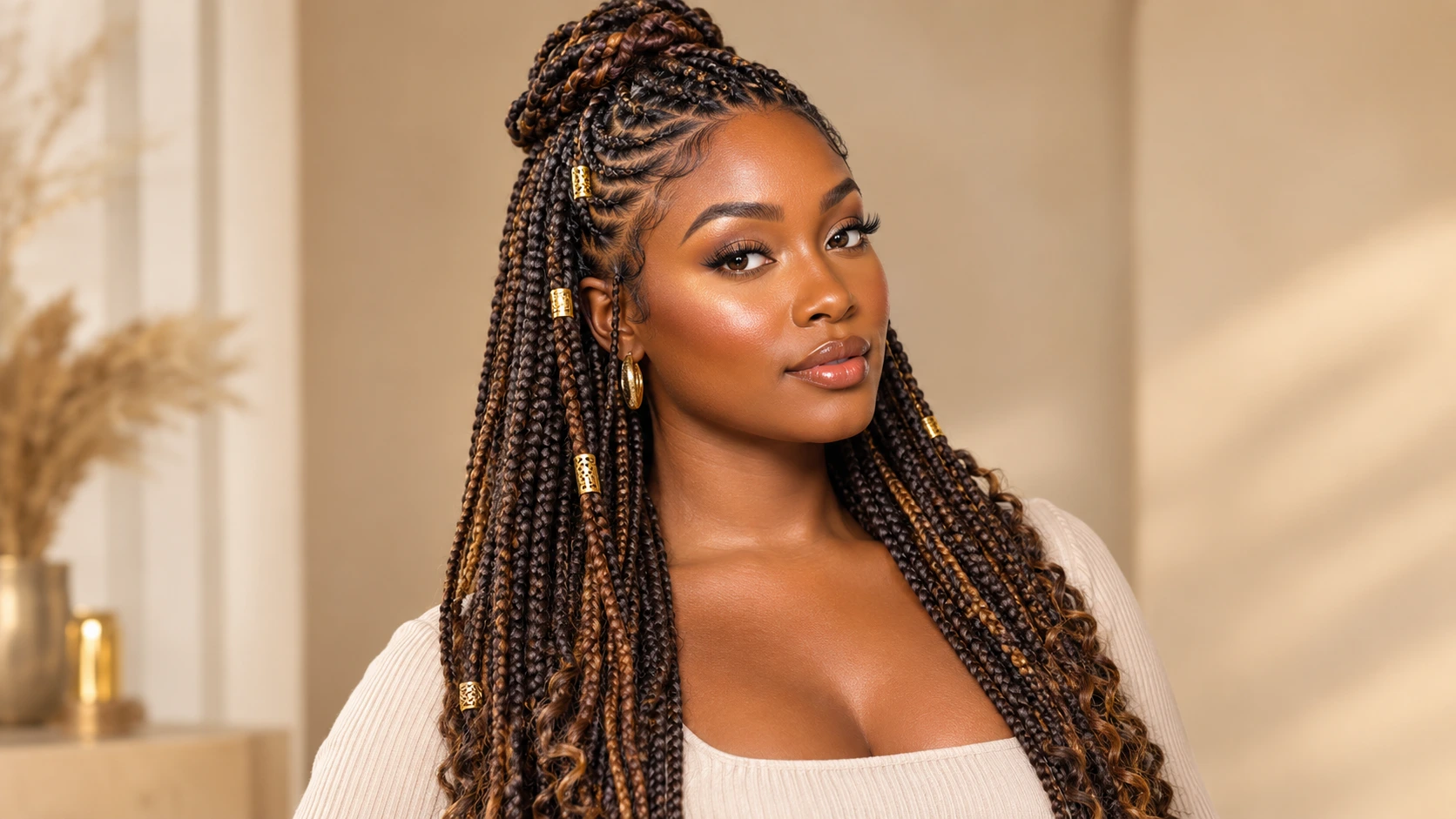
Can we just take a moment to appreciate the sheer versatility of Black hair? From coils to curls, locs to braids, twists to sleekbacks no other hair type offers this many possibilities. And yet, for the longest time, mainstream beauty standards tried to box Black women into one narrow definition of “acceptable” hairstyles. Those days are done. In 2026, Black women are setting the trends, not following them.
Whether you’re rocking your natural texture with pride or switching things up with a protective style, the options right now are more exciting than ever. The beauty industry has finally caught up, and hairstylists across the world are creating looks that celebrate the unique beauty of Black hair rather than trying to tame it. It’s not just about looking good anymore — it’s about feeling seen, represented, and unapologetically yourself.
So if you’re looking for fresh hairstyle inspiration that works for your everyday life without sacrificing style or hair health, you’ve come to the right place. These gorgeous hairstyles are handpicked for Black women who want to redefine what “everyday style” looks like in 2026. Let’s dive in.
1) Knotless Box Braids
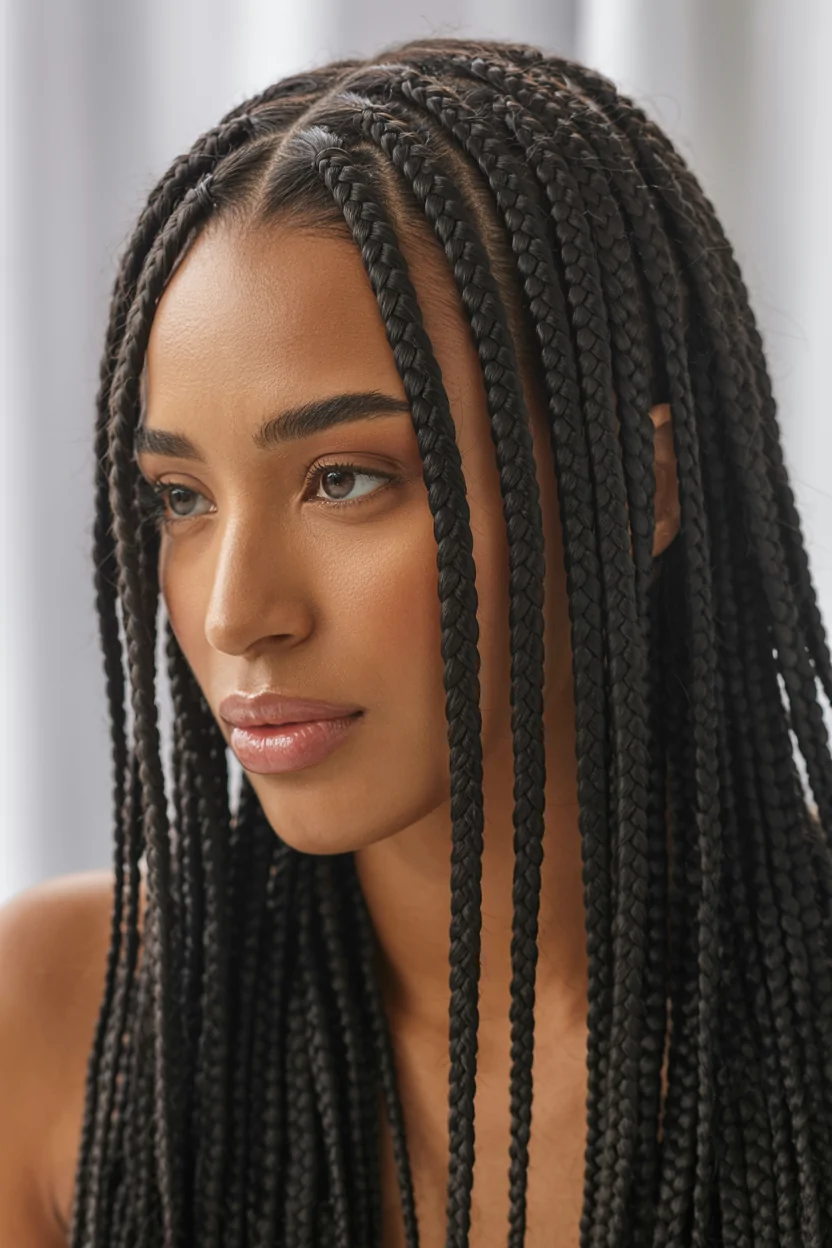
If there’s one hairstyle that has completely taken over the natural hair world in recent years, it’s knotless box braids. And honestly, they deserve every bit of the hype. Unlike traditional box braids that start with a visible knot at the root, knotless braids use a feed-in technique that creates a flat, seamless base. The result is a look that’s lighter on your scalp, more natural in appearance, and incredibly versatile for everyday styling.
Why Knotless Over Traditional Box Braids
The biggest difference comes down to comfort and scalp health. Traditional box braids can pull on your edges and create tension headaches — especially in those first few days after installation. Knotless braids eliminate that problem entirely because the hair is gradually fed into your natural hair rather than being anchored with a tight knot. Your edges stay protected, your scalp breathes easier, and you can actually enjoy the style from day one without wincing every time you move your head.
- Less tension: The feed-in method distributes weight evenly, reducing stress on your hairline and roots
- More natural look: The gradual start at the root mimics the appearance of natural hair growth, making the braids look like they’re growing directly from your scalp
- Lightweight feel: Because there’s no heavy knot at the base, the overall style feels significantly lighter than traditional box braids
Styling Options That Keep Things Fresh
The beauty of knotless box braids is that they’re not a one-look style. You can wear them down for a classic everyday vibe, pull them into a high ponytail for something sleek, or twist them into a bun when you want a more polished appearance. Half-up half-down styles look gorgeous too and take literally two minutes. Want to add some personality? Thread gold cuffs or colored strings through a few braids for a subtle but eye-catching detail.
How Long Do They Last
With proper care, knotless box braids can last anywhere from four to eight weeks. The key is nighttime maintenance — always wrap them in a satin scarf or sleep on a satin pillowcase to reduce frizz and keep the braids looking fresh. A lightweight oil or braid spray on your scalp every few days prevents dryness and itching. And here’s a tip a lot of people skip — don’t keep them in past their lifespan just because they still look decent. Overstaying protective styles can cause matting and breakage underneath, which defeats the whole purpose.
Personal Recommendation
If you’re new to braids or have a sensitive scalp, knotless box braids are the best starting point. Medium-length braids that fall around your mid-back are the most manageable and versatile length for everyday wear. For color, don’t be afraid to experiment — warm brown tones, honey blonde highlights, or even burgundy tips can completely transform the look without any commitment to permanent color on your natural hair. It’s all about having fun with it while keeping your real hair safe underneath.
2) Sleek Tapered Pixie Cut
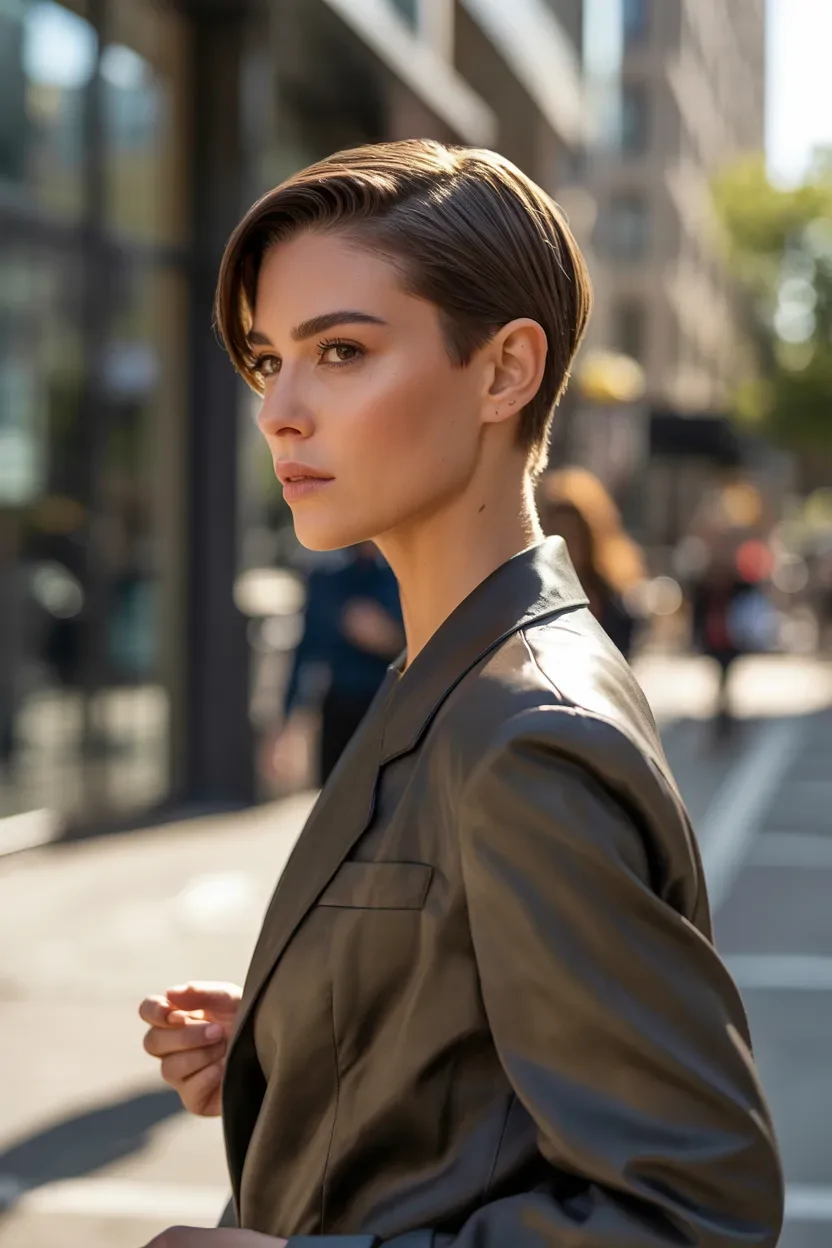
Sometimes the boldest move you can make is cutting it all off. A sleek tapered pixie cut on Black women is nothing short of iconic. It puts your facial features front and center — your cheekbones, your jawline, your eyes — everything gets the spotlight it deserves. This hairstyle isn’t just a haircut, it’s a whole confidence shift.
What Makes the Tapered Pixie Special
The magic is in the taper. The sides and back are cut close and gradually blend into slightly longer hair on top. This creates structure and dimension that flatters almost every face shape. Unlike a basic buzz cut, the tapered pixie gives you enough length on top to play with texture, direction, and even finger waves if you’re feeling fancy. It’s short hair with endless personality.
- Maintenance level: Low to medium — regular trims every three to four weeks keep the shape clean
- Styling time: Five minutes or less on most days, which makes it perfect for busy mornings
- Works with all textures: Whether your natural hair is coily, curly, or relaxed, the taper adapts beautifully
How to Style It Daily
A small amount of edge control or styling gel is all you need to define the top section and keep everything polished. For a more textured, lived-in look, just apply a light moisturizer and let your natural curl pattern do its thing. Want drama for a night out? Slick the top section to one side with a strong-hold gel for that old Hollywood glam effect.
Personal Recommendation
This cut is a game-changer for women who want maximum impact with minimal effort. My honest advice — find a barber or stylist who specializes in tapered cuts for Black hair because precision matters here. A good taper can make or break the entire look. And don’t shy away from adding a subtle color — a deep copper or platinum blonde on the top section creates a striking contrast that turns heads everywhere you go.
3) Ombre Locs
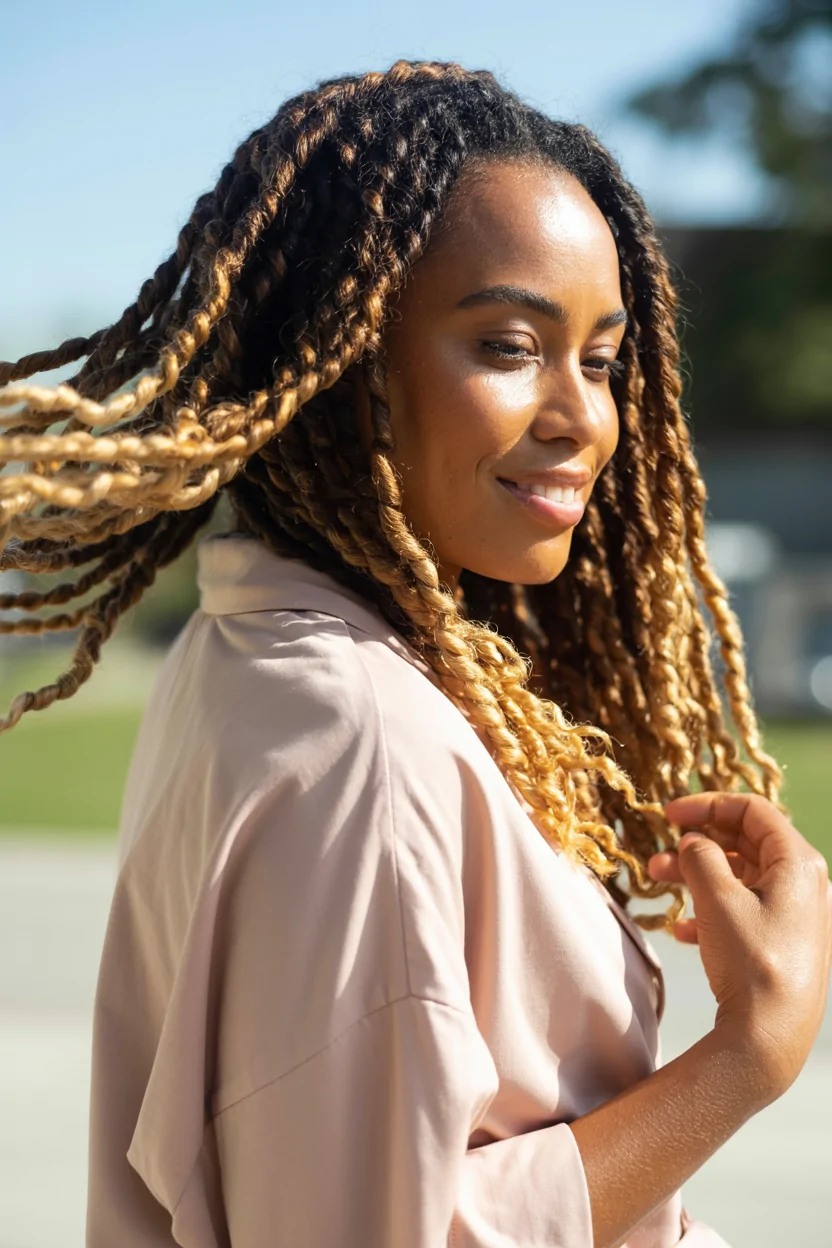
Want the beauty of locs with a modern twist? Ombre locs give you exactly that. The gradual color transition from dark roots to lighter ends adds depth and movement that makes the style look almost artistic. It’s a look that feels both rooted in tradition and completely fresh at the same time.
Why Ombre Changes the Whole Game
Locs on their own are already stunning. But adding an ombre effect takes them to a completely different level. The color gradation creates an illusion of dimension and length that solid-colored locs simply can’t achieve. Dark brown melting into caramel, black fading into burgundy, or deep auburn transitioning into honey blonde — each combination tells a different story and sets a completely different mood.
- Color pairings that work: Black to honey blonde is the most popular, but dark brown to copper and burgundy to rose gold are trending hard in 2026
- Placement matters: The color transition should start around chin level or lower for the most natural and flattering effect
- Faux locs option: If you’re not ready to commit to permanent locs, faux ombre locs give you the same visual impact as a temporary protective style
Caring for Ombre Locs
Color-treated locs need a little extra love. A sulfate-free shampoo is non-negotiable because harsh cleansers strip color faster than anything else. Regular oil treatments keep both the locs and your scalp hydrated, especially at the lighter ends where the hair tends to be drier. A light leave-in conditioner spray every few days keeps things soft without buildup.
Personal Recommendation
If you want ombre locs without damaging your natural hair, faux locs with pre-colored extensions are the smartest route. You get full control over the color placement and zero chemical processing on your real hair. For everyday styling, wear them loose one day and gather them into a high bun the next — the ombre effect looks completely different in each style, which basically gives you two looks in one.
4) Fulani Braids with Beads

Few hairstyles carry as much cultural richness and visual beauty as Fulani braids. Originating from the Fulani people of West Africa, this style features a distinctive pattern — a central cornrow running down the middle of the head with thinner braids on the sides, often adorned with beads, cowrie shells, or gold cuffs. It’s a hairstyle that honors heritage while looking absolutely stunning in any modern setting.
What Makes Fulani Braids Stand Out
The signature center braid immediately sets this style apart from regular cornrows or box braids. The combination of cornrowed sections and hanging braids creates a beautiful contrast of structure and flow. And then the beads come in — that’s where the real magic happens. Every bead placement adds rhythm and movement to the style, creating soft clicking sounds when you move that are honestly kind of addictive.
- Bead options: Wooden beads give an earthy, traditional feel while gold and silver cuffs lean more contemporary
- Pattern variations: Some styles include a braided pattern along the hairline or thin side braids that frame the face beautifully
- Length flexibility: Works on medium to long hair, and extensions can be added for extra length and fullness
Everyday Wearability
That’s the best part — Fulani braids aren’t just a special occasion style. They work perfectly for daily wear because the braids are lightweight and the pattern keeps hair neatly secured. No constant styling needed. You wake up, maybe adjust a few beads, and you’re ready. For a more polished look, simply gather the loose braids into a low ponytail and let the beaded front sections frame your face.
Personal Recommendation
Go easy on the bead count your first time — a few well-placed beads on the front braids create more impact than loading every single braid. Clear or gold beads are the most versatile and complement every skin tone beautifully. And always ask your stylist to keep the cornrow tension gentle, especially around the hairline. The style should feel comfortable from the moment you leave the chair.
5) Sculpted Gravity-Defying Braids

This is where hairstyling becomes actual art. Sculpted gravity-defying braids are those jaw-dropping, architectural styles that look like they shouldn’t even be physically possible. Braids that spiral upward, loop into geometric shapes, or twist into structures that literally defy gravity — this trend has been dominating social media in 2026 and for very good reason. It’s bold, it’s creative, and it’s a powerful celebration of what Black hair can do.
Why This Trend Is Taking Over
Black women have always pushed the boundaries of hair artistry, and gravity-defying braids are the latest evolution of that legacy. These aren’t your everyday protective styles — they’re statement pieces. Think braids sculpted into high-rising ponytails that curve mid-air, or cornrow patterns that create optical illusions on the scalp. Every style is custom, every design is unique, and every single one demands attention the moment you walk into a room.
- Popular shapes: Spiral towers, looped crowns, figure-eight formations, and braided bows are trending heavily right now
- Installation time: These styles typically take longer than traditional braids — anywhere from four to eight hours depending on complexity
- Best occasions: Special events, photo shoots, concerts, or honestly any day you want to feel like a walking masterpiece
Can You Wear This Daily
Let’s be real — most gravity-defying styles are designed for shorter wear rather than everyday use. The structural elements can be delicate, and sleeping in them comfortably isn’t always practical. However, toned-down versions exist that give you that sculpted effect without the full architectural commitment. A braided high ponytail with a looped base or a twisted updo with geometric partings captures the same energy in a more wearable way.
Personal Recommendation
If you’ve ever wanted to try this style, find a braider who specializes in creative and sculptural work — their portfolio should speak for itself. Save reference photos beforehand and discuss the structure with your stylist so your hair type and length can support the design. And most importantly, document it. Get the photos taken from every angle because this kind of hairstyle deserves to be remembered.
6) Natural Twist Out
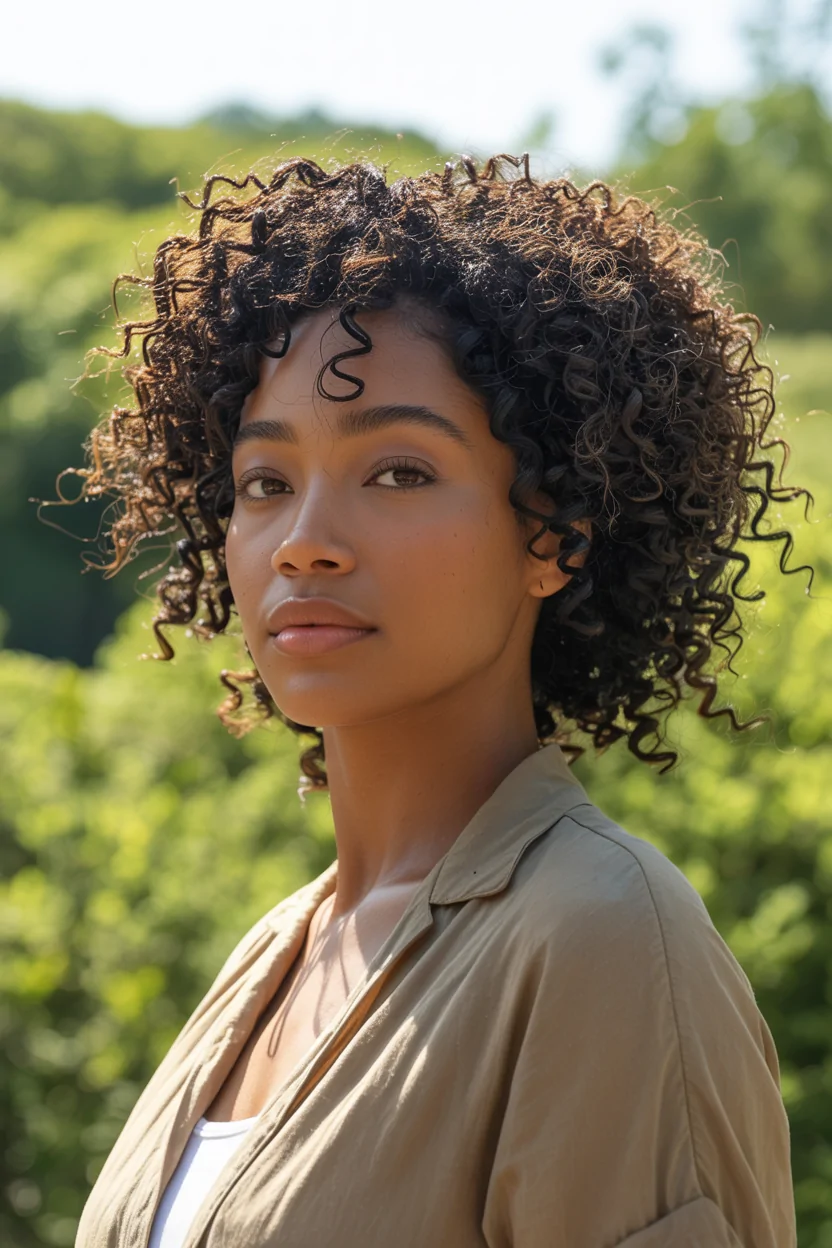
Sometimes the most beautiful hairstyle is the one that lets your natural texture shine with zero apologies. A twist out is the ultimate celebration of what your hair does naturally — defined curls, volume, and bounce that no heat tool or extension can replicate. It’s simple, it’s timeless, and it never goes out of style no matter what year it is.
What Exactly Is a Twist Out
The concept is beautifully simple. You section your damp hair, apply a styling product, twist each section into two-strand twists, let them set, and then unravel. What you’re left with is a gorgeous pattern of defined, elongated curls with incredible volume. The twist creates structure while your natural texture provides the movement. It’s your hair — just elevated.
- Best for: Type 3 and type 4 hair textures, though the results look different and equally beautiful on each
- Setting time: Overnight gives the best definition, but a few hours under a hooded dryer works too
- Product essentials: A good leave-in conditioner, a curl cream or butter for moisture, and a lightweight oil to seal everything in
Making It Last More Than One Day
The biggest challenge with twist outs is maintaining the definition beyond day one. Here’s the trick — pineapple your hair at night by loosely gathering it at the top of your head with a satin scrunchie, then cover it with a satin bonnet. In the morning, shake it out gently and fluff at the roots. Day two and three twist outs actually tend to look even better because the curls relax slightly and the volume increases naturally.
Personal Recommendation
The products you use make or break a twist out. Skip anything with heavy silicones or mineral oil — they weigh your curls down and create buildup over time. A water-based leave-in paired with a shea butter curl cream is a combination that works for most textures. And here’s the real secret — don’t touch your hair while it’s drying. The more you manipulate it before it’s fully set, the more frizz you’ll create. Patience is literally the best styling tool you own.
7) Angled Bob Cut
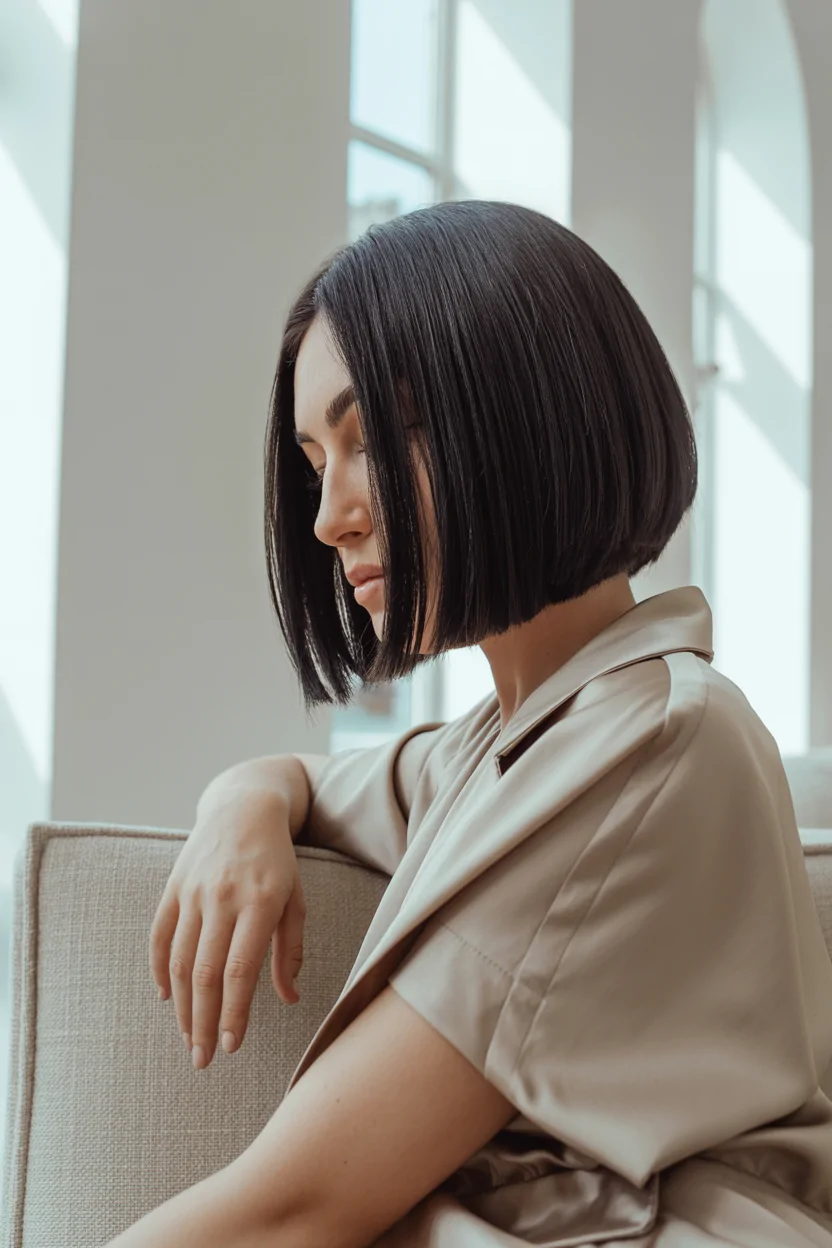
There’s a reason the angled bob never disappears from the style conversation — it just works. Shorter in the back and gradually longer toward the front, this cut frames the face in the most flattering way possible. On Black women especially, an angled bob creates a sharp, polished silhouette that looks equally powerful in a boardroom and at a weekend brunch.
After measuring, compare the results and observe your jawline and forehead shape. This will help determine which category fits best.
Caring for Natural Hair
Let’s talk about something every natural hair queen knows deep down but sometimes forgets — your hair is literally craving moisture and gentle love. Natural curls and coils are stunning, but they’re also delicate. Without the right care, dryness and breakage sneak in faster than you’d expect. The good news? Once you nail your routine, your hair rewards you with bounce, shine, and styles that actually last.
Think of it this way — caring for natural hair isn’t a chore. It’s a relationship. And like any good relationship, consistency and attention make all the difference.
Moisturizing Techniques
Here’s the truth nobody tells you early enough — moisture isn’t optional for natural hair. It’s survival. Natural curls and coils have a harder time retaining moisture because of the hair’s spiral structure, which means the natural oils from your scalp struggle to travel down the entire strand. So what happens? Dryness, brittleness, and eventually breakage.
Building a Moisture Routine That Actually Works
The foundation starts right after wash day. A water-based leave-in conditioner applied to damp hair locks in hydration before it escapes. Then comes the sealing step — and this is where a lot of people mess up. You need an oil or butter to seal that moisture in, otherwise it evaporates within hours. Jojoba oil, coconut oil, and shea butter are all fantastic sealants that don’t weigh your hair down.
- Daily refresh: A quick spritz of water or a lightweight moisturizing spray between wash days brings curls back to life instantly
- Weekly deep conditioning: This is non-negotiable — a deep conditioner once a week strengthens your strands and improves elasticity dramatically
- Skip the heavy stuff: Products loaded with silicones and mineral oil create buildup that blocks moisture from even entering your hair shaft
Why Moisture Changes Everything
When your hair is properly hydrated, the difference is visible immediately. Breakage reduces, your scalp feels calmer, and your curl definition goes from “meh” to “wow.” Moisture is the single most important factor in natural hair health — get this right and everything else falls into place.
Protective Styling Tips
Can you love your hair and still give it a break? Absolutely — that’s exactly what protective styles are designed to do. Braids, twists, buns, and updos tuck your ends away and shield your strands from friction, manipulation, and environmental damage. It’s like hitting the pause button on wear and tear while still looking incredible.
How to Protect Without Causing Damage
Here’s the irony a lot of people don’t realize — a protective style can actually cause damage if it’s done wrong. Tight braids that pull on your edges, heavy extensions that strain your roots, or styles left in way too long can do more harm than good. The whole point is protection, not punishment.
- Watch the tension: If your scalp hurts after installation, it’s too tight — period. Your stylist should be able to adjust without compromising the look
- Satin is your best friend: Sleeping on a satin or silk pillowcase, or wrapping your hair in a satin bonnet, prevents friction that causes frizz and breakage overnight
- Timing matters: Keep protective styles in for no longer than six to eight weeks. Beyond that, product buildup and matting underneath can lead to serious damage
Don’t Forget Your Scalp
Just because your hair is tucked away doesn’t mean your scalp stops needing attention. A lightweight oil applied to your scalp every few days prevents dryness and itching. And yes, you still need to cleanse — a diluted shampoo or an apple cider vinegar rinse keeps things fresh without disturbing the style.
Choosing the Right Hairstyle for Your Face Shape
Ever tried a hairstyle that looked absolutely stunning on someone else but just felt off on you? Nine times out of ten, the issue isn’t the hairstyle — it’s the face shape match. Finding a style that complements your natural proportions is one of those small shifts that makes a massive difference. When the hairstyle works with your features instead of against them, everything just clicks.
Identifying Your Face Shape
Before you can pick the perfect hairstyle, you need to know what you’re working with. And figuring out your face shape is simpler than most people think. All you need is a mirror and a few basic measurements.
How to Measure
Grab a soft measuring tape and measure four areas — your forehead width, cheekbone width, jawline width, and face length from hairline to chin. Compare the numbers and observe the overall shape and angles of your face. That’s it.
Common Face Shapes
- Oval: Longer than wide with a balanced forehead and jawline — considered the most versatile shape for hairstyling
- Round: Equal width and length with soft, curved jawlines — styles that add height and elongation work best
- Square: Strong, angular jawline and forehead — needs softening through curls, waves, or asymmetry
- Heart: Wider forehead narrowing to a pointed chin — volume at the chin level creates beautiful balance
- Diamond: Narrow forehead and jawline with prominent cheekbones — fullness at the forehead or chin softens the angles
Hairstyle Recommendations for Each Shape
Now that you know your face shape, let’s match it with styles that actually enhance your features rather than hiding them. And if you’re a Black woman rocking natural hair, the versatility of your texture gives you even more options to play with.
Oval Faces
You basically hit the hairstyle lottery. Most styles work on oval faces, so feel free to experiment. Layers, curls, waves, and updos all complement your balanced proportions beautifully. The only thing to avoid is heavy, flat styles that hide your natural symmetry.
Round Faces
The goal here is creating the illusion of length. Styles that add height on top — like high ponytails, voluminous twist outs, or elongated locs — work incredibly well. Avoid adding too much width at the sides because that emphasizes the roundness rather than balancing it.
Square Faces
Soft curls, waves, and side parts are your best friends. Anything that breaks the sharpness of a strong jawline creates a more harmonious look. Asymmetrical cuts and styles with movement soften those angular lines without hiding your naturally striking bone structure.
Heart Faces
Volume at the chin line is the key. Chin-length bobs, side-swept bangs, and styles that add fullness around the lower half of your face create a gorgeous balance with a wider forehead. Avoid excessive volume on top — it makes the forehead appear even wider.
Diamond Faces
Focus on softening those beautiful cheekbones by adding fullness at the forehead or chin area. Chin-length waves, side parts, and textured layers all work wonderfully. For natural hair, twist outs or braided styles that frame the face bring everything into proportion effortlessly.