New York Fashion Week 2026: Dates, Designers & Unmissable Highlights
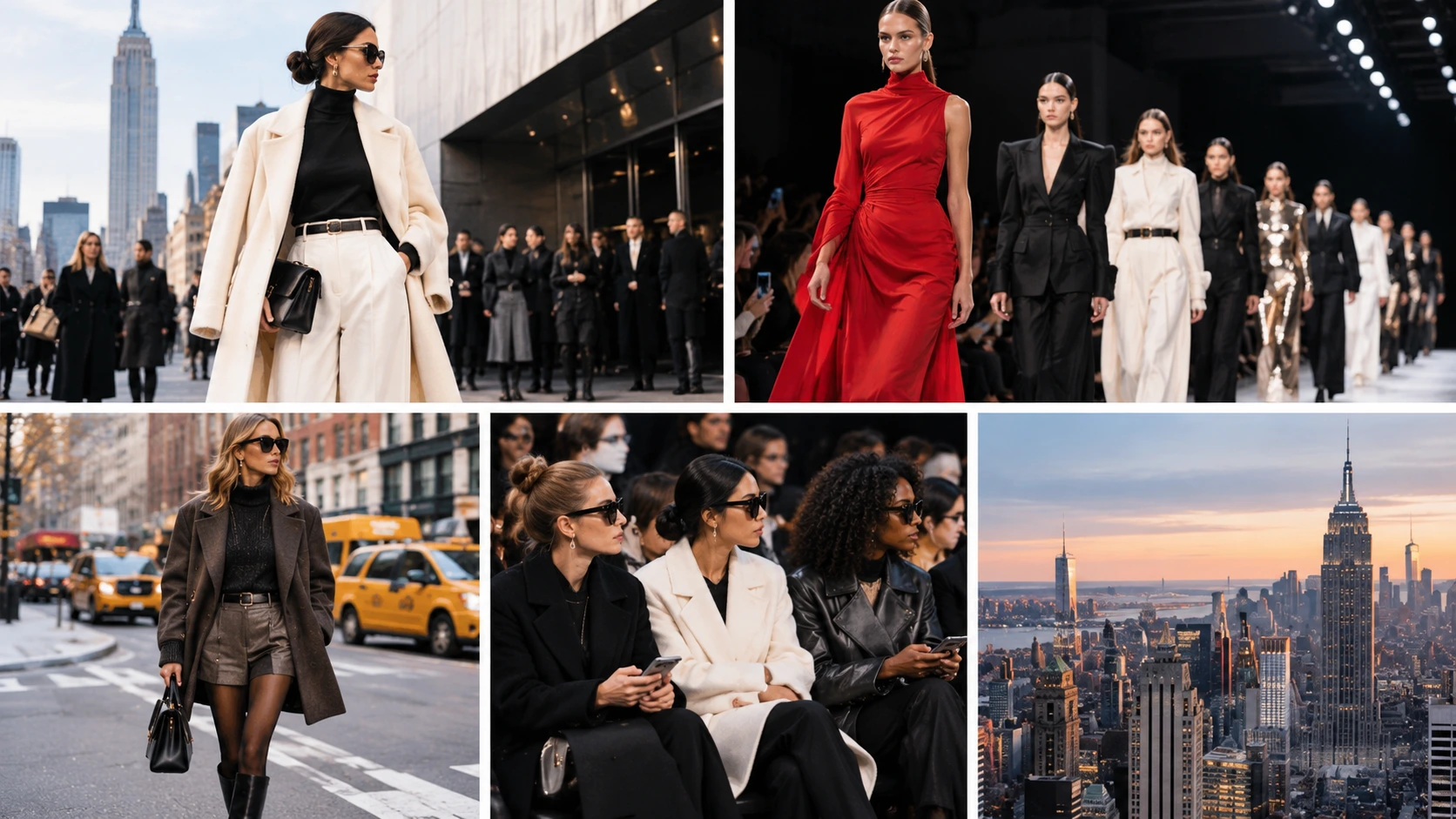
You’ll get the full scoop on New York Fashion Week 2026 and know what matters most before the shows even start. NYFW runs in February and September with core dates set for major shows, and the Spring/Summer 2026 lineup features dozens of designers that shape global trends. This season mixes big names and rising talent, so you can spot what will influence stores and street style next year.
Plan which presentations and runway shows matter to you, and learn simple ways to attend or follow the highlights online. Expect tight scheduling, high energy, and moments that will define the year’s fashion conversation.
Key Takeaways
- NYFW has set core dates and a packed schedule you can plan around.
- Top designers and new voices will shape upcoming fashion trends.
- You can attend in person or follow major shows remotely to stay current.
Essential New York Fashion Week 2026 Dates and Schedule

You will find exact dates, where shows happen, and which edition (February or September) each event belongs to. This section lists the official CFDA calendar highlights, the two main seasonal editions, and key Manhattan venues you should know.
Confirmed NYFW 2026 Calendar Overview
The Council of Fashion Designers of America (CFDA) set the main February run as Feb 11–16, 2026 for Fall/Winter 2026-27 collections. Several designers run off-calendar shows just before the official start; Marc Jacobs and Ralph Lauren staged shows on Feb 9–10. The CFDA also published a preliminary spring schedule for September 11–16, 2026 for Spring/Summer 2027.
Expect a mix of established names and new brands on the official NYFW schedule. The CFDA often lists show times, presentation formats, and venue addresses in its program. Check the CFDA site or the NYFW schedule feed for daily lineups, last-minute changes, and ticketing windows.
February and September Editions Explained
February focuses on Fall/Winter collections and runs mid-month. Shows include runway presentations, brand presentations, and a growing number of hybrid events streamed on fashion week online platforms. February is where many brands debut outerwear, tailoring, and holiday-season looks.
September hosts Spring/Summer collections and mirrors the February cadence in early September. The spring week tends to feature more resort and lightweight looks. Both editions contain CFDA-sanctioned events and independent off-calendar shows; you should verify each show’s status on the official NYFW schedule before planning.
Notable Venue Locations Across Manhattan
Most shows take place across Manhattan neighborhoods: Chelsea, Midtown, the Garment District, and SoHo. Key venues include large performance spaces and converted warehouses that can host full runway productions. Hotels and private showrooms in Midtown and the Upper East Side often host presentations and appointments.
Look for venues such as exhibition halls near Hudson Yards and pop-up spaces in Chelsea Market. Bridal Fashion Week events sometimes coincide or use nearby venues; check the fashion week schedule and bridal calendars separately if you follow wedding-focused designers. Always confirm venue addresses and entry requirements on the CFDA or organizer pages before you go.
Must-See Runway Shows and Featured Designers
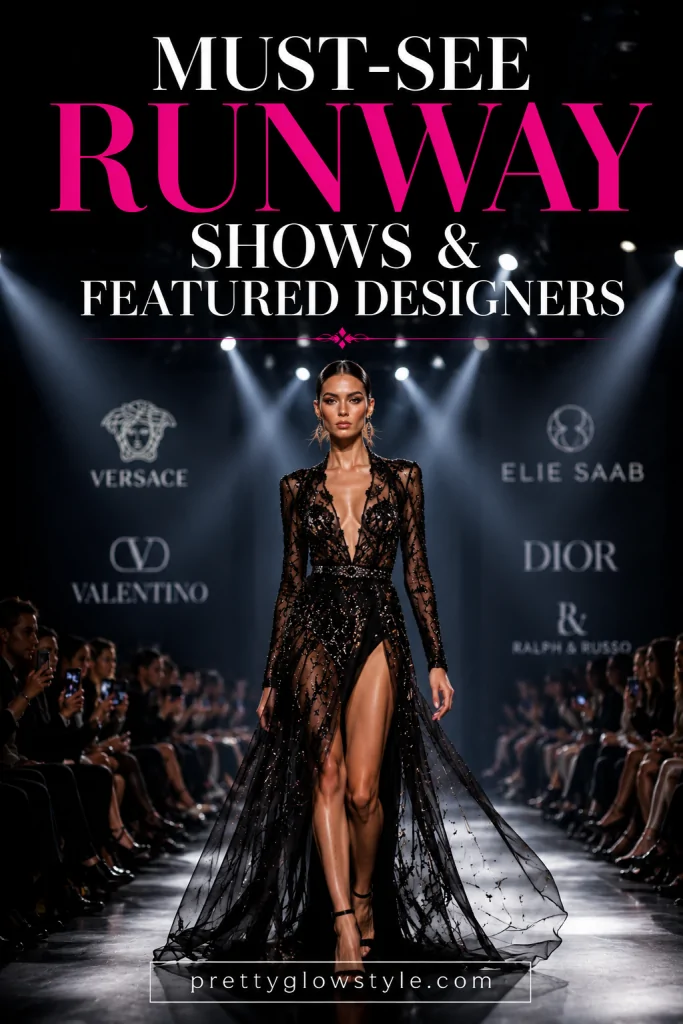
Expect a mix of established labels staging big shows, fresh designer debuts, and a strong crop of emerging brands. Look for heritage houses, ready-to-wear staples, and experimental presentations across Manhattan venues and unconventional spaces.
Major Labels Returning to NYFW 2026
Tory Burch, Altuzarra, Khaite, and Coach all returned with runway shows that focus on wearable luxury and strong commercial direction. Calvin Klein Collection and Lafayette 148 staged city-center presentations that highlighted modern tailoring and clean minimalism for fall/winter 2026–27.
Alexander Wang and Jason Wu kept streetwise and eveningwear energy high, respectively—Wang leaned into sporty layering while Wu emphasized refined gowns and menswear-informed suiting.
Brands known for American glamour—Prabal Gurung, Christian Siriano, and Norma Kamali—used theatrical moments to sell clear trends: bold shoulders, statement outerwear, and strong color blocking. Mass-market-to-luxury names like Toteme and COS offered quieter, trend-forward shows that translate directly to stores.
Influential Designer Debuts and First-Time Presentations
Look for designer debuts that set the conversation each season. Off-White alumni and new creative directors presented capsule collections that fused streetwear codes with couture detailing. Debut presentations from names like Meruert Tolegen and Gabe Gordon drew attention for inventive fabric work and sustainability notes.
Private Policy and Ffôrme used salon-style shows to showcase conceptual work before scaling to full collections. Anna Sui returned with a refreshed bohemian vision, while Ulla Johnson and Collina Strada presented new directional womenswear aimed at editorial buyers and influencers.
Major houses occasionally used NYFW to reveal new collaborators and limited-edition lines. Pay attention to guest designers and joint collections from brands such as Coach x Todd Snyder or Calvin Klein Collection partnerships that may be previewed during the week.
Emerging Talents and Breakout Brands
A strong crop of breakout labels populated presentations and off-calendar shows. Look for Ashlyn, Luar, and Bach Mai, which focused on craft-led pieces and tight storytelling. Simkhai and Monse’s newer iterations leaned into figure-centric tailoring that buyers noticed.
You’ll also see niche names like Diotima, Loveshackfancy, and Maria McManus building dedicated followings through focused social campaigns and showroom appointments. Smaller menswear and hybrid brands—PatBo, Dennis Basso, and Bibhu Mohapatra—used NYFW to court press and wholesale accounts.
Keep an eye on tech-forward and sustainable startups such as Advisry and Sc103; they presented resource-efficient production methods and modular design ideas that buyers flagged for next-season orders.
How to Attend and Make the Most of NYFW 2026
Plan which days you want to attend, choose the right ticket type, and map out venues so you save time and see the shows you care about most.
Ticket Options and Booking Tips
Decide first whether you want front-row access or general admission. VIP and Ultra VIP give assigned premium seating, priority entry, and lounge access. Day passes and GA weekend passes cover multiple shows on set dates and are cheaper than VIP. Individual show tickets work if you only want one designer’s runway.
Book directly from official NYFW pages or trusted producers to avoid scalpers. Check the NYFW schedule early — dates for February 2026 run across key days — and buy tickets as soon as your chosen show posts availability. Use payment plans like Afterpay if offered. Save your QR code to your phone and screenshot it in case of app issues. Add ticket protection if travel or illness could force a cancellation.
Insider Strategies for Planning Your Week
Review the NYFW schedule before you travel and group shows by neighborhood and start time. Prioritize must-see designers, then add backup shows that start at least 30–45 minutes later to avoid overlap. Build in time for check-in, photos, and quick networking between shows.
Wear comfortable, photo-ready shoes and pack a small crossbody bag to clear security quickly. Charge your phone and bring a portable battery. Follow show producers on social media for last-minute venue changes or online streaming options if you can’t attend in person. If you want press-level access, contact PR teams early; otherwise, use public ticket options to join runway events and fashion week online streams.
Navigating Transportation and Venues
Look up each venue address on the NYFW schedule and plan routes between them. Many shows cluster in Manhattan neighborhoods; Gotham Hall and other major sites host multiple sessions. Use rideshares for tight transfers and subways for predictable travel during peak hours.
Arrive 30 minutes early for GA and 45 minutes for VIP to clear security and find seating. Verify camera policies at each venue — some designers limit professional equipment. If a show offers online streaming, save the link as a backup. Keep a printed or offline copy of your schedule and maps in case your phone battery dies.
New York Fashion Week’s Role in the Global Fashion Calendar
NYFW anchors seasonal buying cycles and media attention each February and September. It sends clear commercial signals to retailers, shapes street style coverage, and often launches designers into wider international calendars.
NYFW Compared to London, Milan, and Paris Fashion Weeks
You’ll find NYFW more focused on ready-to-wear that sells in U.S. stores. Shows from labels like Proenza Schouler or Tory Burch aim directly at buyers and press, while London Fashion Week (LFW) highlights experimental and emerging designers who push concept and craft.
Milan centers on luxury houses and strong production values, giving you polished, brand-driven statements from legacy names. Paris combines haute couture week drama with high fashion creativity; it sets artistic tone and luxury desirability that trickles back to buyers.
Global fashion weeks now share schedules and talent, but NYFW’s mix of commerce, celebrity, and media reach makes it the main U.S. gateway for designers moving into Milan or Paris. You’ll also notice Copenhagen Fashion Week influencing sustainability and tailoring trends that NYFW increasingly reflects.
Influence on Trends for 2026 and Beyond
You’ll see NYFW 2026 push wearable outerwear, elevated basics, and digitally staged shows that blend physical runways with livestreams. These choices directly affect what retailers stock for Fall/Winter 2026–27 and which items get front-page coverage.
Designers showing in New York often translate runway pieces into accessible price points. That drives quick adoption across U.S. and global retail. Expect trend echoes from Copenhagen’s sustainability focus and London’s experimental silhouettes to appear in NYFW collections, while Paris and Milan continue to set luxury color and fabric directions.