10 Prettiest Hair Highlight Ideas for Summer 2026 to Transform Your Look
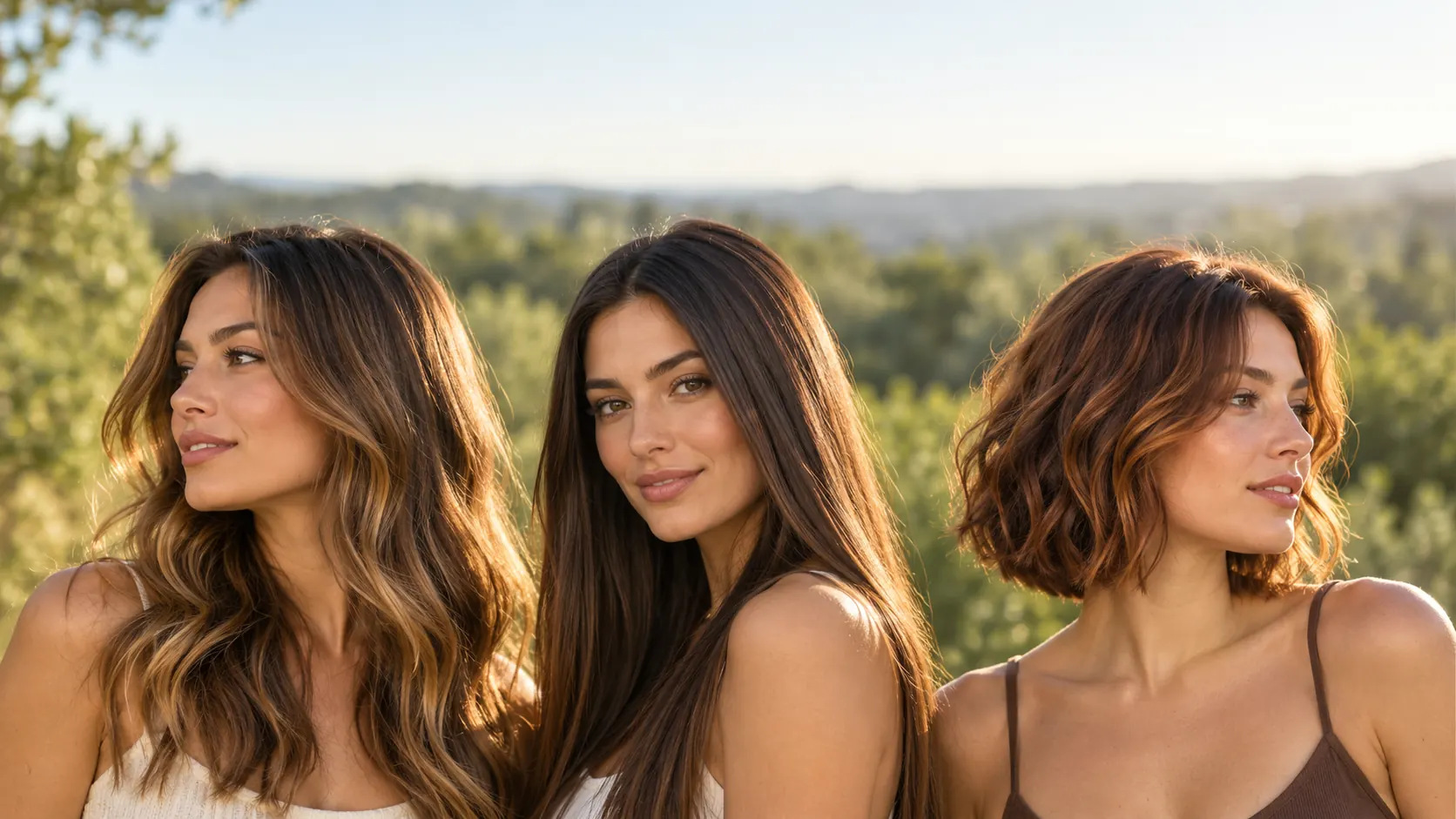
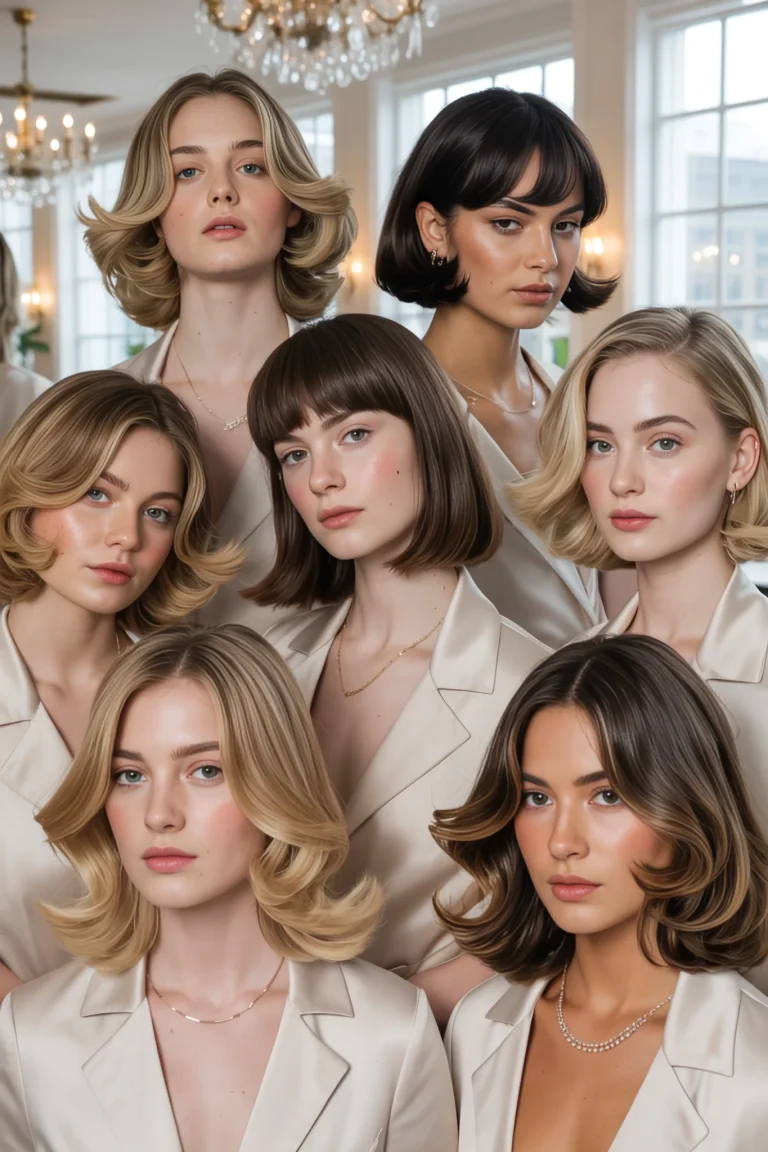
Why does the same highlight technique look completely different on two people sitting in the same salon chair? Hair highlight ideas for summer 2026 have moved far past the one-size-fits-all blonde streak era, and the options available now are more customized, dimensional, and natural-looking than anything from even two years ago.
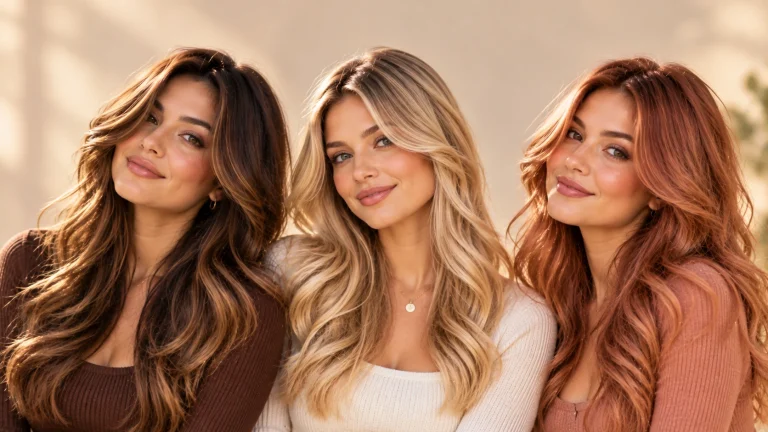
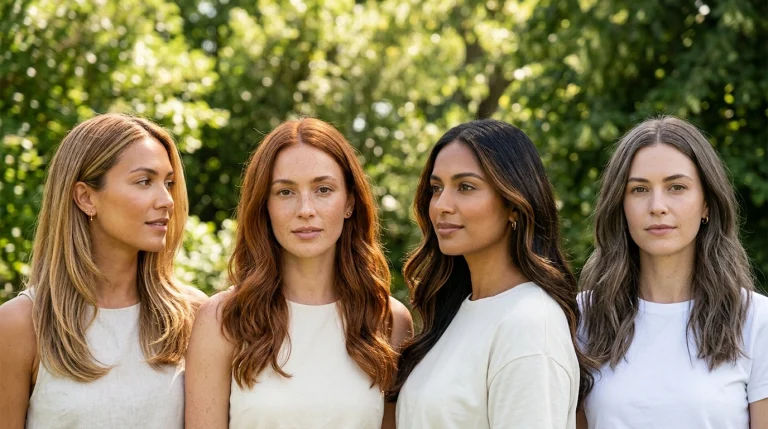
The shift this season is toward highlights that mimic what the sun would do to your hair if you spent a month on the Mediterranean coast. Colorists are using placement techniques that create depth rather than uniform lightness, which means highlights work on brunettes, redheads, and dark-haired women just as well as blondes. Whether you want something subtle enough for a corporate environment or bold enough to turn heads at a rooftop party, these ten ideas cover the full range. This summer hair color guide is also worth browsing if you are considering a full color change alongside your highlights.
Sun-Kissed Balayage Highlights

Balayage remains the most requested highlight technique globally, and the summer 2026 version leans warmer and softer than previous years. Colorists hand-paint lighter tones from the mid-shaft down, concentrating brightness around the face and ends.
The result mimics natural sun exposure so convincingly that most people cannot tell whether the color came from a salon or a beach vacation. This technique requires a skilled colorist because the freehand application means no two results are identical. A detailed balayage guide explains the process, pricing, and what to expect during your appointment.
Why it works for summer: The grow-out is virtually invisible because balayage starts away from the root. Summer heat and sun exposure gradually lighten the highlights further, enhancing the effect rather than fighting it. Touch-ups happen every 12 to 16 weeks instead of monthly.
- Best for: Medium to dark brown base colors
- Technique: Freehand painting
- Maintenance: Low
- Skin tone: Warm and neutral undertones
Honey Blonde Face-Framing Highlights
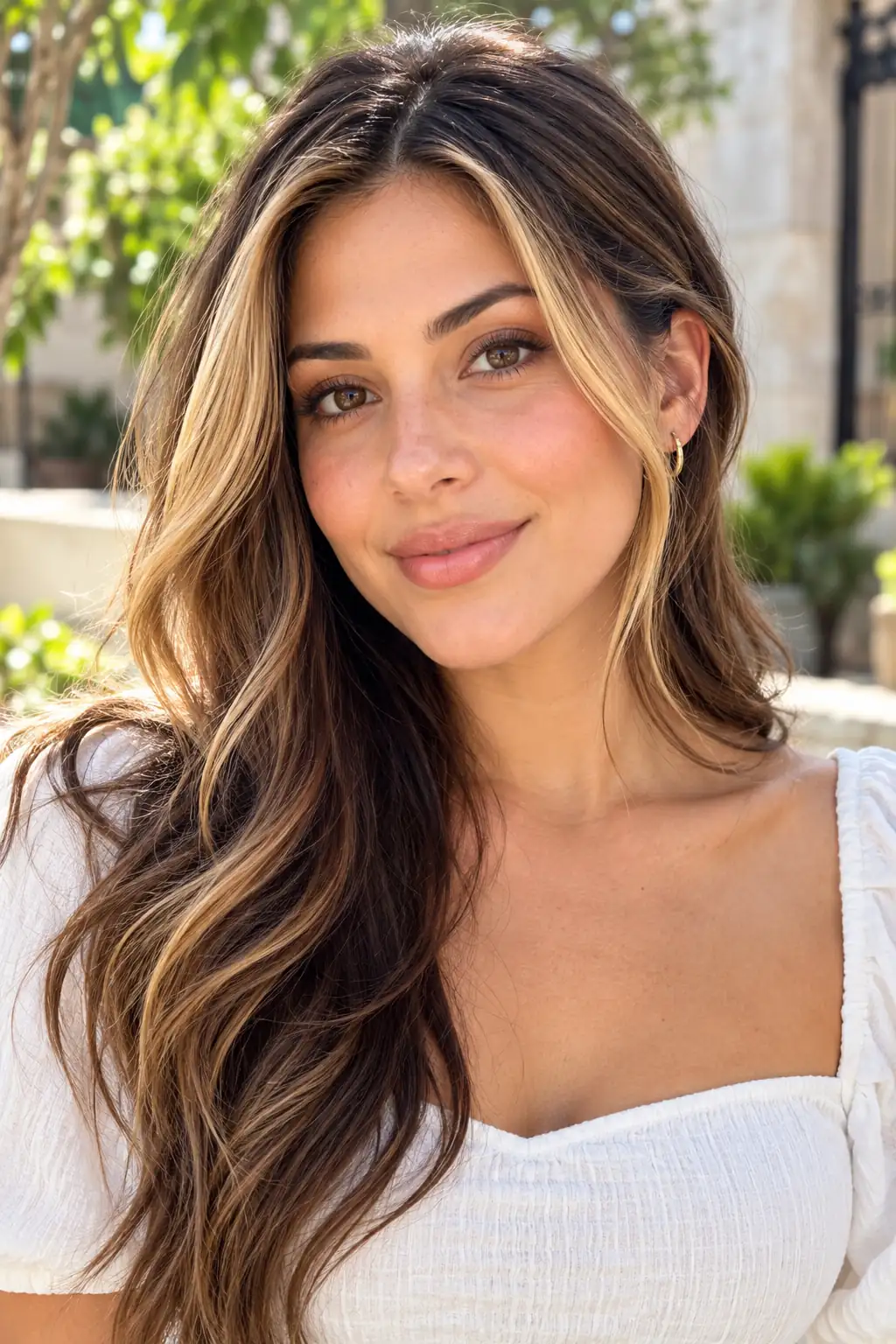
Face-framing highlights (sometimes called “money pieces”) place the lightest color around the hairline, temples, and front layers only. Honey blonde is the shade of choice for summer 2026 because it flatters the widest range of base colors.
This technique is ideal for women testing highlights for the first time because the commitment is minimal and the impact is immediate. The warmth of honey blonde catches light in a way that brightens the complexion, making skin look healthier and more rested. These pair particularly well with the hair color trends dominating 2026 salons right now.
Why it works for summer: Face-framing pieces sit exactly where sunlight naturally hits your hair, so the color looks effortless and sun-given. They also photograph well in natural outdoor lighting, which matters during a season packed with events and travel.
- Best for: All base colors from dark blonde to black
- Technique: Foil or balayage on front sections only
- Maintenance: Low to medium
- Skin tone: All undertones (adjust shade warmth accordingly)
Did You Know: Face-framing highlights originated in 1990s Hollywood when colorist Tracey Cunningham began painting lighter pieces around celebrities’ faces specifically to catch studio lighting during close-up shots.
Caramel Ribbons on Brunette Hair
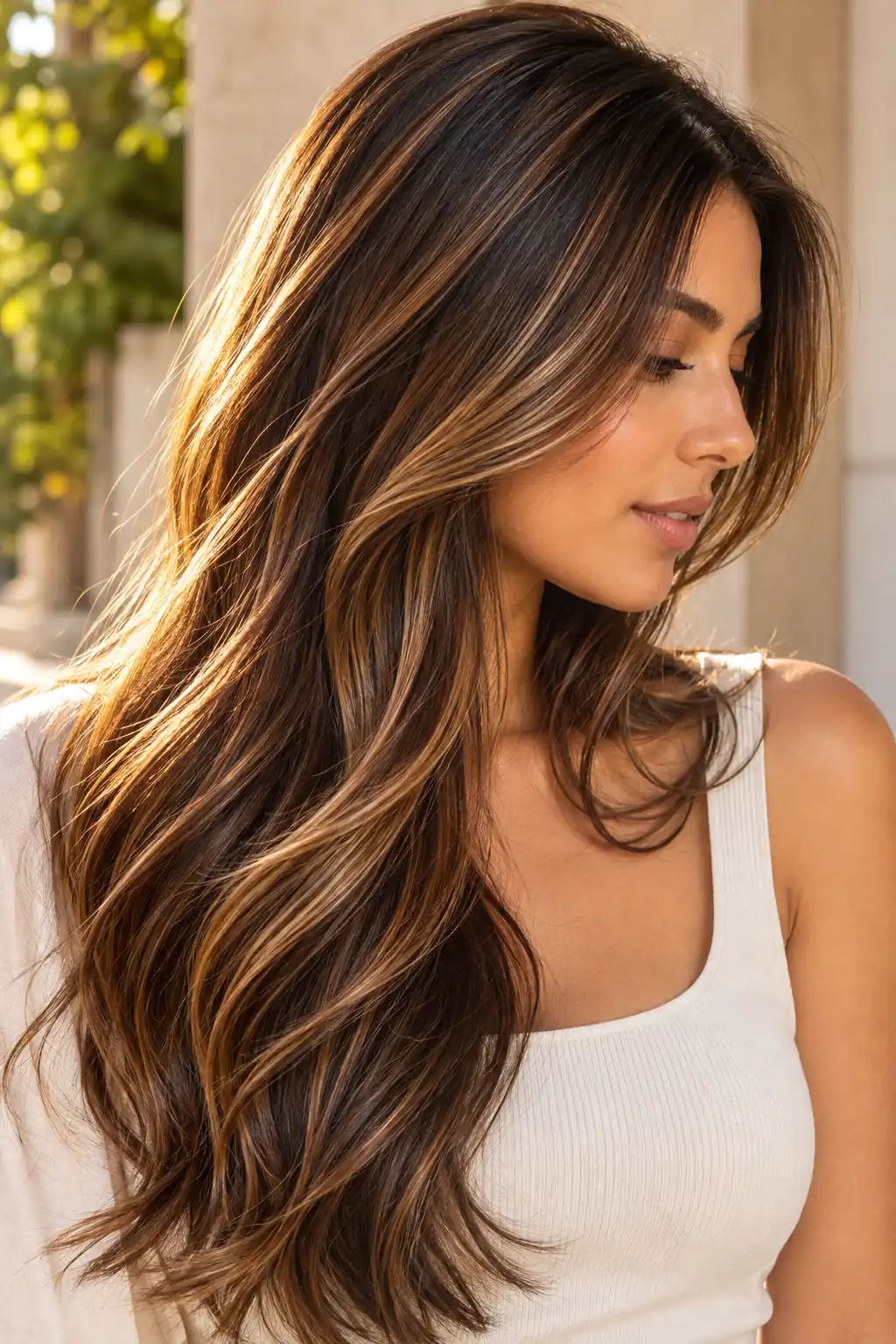
Caramel highlights weave warm, golden-brown tones through brunette hair in thin, ribbon-like sections that add movement and dimension without changing the overall color dramatically. The effect is rich, glossy, and unmistakably luxe.
This shade sits in the sweet spot between blonde and brown, making it the safest highlight choice for brunettes who want visible change but not a drastic departure from their natural color. It works across all lengths, from bobs to waist-length hair, and pairs well with warm brown color palettes that enhance rather than fight the base tone.
Why it works for summer: Caramel tones deepen and warm in sunlight, gaining richness throughout the season instead of washing out. The ribbons create a “lit from within” effect that looks polished whether hair is worn straight, curly, or pulled back in a ponytail.
- Best for: Medium to dark brunette base colors
- Technique: Fine foil highlights
- Maintenance: Medium; toner refresh every 8 weeks
- Skin tone: Warm and olive undertones
Platinum Micro Highlights
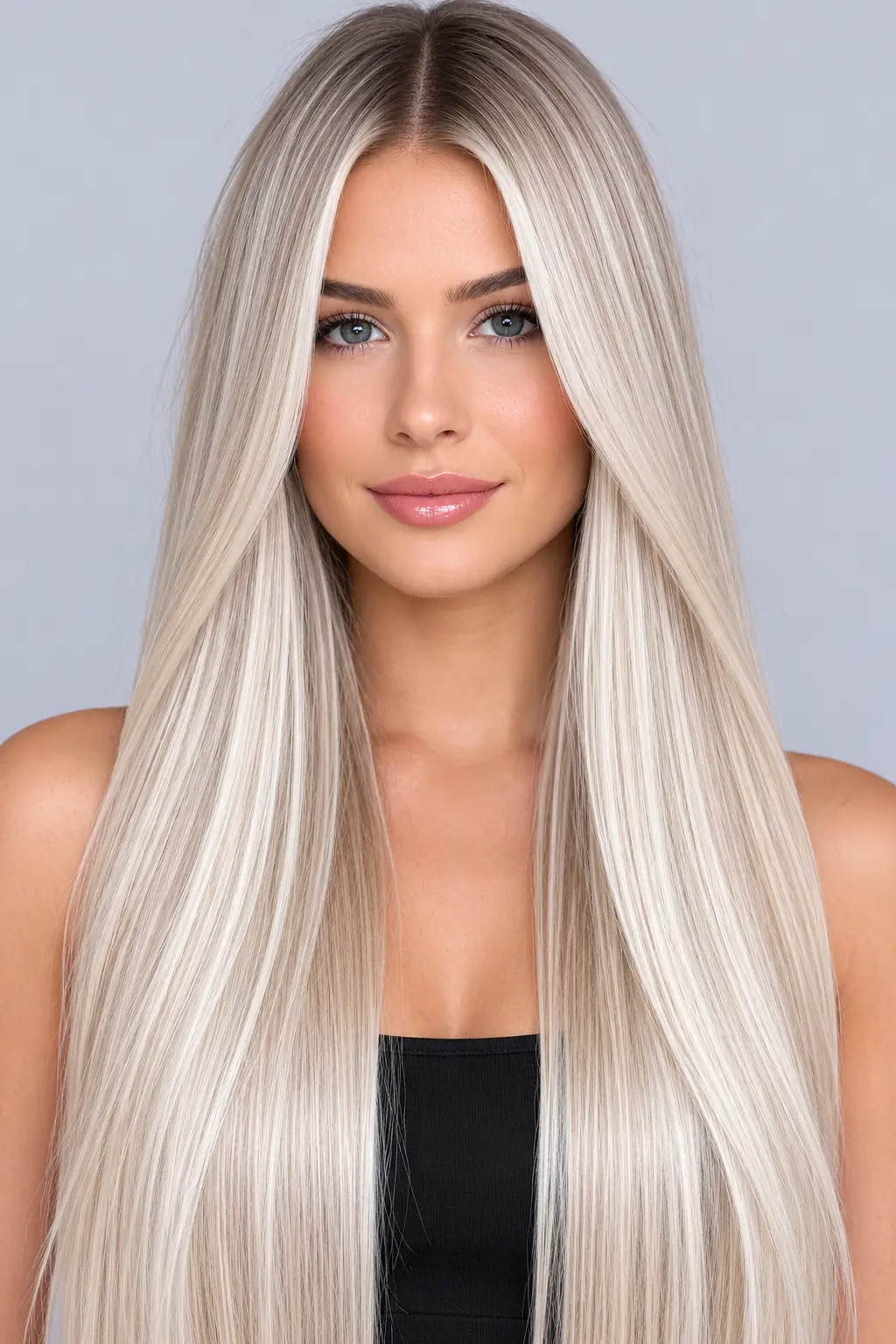
Micro highlights use extremely thin foil sections (sometimes called “slices”) to weave icy platinum throughout the hair without creating chunky streaks. The result reads as an overall brightened blonde rather than visible individual highlights.
This technique requires the most skill and time in the chair, often taking three to four hours for a full head. The payoff is a seamless, dimensional blonde that avoids the flat, one-note look of single-process platinum. It works best when combined with a seasonal hair color strategy that adjusts toning between warm and cool months.
Why it works for summer: Platinum catches summer light dramatically, creating a reflective, almost metallic finish that looks striking in photos and in person. The micro placement means regrowth blends naturally rather than showing a harsh line at the root.
- Best for: Light to medium blonde base colors
- Technique: Ultra-fine foil slices
- Maintenance: High; toning every 4 to 6 weeks
- Skin tone: Cool and neutral undertones
Pro Tip: Ask your colorist for a shadow root when getting platinum micro highlights. A shadow root darkens the top half-inch of hair slightly, which eliminates the “helmet blonde” effect and extends time between appointments by four to six weeks.
Copper and Auburn Dimensional Highlights
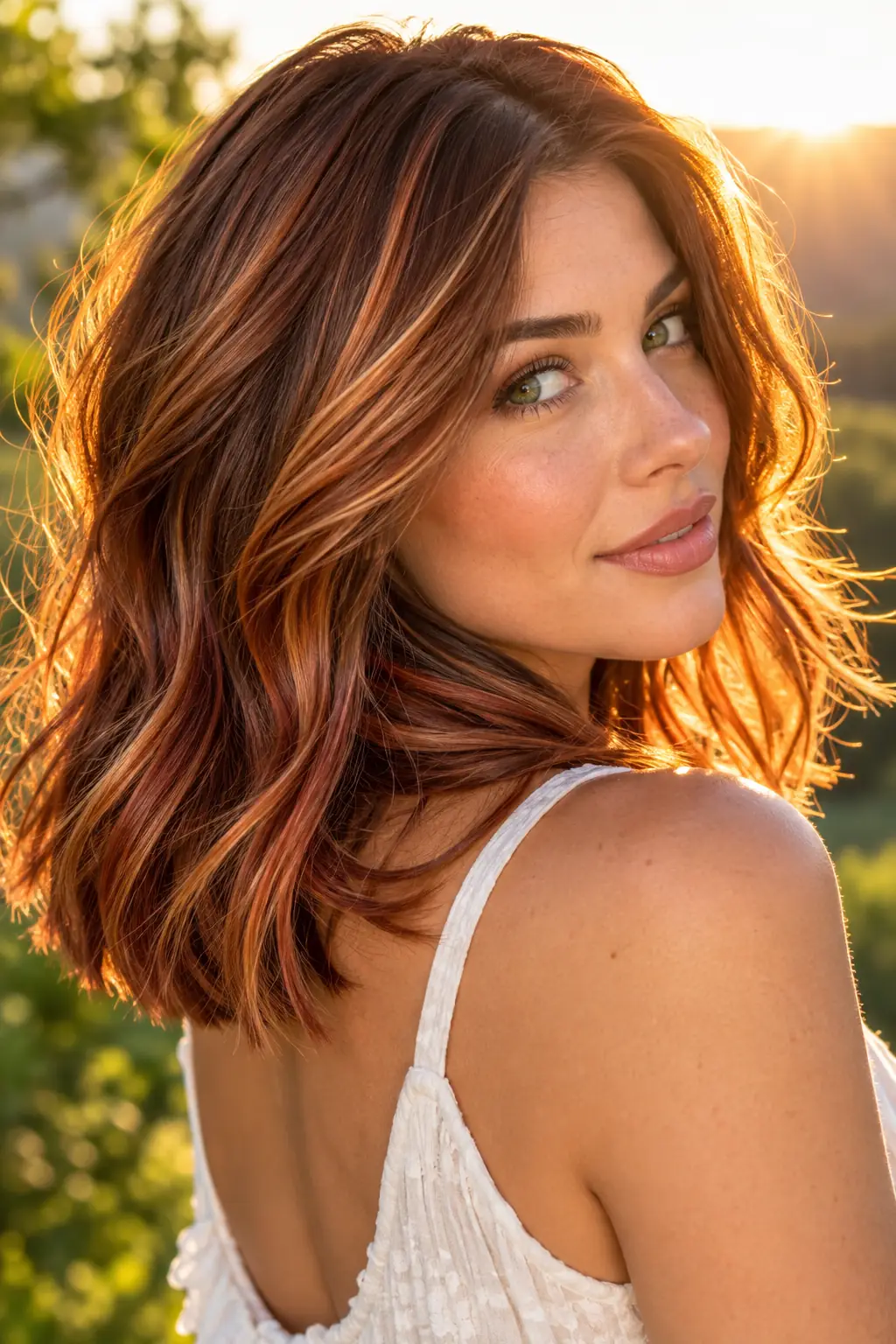
Copper is the color story of 2026, and auburn-toned highlights bring that warmth into brunette and dark blonde hair without committing to a full copper transformation. The mix of warm red and golden brown tones creates depth that reads vibrant without being extreme.
These highlights suit women who want something more distinctive than traditional blonde options. Copper and auburn dimensions look especially striking on women with green, hazel, or warm brown eyes because the tones amplify each other. This shade also works on shorter styles and summer-friendly cuts where every strand is visible.
Why it works for summer: Warm tones glow in golden-hour lighting, which is peak summer photography time. The dimensional placement prevents the color from reading flat, and copper highlights fade gracefully into a softer strawberry tone over weeks rather than turning brassy.
- Best for: Dark blonde to medium brown base colors
- Technique: Foil or balayage with warm-toned lightener
- Maintenance: Medium; copper fades faster than blonde
- Skin tone: Warm, olive, and neutral undertones
Champagne Blonde Highlights

Sitting right between warm gold and cool platinum, champagne blonde occupies the most universally flattering highlight territory. The tone carries a soft, pearlescent quality that avoids looking either brassy or ashy.
Champagne highlights blend particularly well on hair that already has some natural warmth but needs a cooler, more refined finish. Colorists typically mix two to three tones within the champagne family to create variation that prevents flatness. This shade pairs well with the lived-in, effortlessly styled hair color trends that have defined salon requests all year.
Why it works for summer: The neutral tone holds up well against both warm and cool seasonal wardrobes, meaning your hair does not clash with anything you wear. Champagne blonde also resists the yellow brassiness that humid climates often pull out of lighter highlights.
- Best for: Light to medium brown and dark blonde bases
- Technique: Babylights or fine foils
- Maintenance: Medium; purple shampoo once a week maintains tone
- Skin tone: All undertones
Warning: Over-toning champagne highlights with purple shampoo more than twice a week deposits excess violet pigment that turns the blonde muddy and grey. Use purple shampoo strictly once a week (twice maximum) and leave it on for no longer than three minutes per wash.
Chocolate and Toffee Lowlight-Highlight Mix
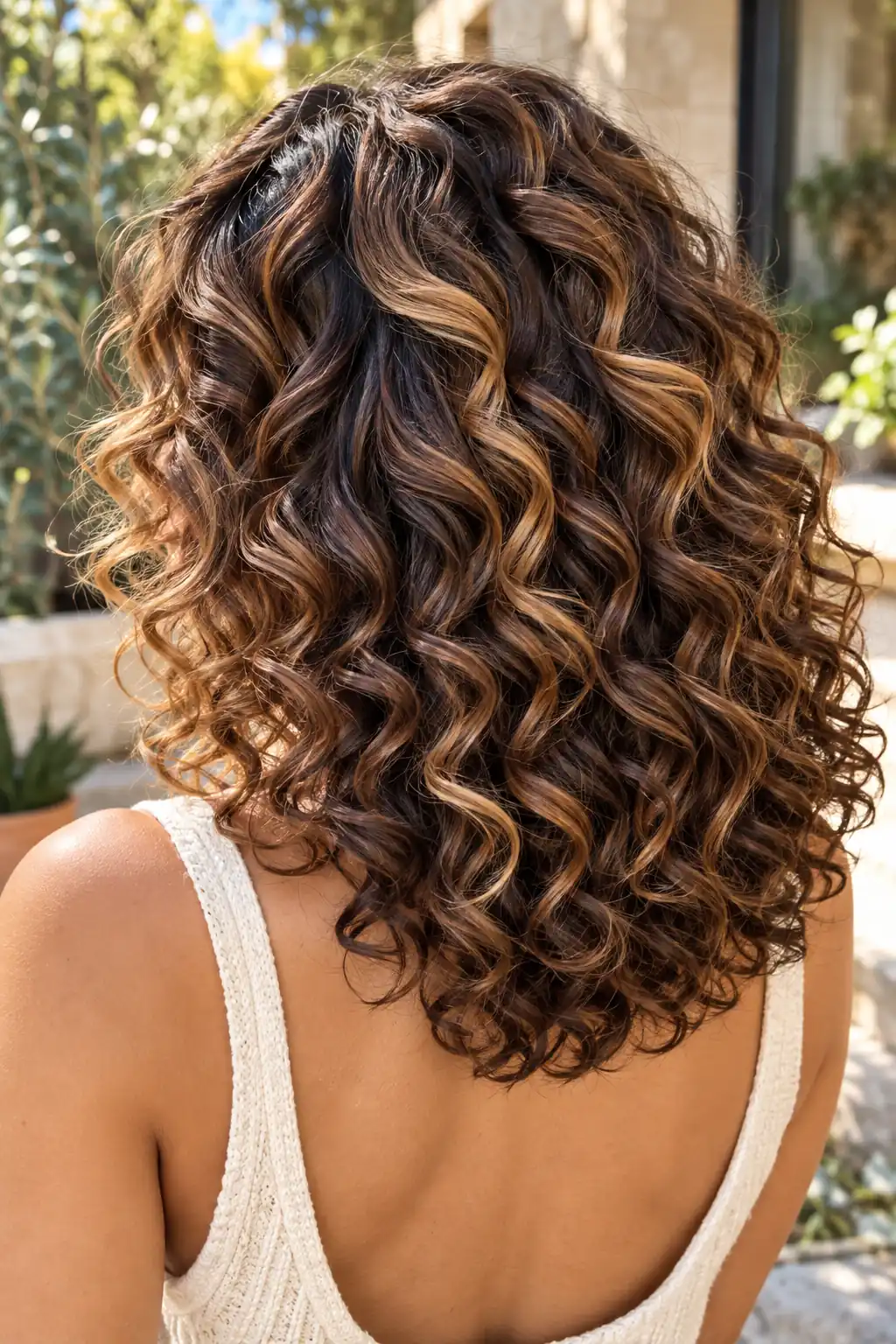
Mixing lowlights with highlights creates the most natural-looking dimension available. Chocolate tones deepen the base while toffee ribbons lift it, resulting in a multi-tonal effect that mimics the complexity of virgin hair with better color control.
This is the technique colorists recommend most frequently for women with curly and textured hair because the movement of curls separates the tones naturally, creating visible depth between each curl clump. The lowlights prevent that washed-out, uniform look that sometimes happens when only highlights are used on lighter base colors.
Why it works for summer: The mix of dark and light tones means hair looks dimensional in all lighting conditions, from harsh midday sun to candlelit evenings. The lowlights also protect against highlights becoming too light from UV exposure over the season.
- Best for: Light brown to dark blonde base colors
- Technique: Full foil with alternating lowlight and highlight sections
- Maintenance: Low to medium
- Skin tone: All undertones
Strawberry Blonde Highlights
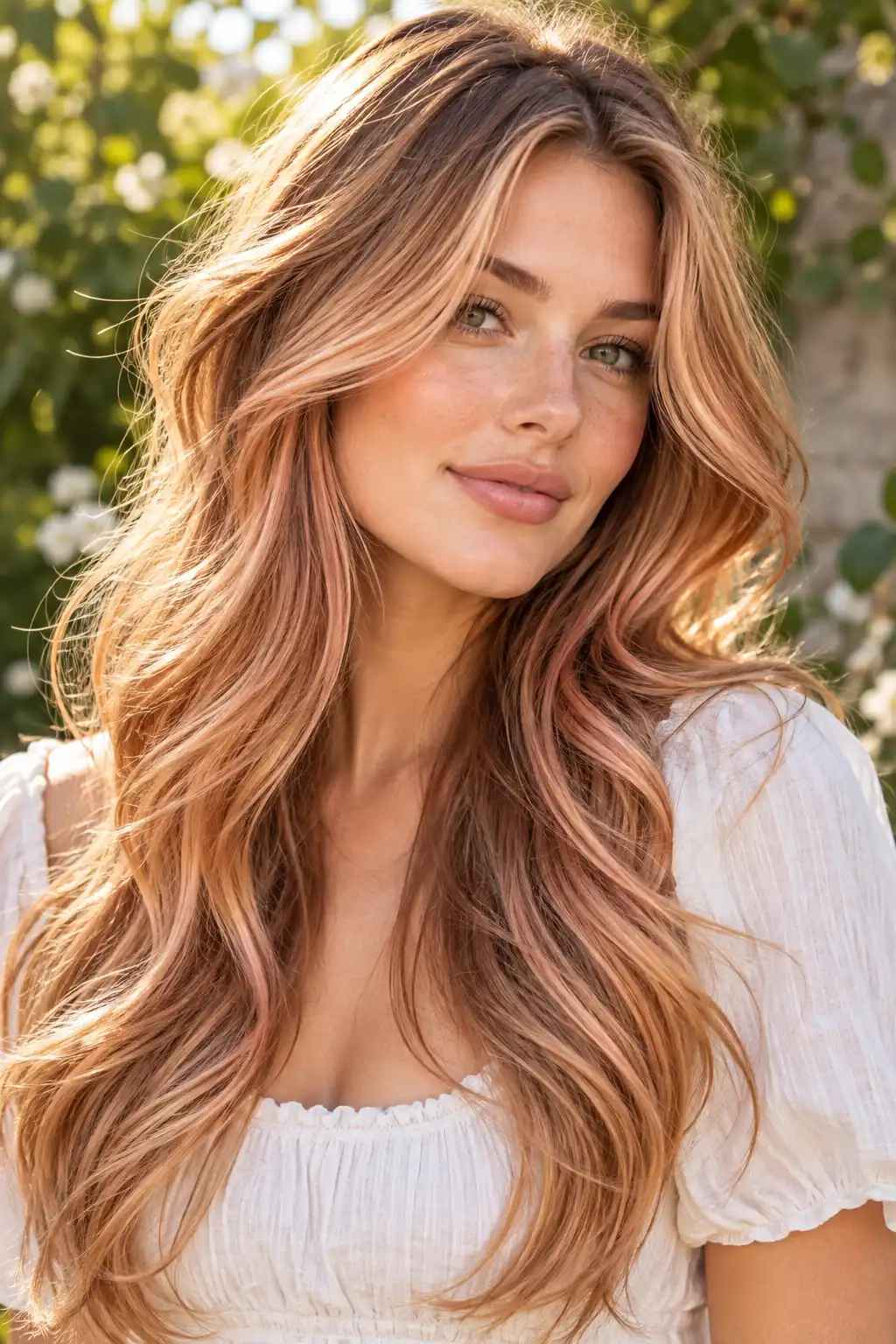
Strawberry blonde sits in the rare space where pink, gold, and copper meet. As highlights, they add a warmth and playfulness that traditional blonde or brunette options simply cannot replicate.
This shade has surged in popularity after several high-profile celebrity colorists showcased it on clients throughout spring 2026. It works best as a face-framing accent or woven through layered haircuts where movement separates and reveals the rosy tones naturally.
Why it works for summer: Strawberry tones intensify in warm lighting and photograph with a soft, romantic quality that standard blonde cannot match. The shade is inherently seasonal, evoking warmth and outdoor living in every setting.
- Best for: Light brown and natural blonde bases
- Technique: Balayage or hand-painted pieces
- Maintenance: Medium to high; red pigments fade fastest
- Skin tone: Fair to medium with warm or neutral undertones
Try This: Mix a color-depositing conditioner in strawberry or rose gold (brands like Overtone and Keracolor make excellent versions) into your regular conditioner once a week to extend the vibrancy of strawberry highlights between salon visits.
Ash Blonde Babylights

Babylights use ultra-fine foil sections throughout the entire head to create the soft, delicate blonde that children naturally have. The ash tone keeps the result cool, modern, and free from any warmth or brassiness.
This technique requires patience because the sections are so small, but the result is a seamless, natural lift that looks like you were born with the color. Ash babylights work particularly well on shorter summer hairstyles where every section of color is visible and the blend matters more than on longer hair.
Why it works for summer: The cool ash tone counteracts the warmth that sun exposure tends to pull out of highlighted hair. Babylights grow out gradually and gracefully, meaning the style looks intentional at every stage of regrowth.
- Best for: Light to medium brown bases
- Technique: Ultra-fine babylight foils
- Maintenance: Low; touch-ups every 12 to 16 weeks
- Skin tone: Cool and neutral undertones
Golden Bronde Highlights
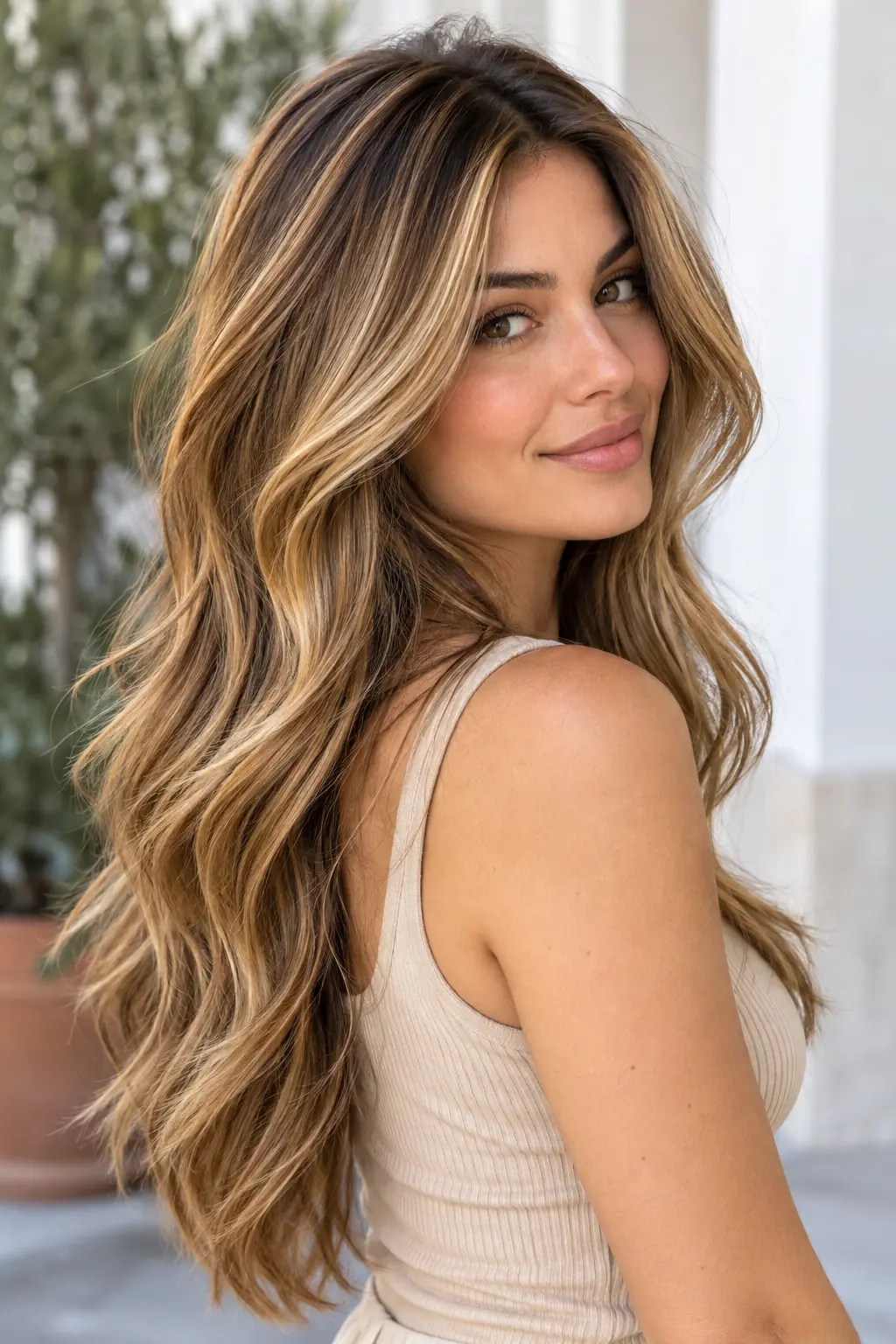
Bronde (the midpoint between brown and blonde) is the color that suits virtually everyone, and golden bronde highlights push that concept into warm, sun-drenched territory. The highlights blend brown and gold so seamlessly that the overall effect defies a single color label.
This is the ideal choice for women who want noticeable change without committing to “being blonde.” Golden bronde highlights photograph well, look polished in professional settings, and complement the kind of versatile summer haircuts that transition between casual and dressy without restyling.
Why it works for summer: Golden tones warm in natural light throughout the day, meaning your hair looks subtly different (and equally flattering) at brunch as it does at sunset. The blend between brown and blonde makes regrowth virtually undetectable for months.
- Best for: Medium brown base colors
- Technique: Balayage or foilyage (balayage within foils)
- Maintenance: Low
- Skin tone: Warm and neutral undertones
Common Mistake: Requesting golden bronde highlights using a reference photo from someone with a completely different base color. Highlights interact with your existing pigment, so a shade that looks golden on a light brunette may read orange on a dark brunette. Always bring multiple reference photos and let your colorist adjust the formula to your specific base.
All 10 Summer Highlights at a Glance
| Highlight Style | Best Base Color | Technique | Maintenance | Best Skin Tone |
|---|---|---|---|---|
| Sun-Kissed Balayage | Medium to dark brown | Freehand | Low | Warm, neutral |
| Honey Blonde Face-Framing | All bases | Foil or balayage | Low to medium | All |
| Caramel Ribbons | Medium to dark brunette | Fine foil | Medium | Warm, olive |
| Platinum Micro | Light to medium blonde | Ultra-fine foil | High | Cool, neutral |
| Copper and Auburn | Dark blonde to medium brown | Foil or balayage | Medium | Warm, olive, neutral |
| Champagne Blonde | Light brown to dark blonde | Babylights or foil | Medium | All |
| Chocolate and Toffee Mix | Light brown to dark blonde | Full foil | Low to medium | All |
| Strawberry Blonde | Light brown, natural blonde | Balayage | Medium to high | Fair to medium warm |
| Ash Blonde Babylights | Light to medium brown | Babylight foils | Low | Cool, neutral |
| Golden Bronde | Medium brown | Balayage or foilyage | Low | Warm, neutral |
How to Keep Highlighted Hair Healthy All Summer
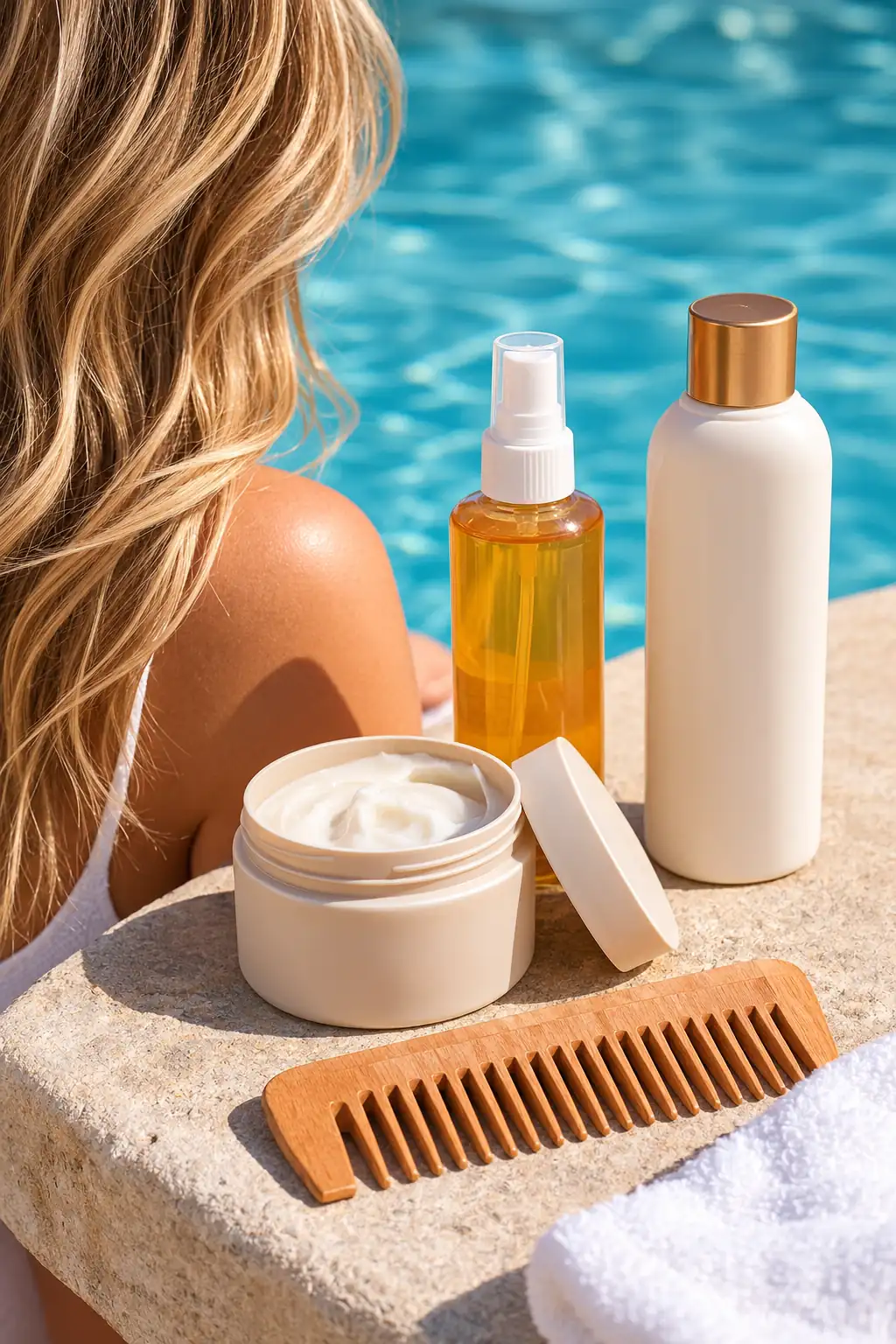
Summer is the season that tests highlighted hair the most. UV rays, chlorine, salt water, and heat all accelerate color fading and structural damage on lightened strands that are already more porous than virgin hair.
A weekly deep conditioning mask (Olaplex No. 3 or K18 Leave-In Molecular Repair Mask) repairs the bonds that lightening breaks during the highlighting process. UV-protectant hair sprays exist now from brands like Sun Bum and Coola, and they work on the same principle as skin sunscreen by absorbing UV radiation before it degrades color molecules. Wetting hair with fresh water before entering a pool or ocean pre-saturates the strand so it absorbs less chlorine and salt. A comprehensive healthy hair routine covers conditioning schedules, heat protection, and washing frequency specifically for color-treated hair.
Important Note: Color-safe shampoo is not optional for highlighted hair. Regular shampoos contain sulfates that strip color pigment with every wash, visibly fading highlights within two to three weeks. Switching to a sulfate-free formula immediately after your appointment protects the investment.
Understanding Highlight Placement and Face Shape
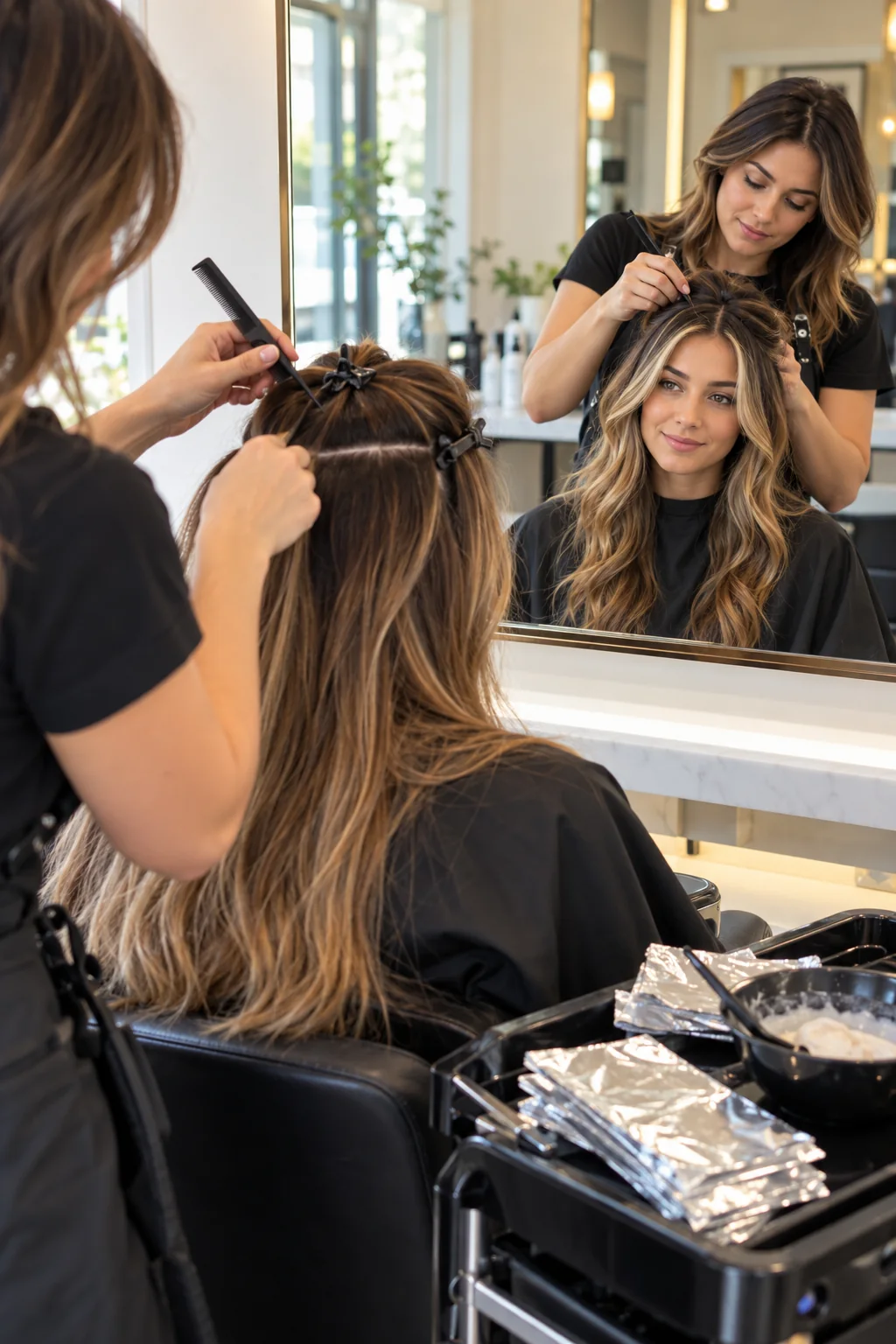
Where highlights are placed matters as much as the shade itself. Strategic placement draws attention to your best features and creates the illusion of different facial proportions, which is why good colorists always consider face shape during the consultation.
Round faces benefit from highlights concentrated at the crown and ends, which draws the eye vertically and creates length. Oblong faces look best with brightness at the temples and around the jawline, adding width where proportions need balance. Heart-shaped faces suit face-framing highlights that add visual weight at the chin. Oval faces have the most flexibility and can wear any placement pattern. Booking a consultation with a skilled colorist who evaluates your face shape before mixing color saves money and prevents results that work against your natural proportions.
Choosing the Right Highlight Technique for Your Hair Texture
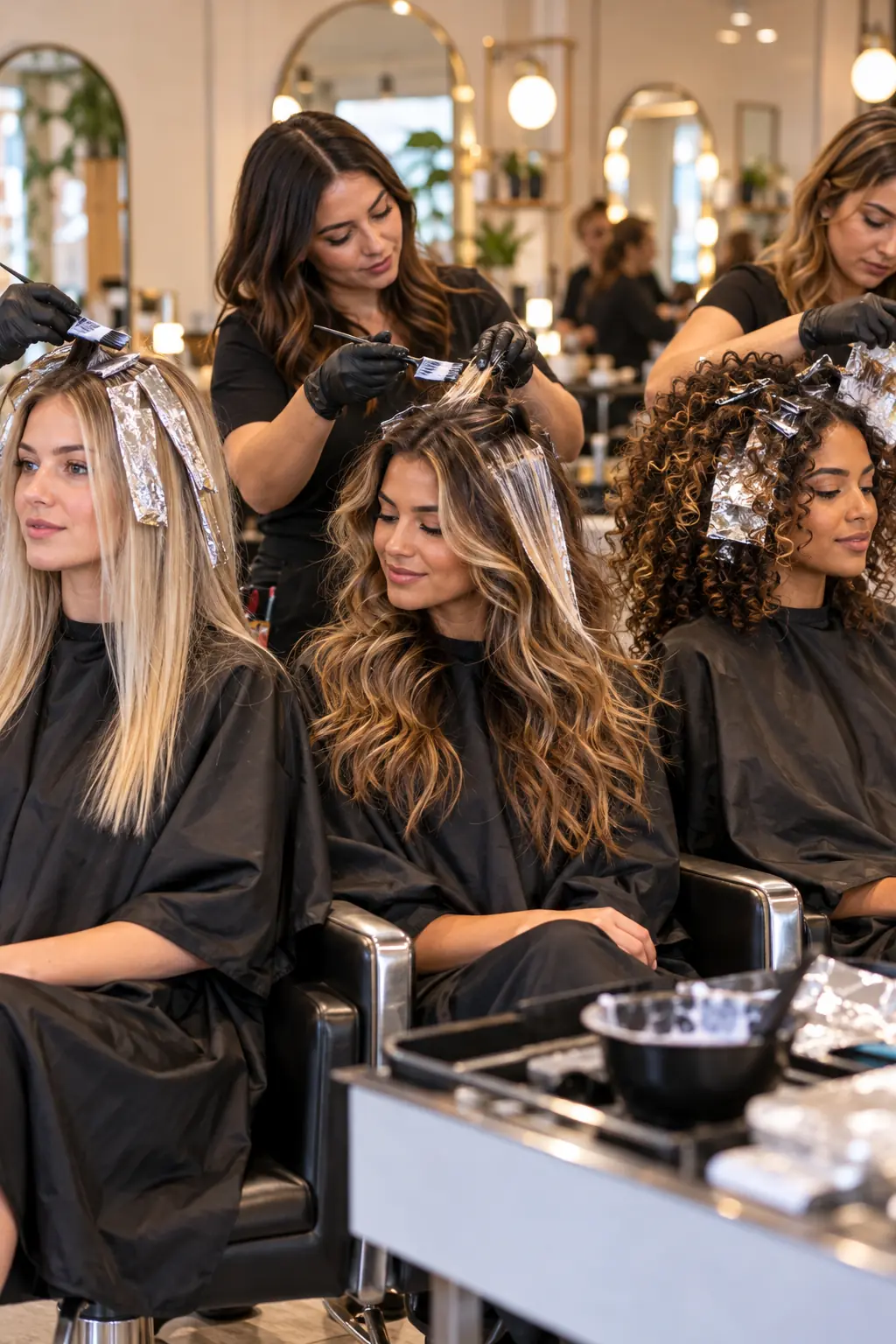
Fine hair, thick hair, curly hair, and straight hair all interact with highlight techniques differently. Matching the technique to your texture produces results that look natural rather than forced.
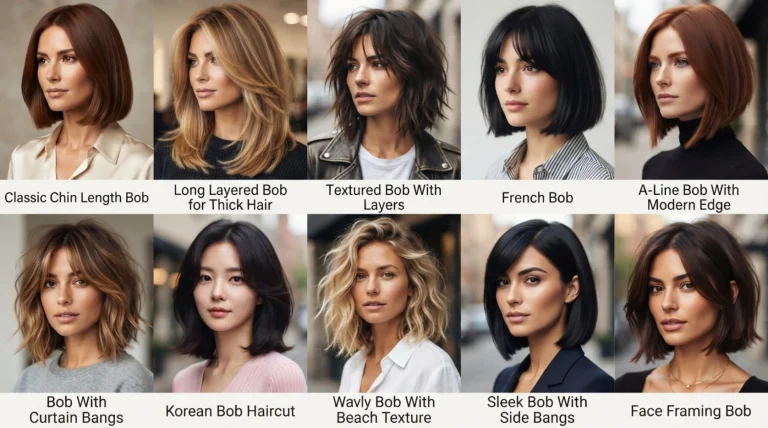
Fine hair responds best to babylights and micro highlights because the small sections create fullness and the illusion of thicker, more dimensional strands. Thick hair handles chunkier balayage and foil highlights well because the volume of hair diffuses the color and prevents it from looking streaky. Curly hair benefits most from hand-painted techniques where the colorist places color on the outer curl surface (where light naturally hits), creating a sun-kissed effect that respects the curl pattern. Straight hair shows every highlight individually, so seamless blending and toning are critical to avoiding visible lines. Pairing the right highlight technique with a flattering modern haircut multiplies the visual impact because the cut and color work together to enhance dimension and movement.
Pro Tip: If you have curly hair, ask your colorist to highlight your hair while it is dry and in its natural curl pattern. Highlighting curly hair when wet and stretched alters where the color lands once it dries and springs up, often resulting in highlights hidden inside curl clumps rather than visible on the surface.
Hair highlight ideas for summer 2026 prove that the right placement, tone, and technique can transform any base color into something multidimensional and season-ready. Pick the style that suits your base, trust your colorist with the placement, and let the summer sun do the rest.