Summer Hair Color Ideas 2026 Chic Shades You’ll Love This Season: 8 Expert-Approved Looks for Warm Weather
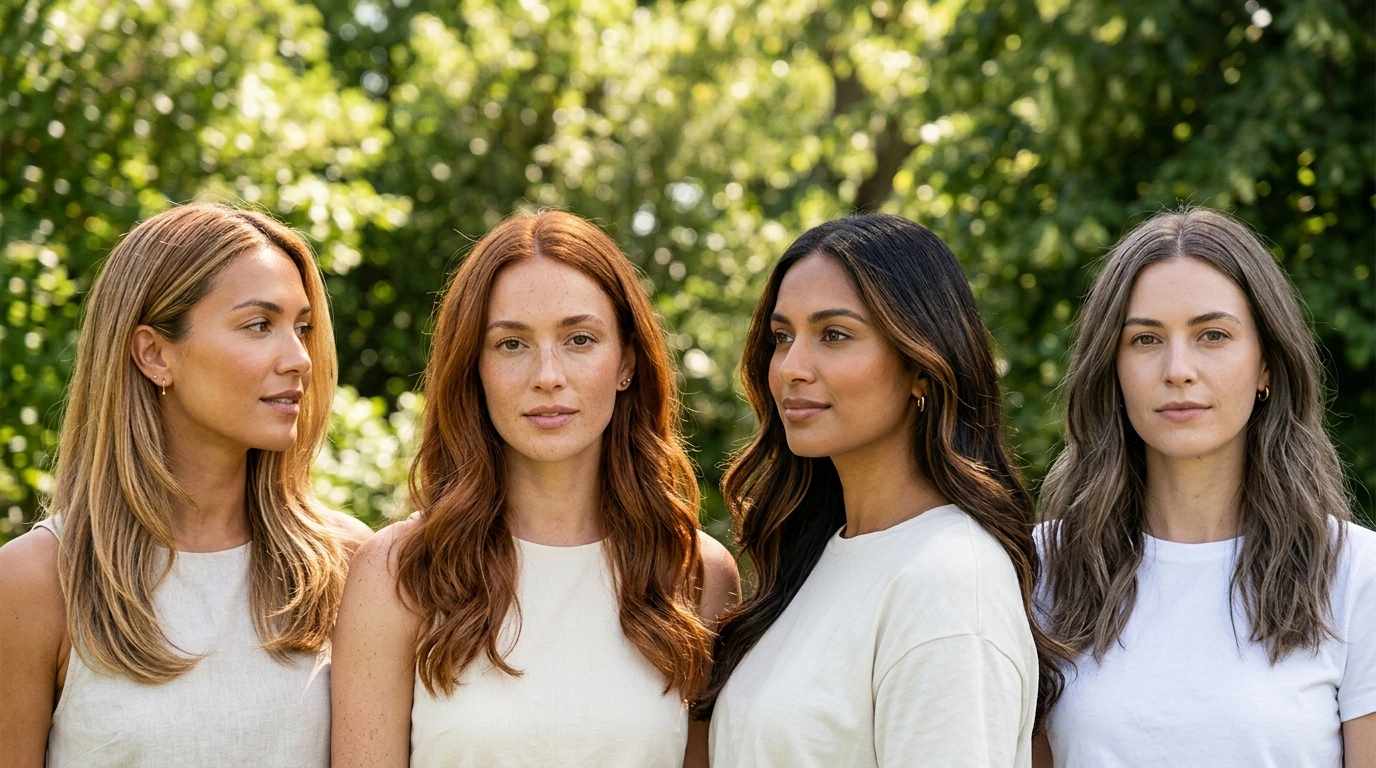
Choosing summer hair color ideas for 2026 feels overwhelming when every salon Instagram account promotes a different shade as the must-try trend of the season. The real challenge is finding a color that flatters your skin tone, survives sun exposure without turning brassy, and does not require salon visits every three weeks to maintain.
These eight expert-approved shades represent the most wearable, low-maintenance, and universally flattering summer hair color options trending in 2026. Each shade includes guidance on which skin tones it complements, what maintenance it demands, and how it ages through the season as sun and heat do their work. The hair color trends shaping 2026 have moved firmly toward warm, dimensional tones that enhance natural hair rather than fighting against it.
1. Honey Blonde with Sun-Kissed Highlights
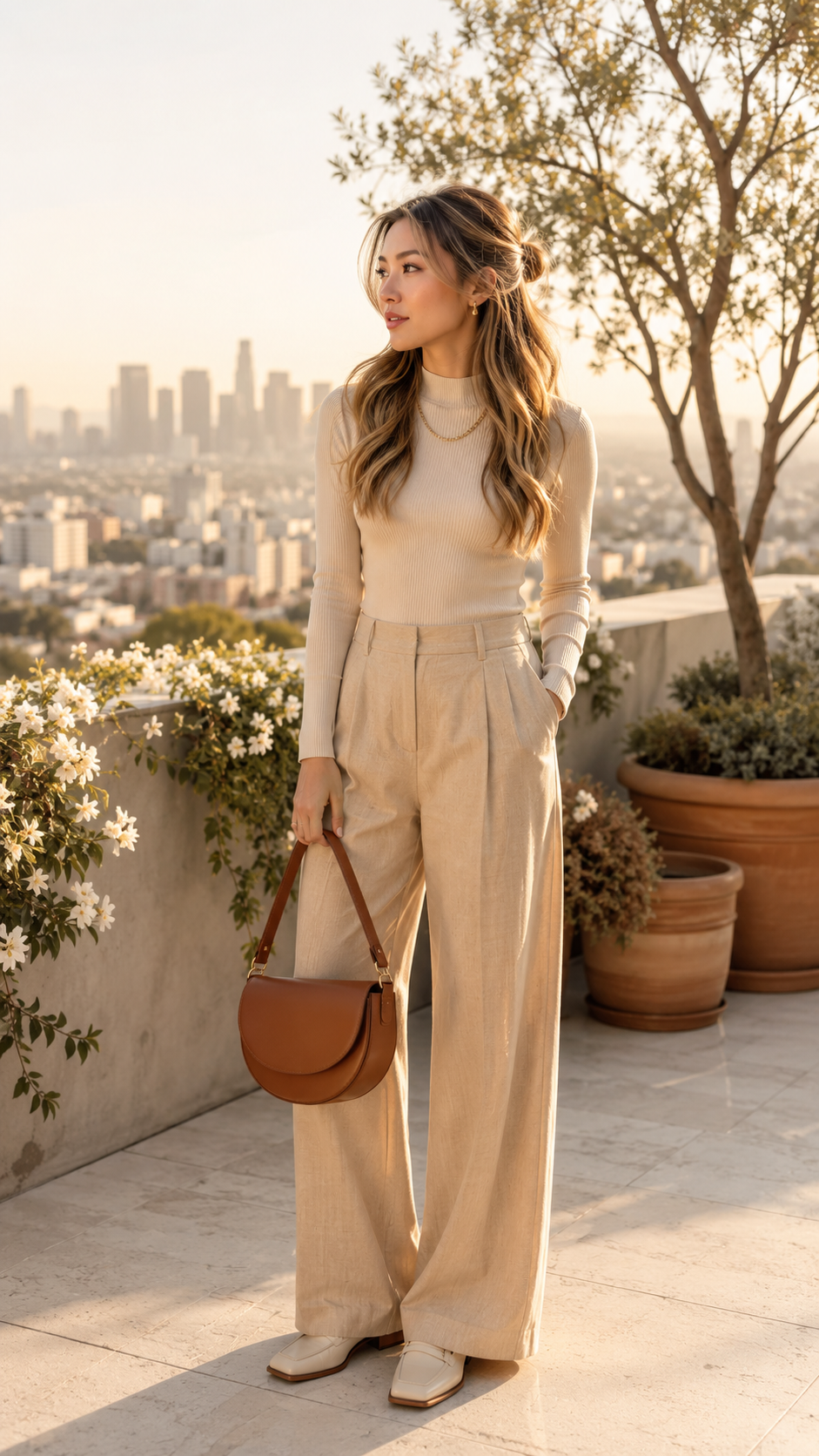
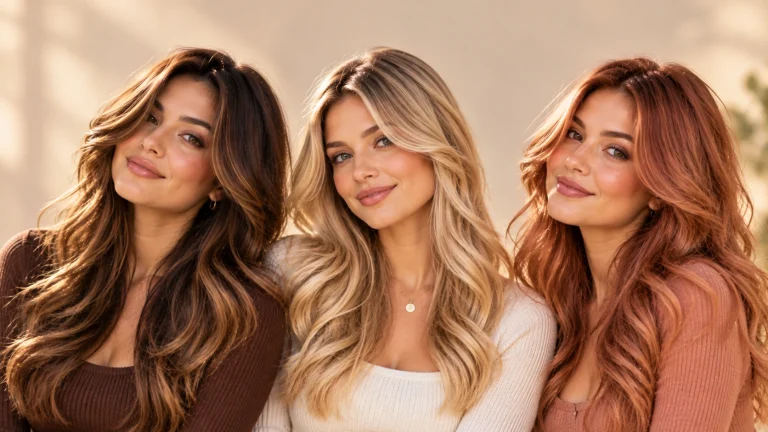
Honey blonde sits in the sweet spot between golden and caramel that flatters warm, neutral, and olive skin tones without the harshness of platinum or the dullness of ashy shades. The warmth of the honey base creates a natural-looking glow that mimics the way hair lightens in actual sunlight.
Adding sun-kissed highlights throughout the mid-lengths and ends creates depth and dimension that prevents the color from reading as flat or one-dimensional. The highlights should be no more than two shades lighter than the honey base, creating a gradient effect rather than obvious streaks. Colorists achieve this most effectively through a freehand painting technique that places lighter pieces where the sun would naturally hit. Exploring different highlight placement strategies helps you communicate exactly what you want during your salon appointment.
Pro Tip: Extend the life of honey blonde between salon visits by using a color-depositing conditioner in a golden or honey shade once a week. Brands like dpHUE and Moroccanoil offer formulas that refresh warmth without altering the base color, pushing your touch-up timeline from six weeks to eight or nine.
2. Rich Copper That Catches Every Ray of Light
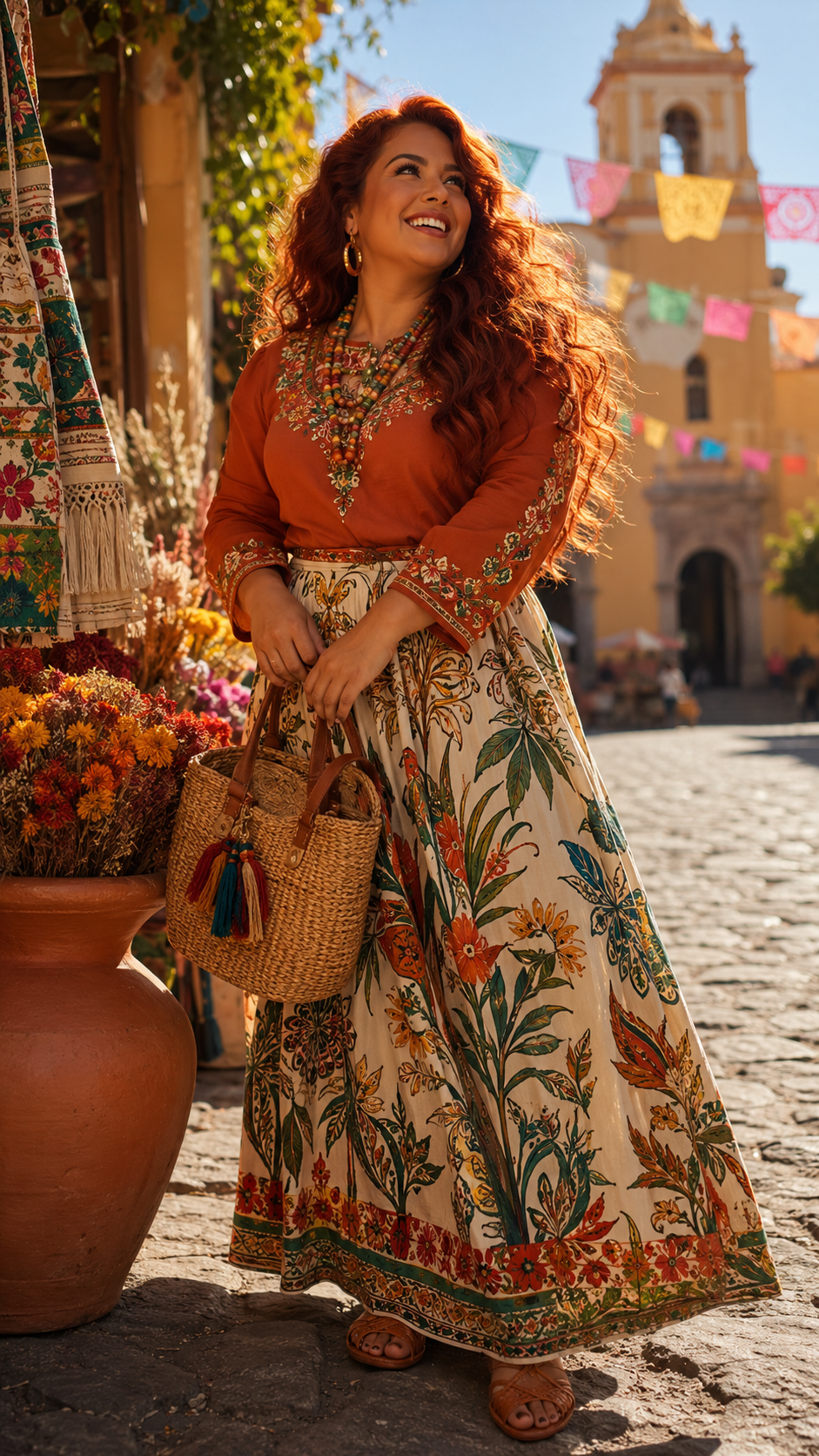
Copper has evolved from a niche, editorial color into one of the most requested shades in summer 2026, driven by its ability to appear completely different depending on the lighting. Indoor environments produce a rich auburn effect, while direct sunlight transforms the same shade into a fiery, reflective orange-red that commands attention.
I made the switch to copper last spring after years of staying within the brunette spectrum, and the most surprising element was how much the shade changes throughout the day without any effort. The key to wearable copper is choosing a shade with enough brown undertone to prevent it from reading as costume-like; think burnt sienna rather than bright orange. The spring and summer color transitions happening in 2026 have specifically embraced copper as a year-round shade rather than the autumn-only color it was previously categorized as.
3. Espresso Brown with Warm Caramel Ribbons

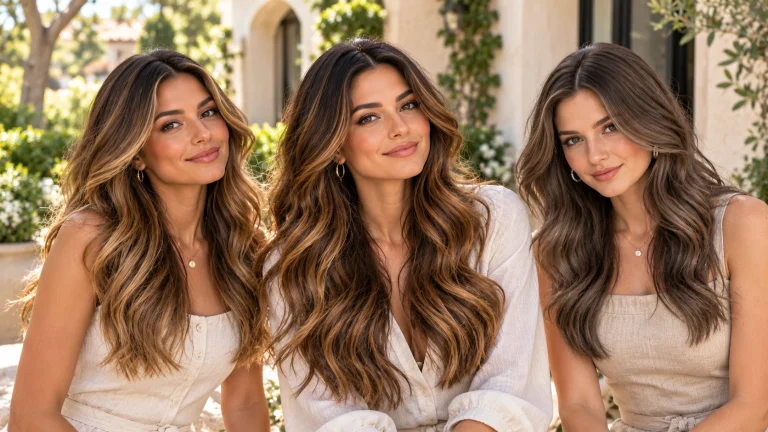
Espresso brown with strategically placed caramel ribbons delivers rich, luxurious dimension without the commitment or maintenance of going significantly lighter. The deep brown base requires minimal upkeep while the caramel pieces add warmth and movement that prevent dark hair from appearing flat in summer sunlight.
The placement of caramel ribbons matters more than the shade itself. Concentrating them around the face, at the crown, and through the ends creates the illusion of natural sun-lightening without all-over processing. This technique preserves the integrity of the majority of the hair while adding visual interest exactly where the eye naturally looks. The warm brown tones trending for spring carry seamlessly into summer when the caramel ribbons are placed to catch seasonal sunlight.
4. Strawberry Blonde for a Soft Summer Glow

Strawberry blonde occupies a unique space between blonde, red, and pink that creates a soft, ethereal warmth unlike any other shade in the color spectrum. The pink-copper undertone reflects light differently than traditional blondes, producing a luminous quality that looks particularly striking in golden-hour lighting.
The shade works best on naturally light brown or dark blonde hair because the lift required is minimal, which means less chemical processing and healthier hair throughout the summer. Fair and light-medium skin tones with warm or neutral undertones complement strawberry blonde most naturally. The balayage technique is particularly effective for strawberry blonde because it allows the colorist to blend the pink-copper tones gradually rather than applying a single flat shade.
Did You Know: Natural strawberry blonde hair occurs in approximately one to two percent of the global population, making it one of the rarest natural hair colors in existence. The shade requires a specific combination of the pheomelanin pigment responsible for red hair and the eumelanin pigment responsible for brown, which is why it is so difficult to replicate artificially without the right colorist.
5. Mushroom Brunette with Ashy Undertones

Mushroom brunette is the anti-warm color trend of 2026, offering a cool, muted brown with gray and ashy undertones that creates a sophisticated, modern look. The shade works by neutralizing the warm orange and red tones that naturally occur in brunette hair, producing a cooler, more editorial brown.
This color suits cool and neutral skin tones exceptionally well, particularly women with pink or olive undertones who find warm browns unflattering against their complexion. The maintenance requirement is moderate because the ashy toner fades faster than warm-toned colors, typically needing a toner refresh every four to six weeks. Checking the color inspiration options trending in 2026 reveals mushroom brunette consistently ranking among the top salon requests for women seeking understated sophistication.
6. Golden Balayage on a Warm Brown Base

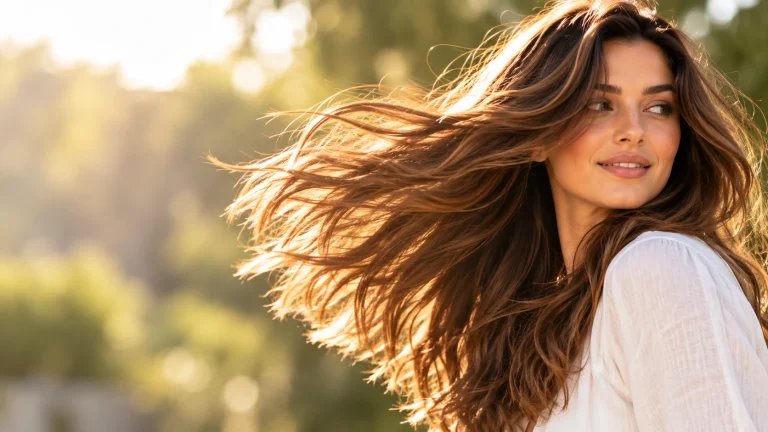
Golden balayage on a warm brown base creates the most natural-looking summer hair color because it mimics the exact pattern that sun exposure creates on untreated hair. The technique places lighter pieces where the sun would naturally hit: around the hairline, through the mid-lengths, and concentrated at the ends.
A friend who works as a colorist at a salon in Austin shared that golden balayage is the single most requested service during summer months because clients want their hair to look “like they spent two weeks at the beach” without the actual sun damage. The key difference between quality balayage and a mediocre version is the blending zone; the transition from the warm brown base to the golden pieces should be imperceptible rather than creating a visible line. Exploring the best summer shades specifically designed for brunettes provides additional inspiration for warm-toned dimensional color.
Common Mistake: Requesting “balayage” without specifying the warmth level, placement density, and contrast intensity leads to unpredictable results because the term covers a technique, not a specific color outcome. Always bring three to five reference photos showing both the tone and the placement pattern you want, and discuss how much contrast you prefer between the base and the lighter pieces before the colorist begins.
7. Platinum Ice Blonde for Bold Summer Statements
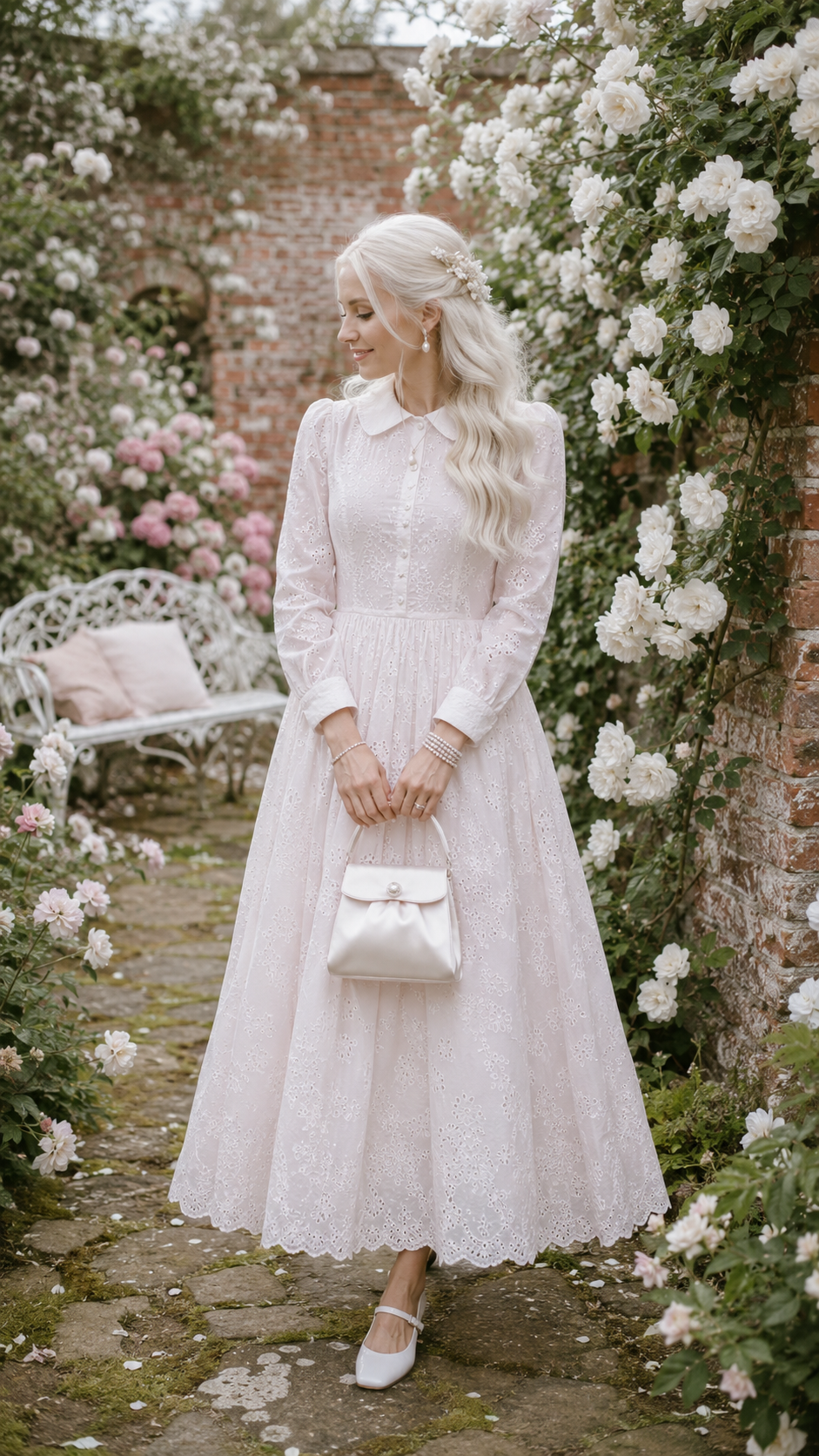
Platinum blonde remains the most dramatic summer hair color option for women who want a statement shade that turns heads. The near-white blonde creates a striking contrast against tanned summer skin and works particularly well with the clean, minimal styling aesthetic trending in 2026.
The reality of platinum is that it requires the most significant chemical processing of any shade on this list, which means hair health becomes the primary concern. Only hair that starts in good condition with no previous chemical damage should attempt full platinum. The brown-based summer color alternatives provide lower-maintenance options for women who want change without the platinum commitment.
Warning: Going platinum from dark hair in a single session risks severe chemical damage including breakage, dryness, and irreversible elasticity loss. Reputable colorists insist on a multi-session approach spread over four to eight weeks, using bond-building treatments like Olaplex between lightening stages. If a salon promises full platinum from dark brown or black in one appointment, treat that as a red flag and find another colorist.
8. Warm Chestnut with Face-Framing Money Pieces

Warm chestnut as a base color with lighter face-framing pieces, known as “money pieces,” has become the go-to summer color for women who want a noticeable change with minimal maintenance. The lighter pieces around the face brighten the complexion and create the illusion of dimension without requiring all-over color processing.
I noticed this trend accelerating on every hair appointment board this season, and the appeal is clear: money pieces require touch-ups only every ten to twelve weeks because they grow out gracefully rather than creating a harsh root line. Choosing face-framing pieces two to three shades warmer than the chestnut base, in tones like caramel or toffee, keeps the contrast soft and natural. Pairing this color with the trending summer hairstyles for 2026 like curtain bangs and textured layers maximizes the impact of the face-framing placement.
How to Maintain Summer Hair Color Between Salon Visits
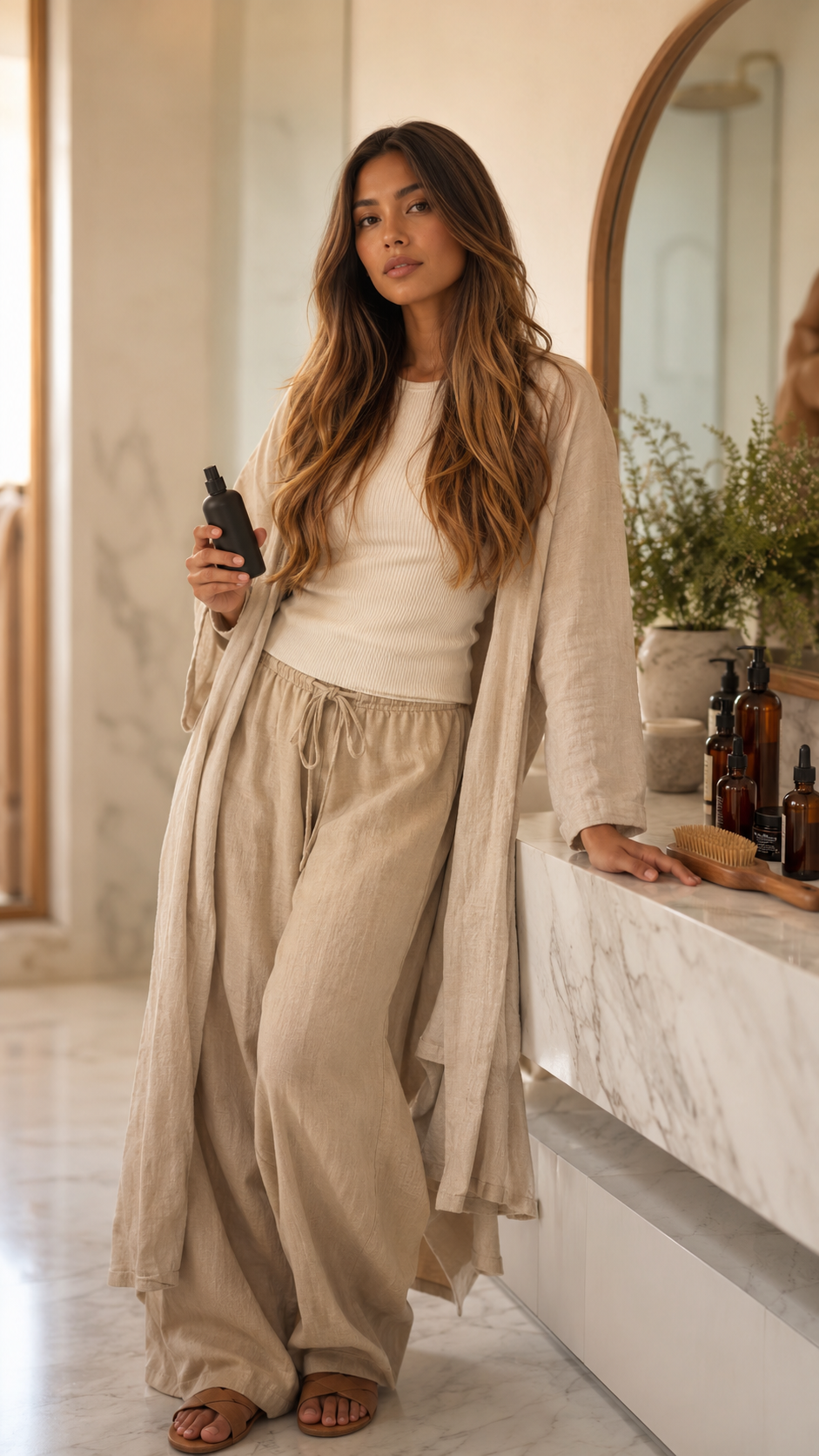
Color maintenance during summer requires a specific routine because sun exposure, chlorine, and saltwater all accelerate fading and tone shifts that do not occur during other seasons. The difference between color that lasts eight weeks and color that fades in three often comes down to at-home care habits.
Sulfate-free shampoo is non-negotiable for color-treated hair because sulfates strip pigment with every wash. Color-depositing conditioners used once weekly refresh tone without salon visits, and purple shampoo specifically neutralizes the brassy yellow tones that sun exposure creates in blonde and highlighted hair. UV-protective hair sprays now exist from brands like Kerastase and Redken that prevent sun-induced oxidation the same way SPF protects skin. Building color protection into a broader healthy hair maintenance routine ensures the color and the hair underneath both survive the summer season. Investing in quality hair products that support color retention pays for itself by extending the gap between salon appointments.
Try This: Wash your hair with the coldest water you can tolerate after applying conditioner because cold water closes the hair cuticle and seals pigment inside, while hot water opens the cuticle and allows color molecules to rinse out. This single habit can extend color vibrancy by two to three additional weeks.
What to Ask Your Colorist Before Committing to a New Shade
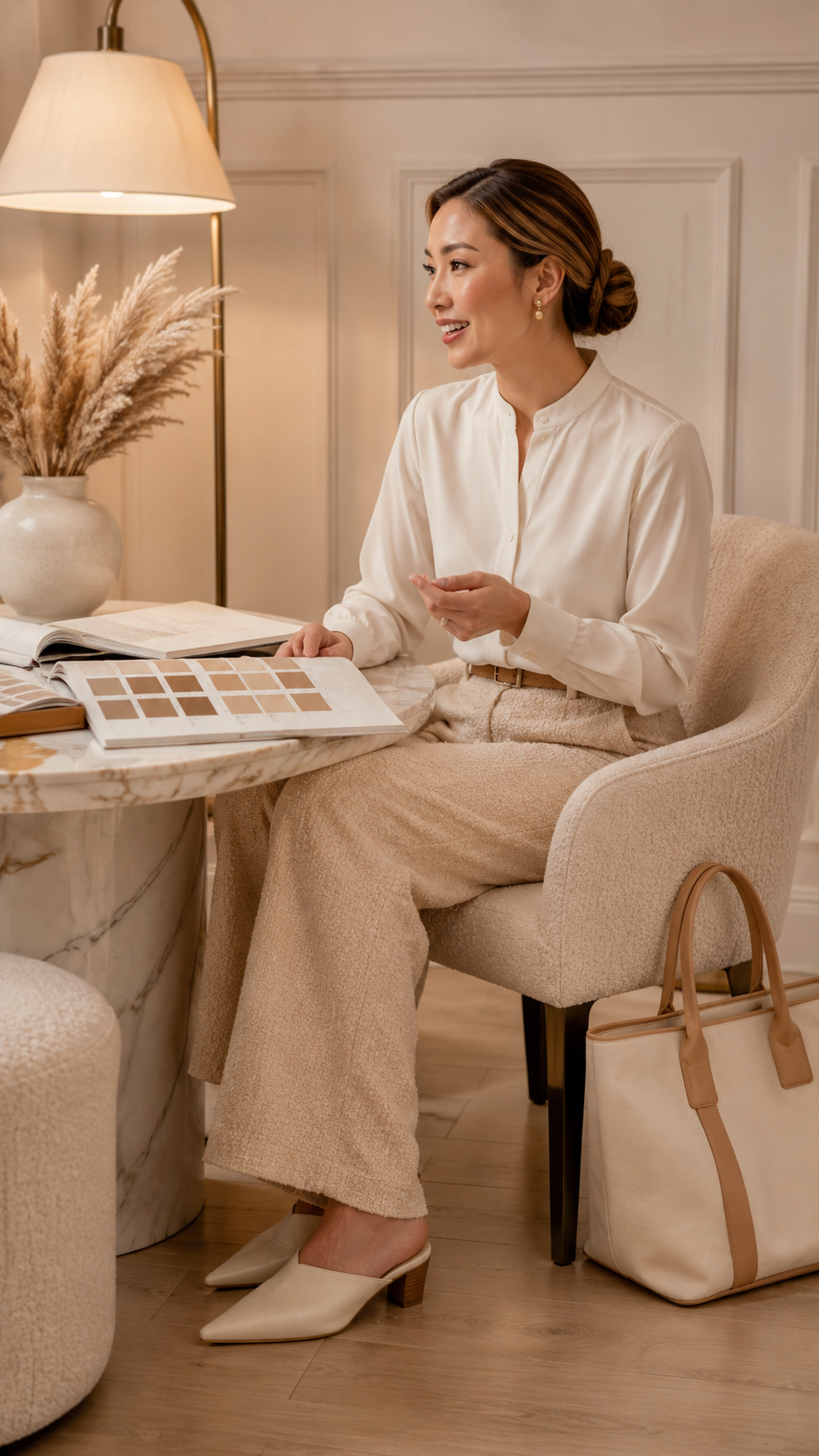
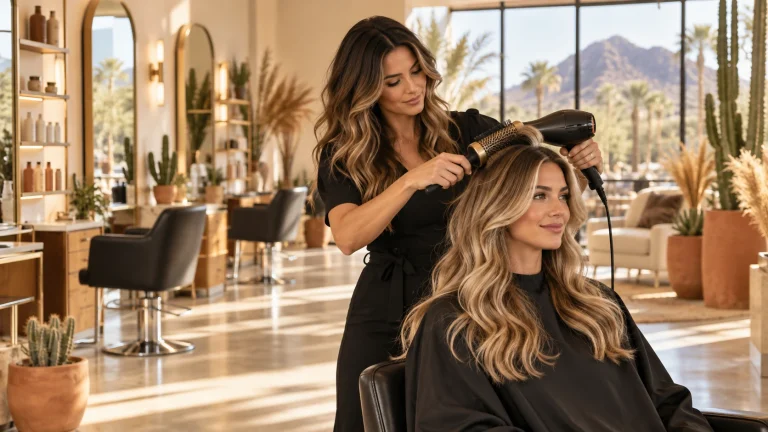
Walking into a salon appointment without preparation leads to miscommunication, unexpected results, and wasted money. Asking the right questions before the colorist picks up a brush prevents the most common color regrets.
| Question | Why It Matters |
|---|---|
| “What maintenance level does this shade require?” | Prevents surprises about touch-up frequency and at-home product costs |
| “Will this work with my natural base color?” | Determines how much processing is needed and whether the shade is achievable in one session |
| “How will this shade fade over time?” | Some colors fade gracefully while others shift to unwanted tones |
| “What products do I need to maintain this at home?” | Avoids premature fading from using wrong shampoo or skipping toner |
| “Can you show me this shade on a similar hair type?” | Reference photos on your specific hair type are more accurate than celebrity images |
| “What is the realistic total cost including toner and treatments?” | Prevents bill shock when bond treatments and toner are added to the base color price |
Having this conversation before the appointment begins gives the colorist clarity on your expectations and budget. Using the right styling tools at home after the appointment also impacts how long the color and style hold between visits.
How Sun Exposure and Chlorine Affect Hair Color in Summer
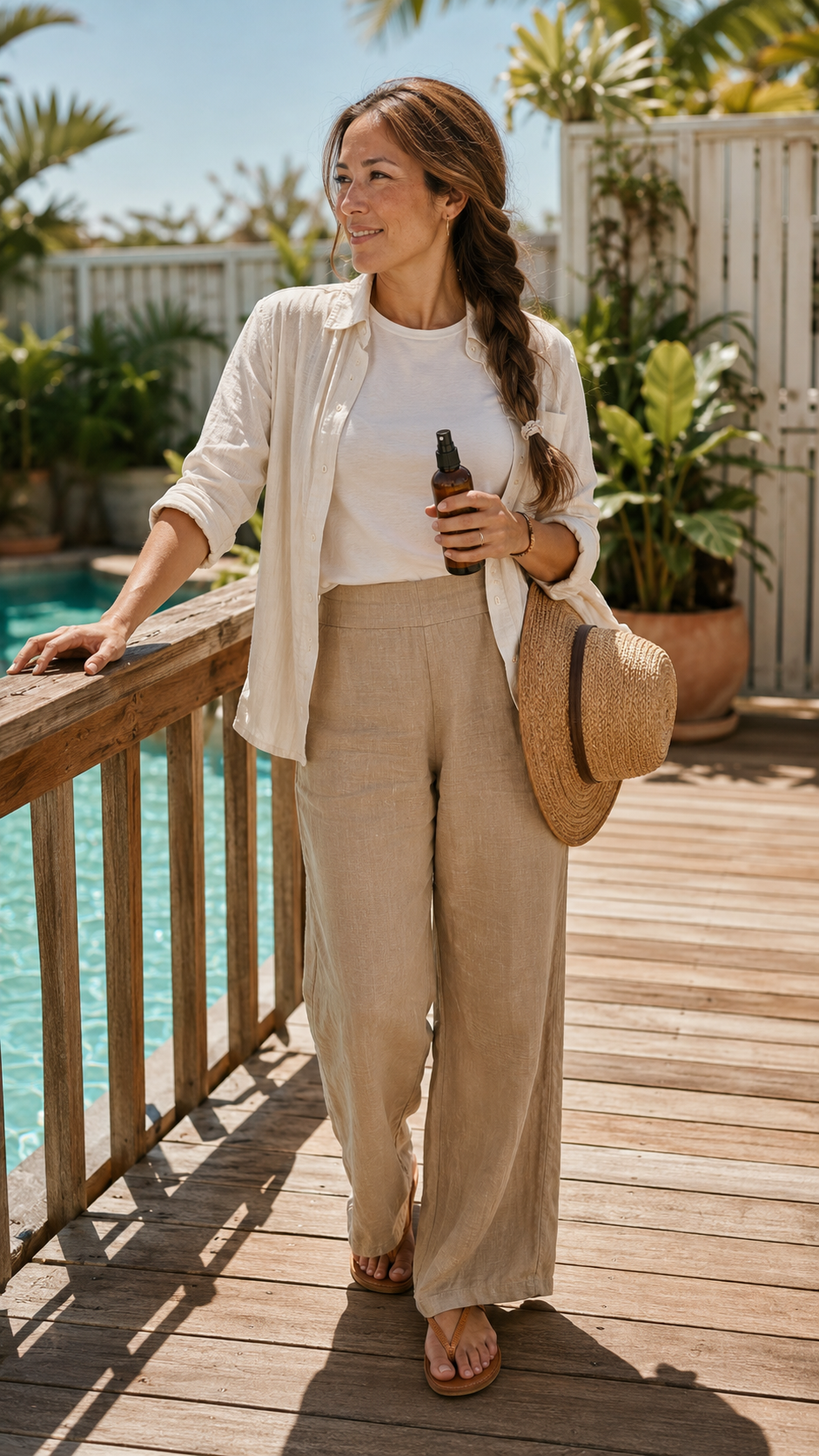
Understanding exactly how summer elements damage color-treated hair helps you protect your investment rather than watching it fade prematurely. Sun, chlorine, and saltwater each attack hair color through different chemical mechanisms, and each requires a specific countermeasure.
UV radiation oxidizes the pigment molecules deposited during the coloring process, which is why color-treated hair fades faster in summer than winter. Chlorine in pool water strips the protective lipid layer from the hair shaft, opening the cuticle and allowing pigment to leach out with every swim. Saltwater creates a similar effect through osmotic dehydration, pulling moisture and pigment from the hair strand. Pairing hair protection with proper skin sun protection and a solid post-sun skincare routine creates a complete summer beauty defense strategy.
Important Note: Wetting your hair with clean tap water before entering a pool or ocean significantly reduces chemical and salt absorption because pre-saturated hair absorbs less chlorinated or salty water. This simple step is the single most effective color-preserving technique for active summer swimmers and costs nothing to implement.
Summer hair color in 2026 rewards women who choose shades that work with their natural tone, invest in proper maintenance products, and communicate clearly with their colorist before the appointment. Pick a shade that excites you, prepare for the maintenance it demands, and protect it from the summer elements that work against longevity.