Haircuts You’ll Love This Summer 2026 Fresh and Stylish Ideas for 7 Trendy Looks

Finding the right summer haircut in 2026 means navigating a trend landscape where layered, textured, low-maintenance styles have completely overtaken the sleek, blown-out precision cuts that dominated previous seasons. The shift reflects a practical reality: summer hair needs to survive humidity, air drying, pool water, and minimal styling effort while still looking intentional.

These seven haircuts represent the most requested, most wearable, and most universally flattering options trending in salons across 2026. Each cut includes guidance on which hair types and textures it suits, what maintenance level it demands, and how it behaves in summer conditions without daily heat styling. The modern shag and textured cut movement driving this season gives every hair type a flattering, lived-in option.
1. The Modern Shag with Textured Layers
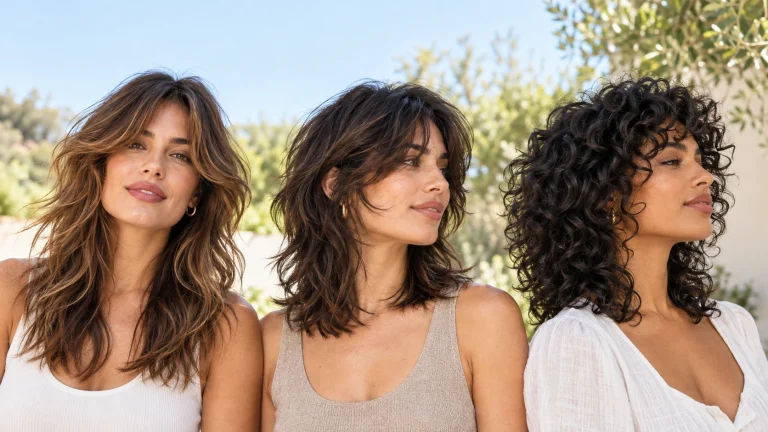
The modern shag has become the defining haircut of 2026 because it works across every hair length, texture, and face shape while requiring the least daily effort of any layered cut. The hallmarks are face-framing layers, internal texture through the mid-lengths, and a slightly undone finish that looks styled without visible effort.
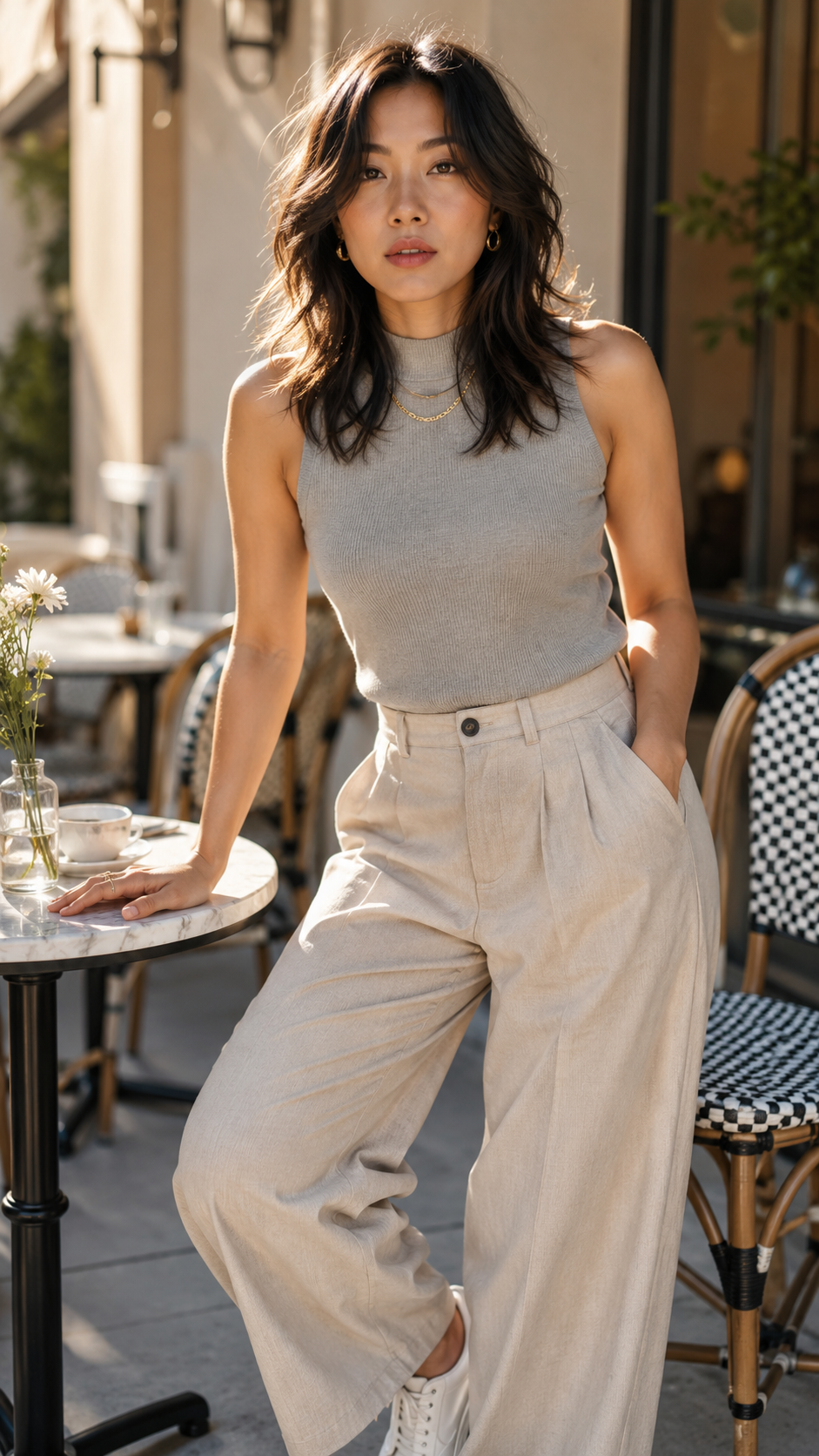
The 2026 version differs from the vintage 1970s shag through softer transitions between layers and less aggressive choppy texture. The result is a cut that looks polished enough for professional settings while carrying enough edge for casual and social contexts. Adding strategic layering throughout the cut creates internal movement that prevents flat, lifeless hair even in humid summer conditions.
Pro Tip: Apply texturizing spray to damp hair before air drying rather than after the hair has fully dried. The spray sets into the hair’s natural drying pattern and creates texture that lasts the entire day, while spraying dry hair only creates surface texture that fades within hours.
Why it works for summer styling:
The shag’s layered construction means it dries with natural volume and movement regardless of whether you use a blow dryer or air dry. This makes it the most summer-practical cut on this list because it eliminates heat styling entirely without sacrificing appearance.
- Best for: Women who want a stylish cut with minimal daily effort
- Hair type: All textures; particularly effective on wavy, thick, and medium-density hair
- Maintenance level: Low; trims every 8 to 10 weeks to maintain shape
2. Blunt Bob at Chin Length
The blunt bob delivers the most dramatic visual impact of any cut on this list because the clean, single-length line creates a sharp, editorial silhouette that commands attention. The chin-length version specifically works for summer because the shorter length lifts hair off the neck and shoulders, providing immediate relief in heat.
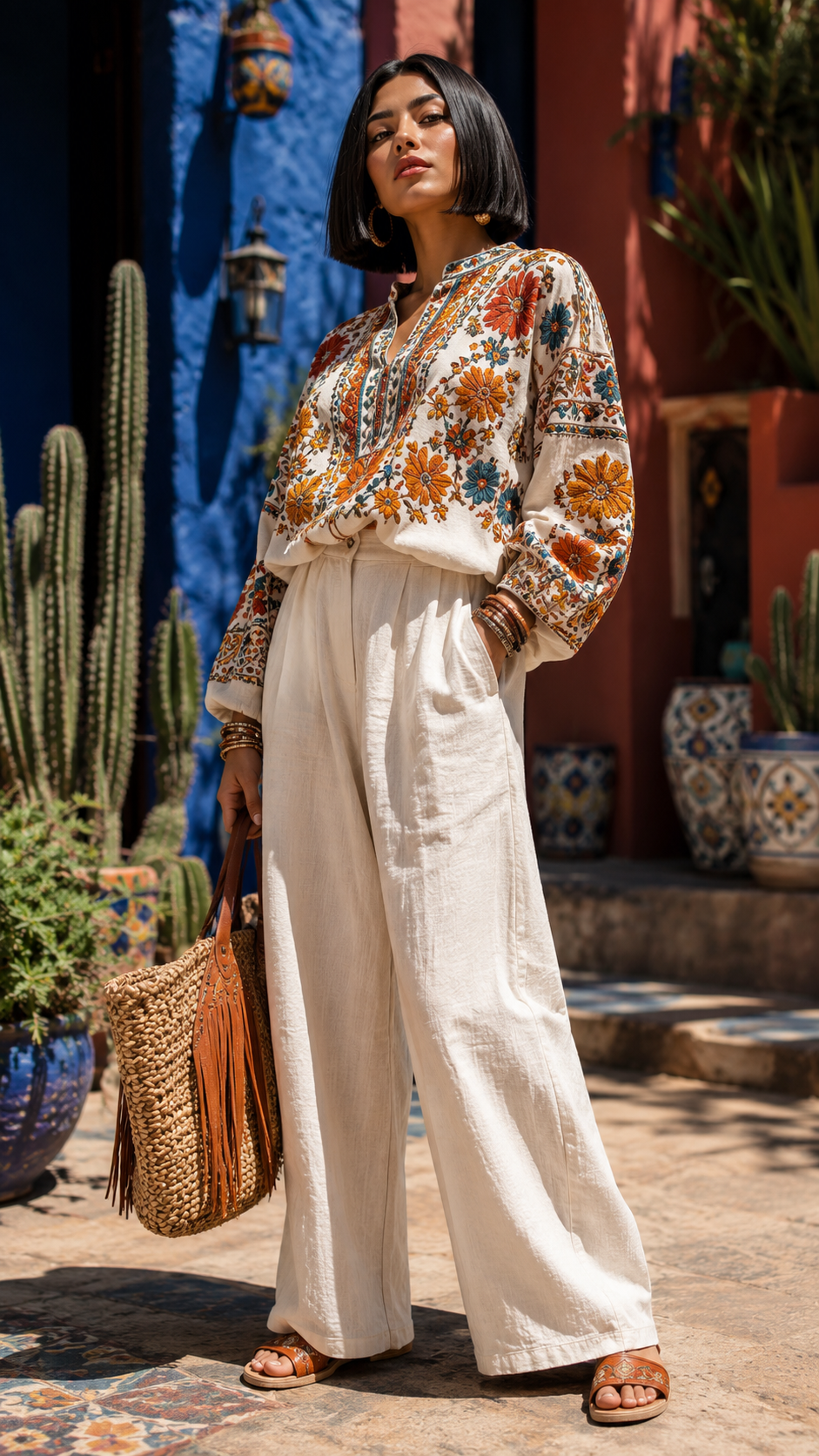
Unlike layered bobs that blend into softer shapes, the blunt bob maintains a precise, geometric edge that reads as intentional and polished. The cut works best on straight to slightly wavy hair, where the blunt line remains visible and defined. Exploring different bob variations and styling approaches reveals how a single-length cut creates dramatically different looks depending on parting, tucking, and accessorizing.
Why it works for bold summer statements:
The blunt bob communicates confidence and decisiveness through its clean geometry. The shorter length reduces wash, dry, and styling time by roughly half compared to shoulder-length and longer cuts.
- Best for: Women who prefer precision over texture, strong style statements
- Hair type: Straight to slightly wavy; thicker hair creates a fuller, more impactful line
- Maintenance level: Medium; trims every 6 to 8 weeks to maintain the blunt edge
3. Long Layers with Curtain Bangs
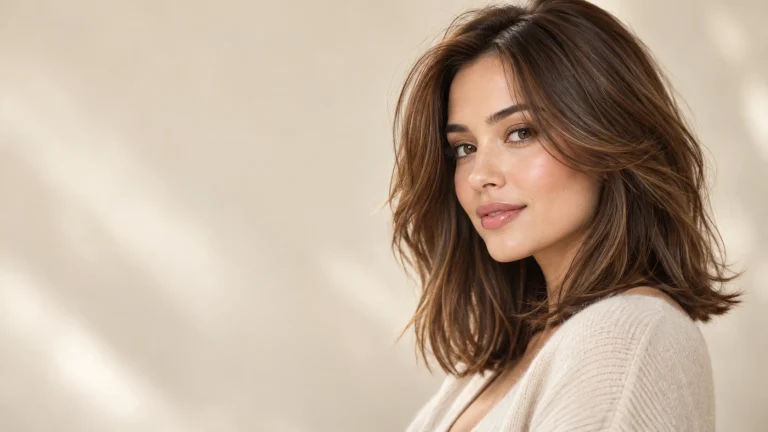
Long layers paired with curtain bangs create the most universally flattering combination for women who want to keep their length while adding face-framing dimension. The curtain bangs, parted in the center and feathered outward, soften the forehead and frame the cheekbones in a way that suit virtually every face shape.
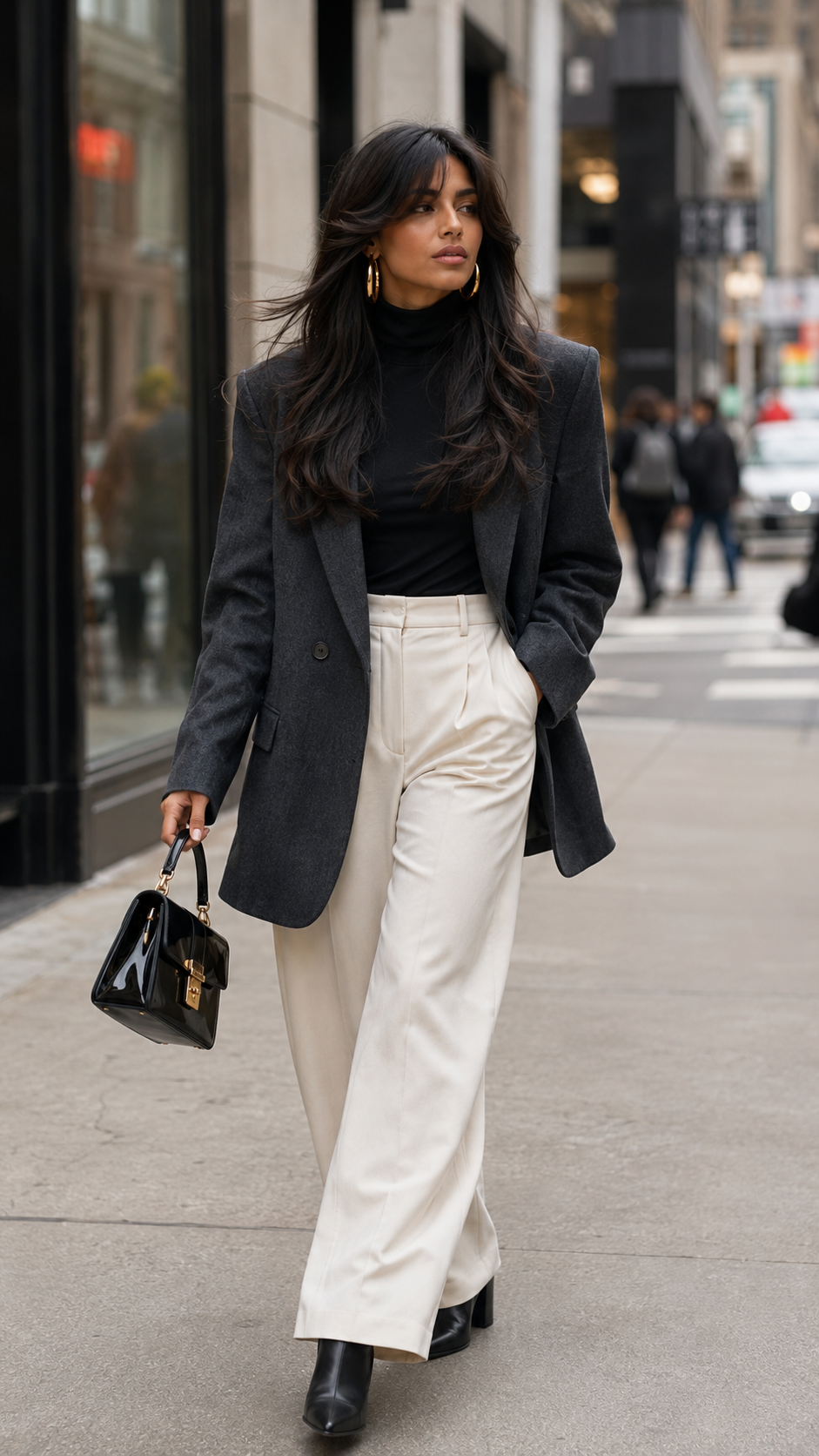
The long layers add internal movement that prevents heavy, one-length hair from falling flat in summer humidity. Choosing layers that start below the chin preserves the appearance of length while removing weight from the interior. The bang styling techniques trending in 2026 specifically favor the curtain parting over blunt fringe because curtain bangs grow out gracefully and require less frequent trimming.
Why it works for length preservation:
Women who resist cutting their long hair short can achieve a completely refreshed look through layers and curtain bangs alone. The cut changes the entire appearance without sacrificing the length that took years to grow.
- Best for: Long-hair lovers who want dimension without losing length
- Hair type: All textures; layers amplify natural wave and curl patterns
- Maintenance level: Low to medium; bang trims every 4 to 6 weeks, overall trims every 10 to 12 weeks
4. The Italian Bob (Soft, Rounded, Chin-Grazing)
The Italian bob differs from the standard blunt bob through its softer, rounded shape that curves inward at the ends rather than maintaining a rigid geometric line. The result is a cut that looks effortlessly lived-in while maintaining the polished, glossy finish that Italian hair styling is known for globally.
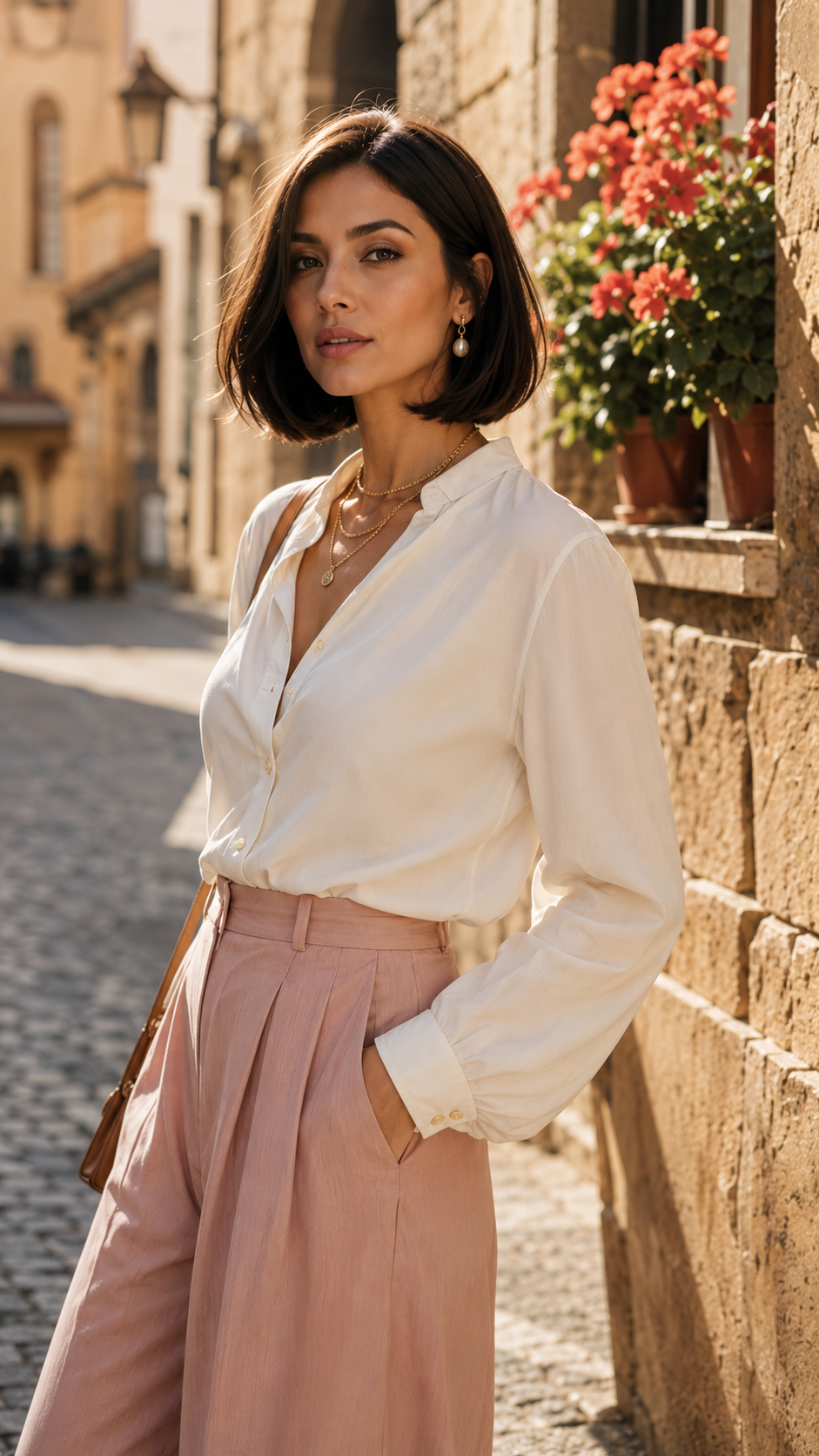
The chin-grazing length and soft inward curve create a flattering frame around the jaw and neck that draws attention to the face. The cut suits medium-length styling preferences because it sits in the sweet spot between too short and too long, providing versatility without the commitment of a dramatic chop.
Did You Know: The Italian bob originated in Roman and Milanese salons during the 1960s as a response to the rigid, heavily styled bobs popular in American salons at the time. Italian stylists intentionally softened the shape to allow natural movement, creating a cut that looked equally polished whether blown out or air-dried, which is exactly why it has resurged in an era that values effortless styling.
Why it works for effortless polish:
The soft curve means the Italian bob falls into shape with minimal intervention. A round brush blow-dry takes five minutes and lasts two days, while air drying produces a natural bend that still reads as styled.
- Best for: Women who want bob-length hair with a softer, less structured feel
- Hair type: Straight to wavy; fine to medium density benefits most from the inward curve
- Maintenance level: Medium; trims every 6 to 8 weeks to maintain the rounded shape
5. Pixie Cut with Textured Top
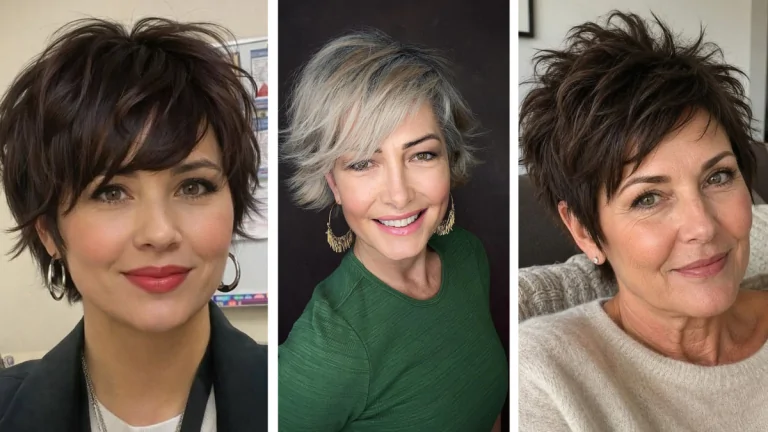
The textured pixie cut is the boldest option on this list but also the most liberating for women ready to eliminate hair maintenance from their daily routine entirely. The 2026 version features slightly more length on top with textured, piecey styling while keeping the sides and back cropped close.
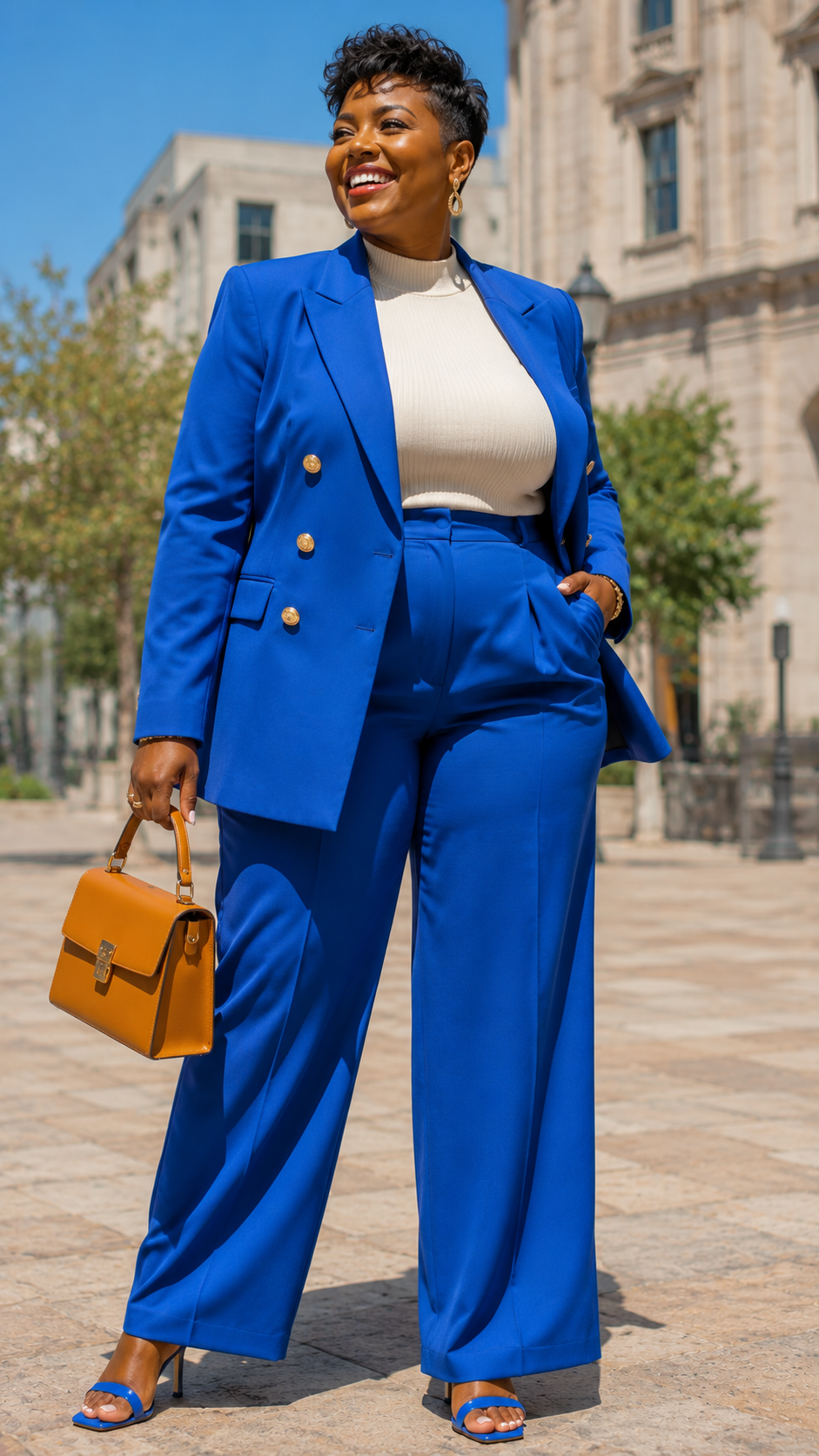
The extra length on top provides styling versatility that traditional close-cropped pixies lack. The top section can be swept to one side, pushed forward for a fringe effect, or textured upward for volume. Detailed pixie styling guidance and face shape pairing helps determine which version suits your features before making the commitment.
Warning: The grow-out phase from a pixie cut is the most challenging of any haircut, typically requiring six to twelve months of awkward transitional stages before reaching a wearable bob length. Commit to the pixie only if you are prepared to maintain the short length with regular trims or to navigate the grow-out with patience, strategic trimming, and headband styling.
Why it works for summer freedom:
The pixie cut eliminates heat on the neck, drastically reduces wash and dry time, and requires zero heat styling during summer months. The freedom is practical and immediate.
- Best for: Women ready for a dramatic change and minimal daily maintenance
- Hair type: All textures; naturally curly and wavy hair creates beautiful pixie texture
- Maintenance level: High frequency, low effort; trims every 4 to 6 weeks to maintain shape
6. Butterfly Cut for Volume and Movement
The butterfly cut creates dramatic volume and movement through strategic layering that starts with shorter, face-framing pieces at the collarbone and extends to longer lengths at the back. The name comes from the layered silhouette that resembles butterfly wings when the hair falls naturally.
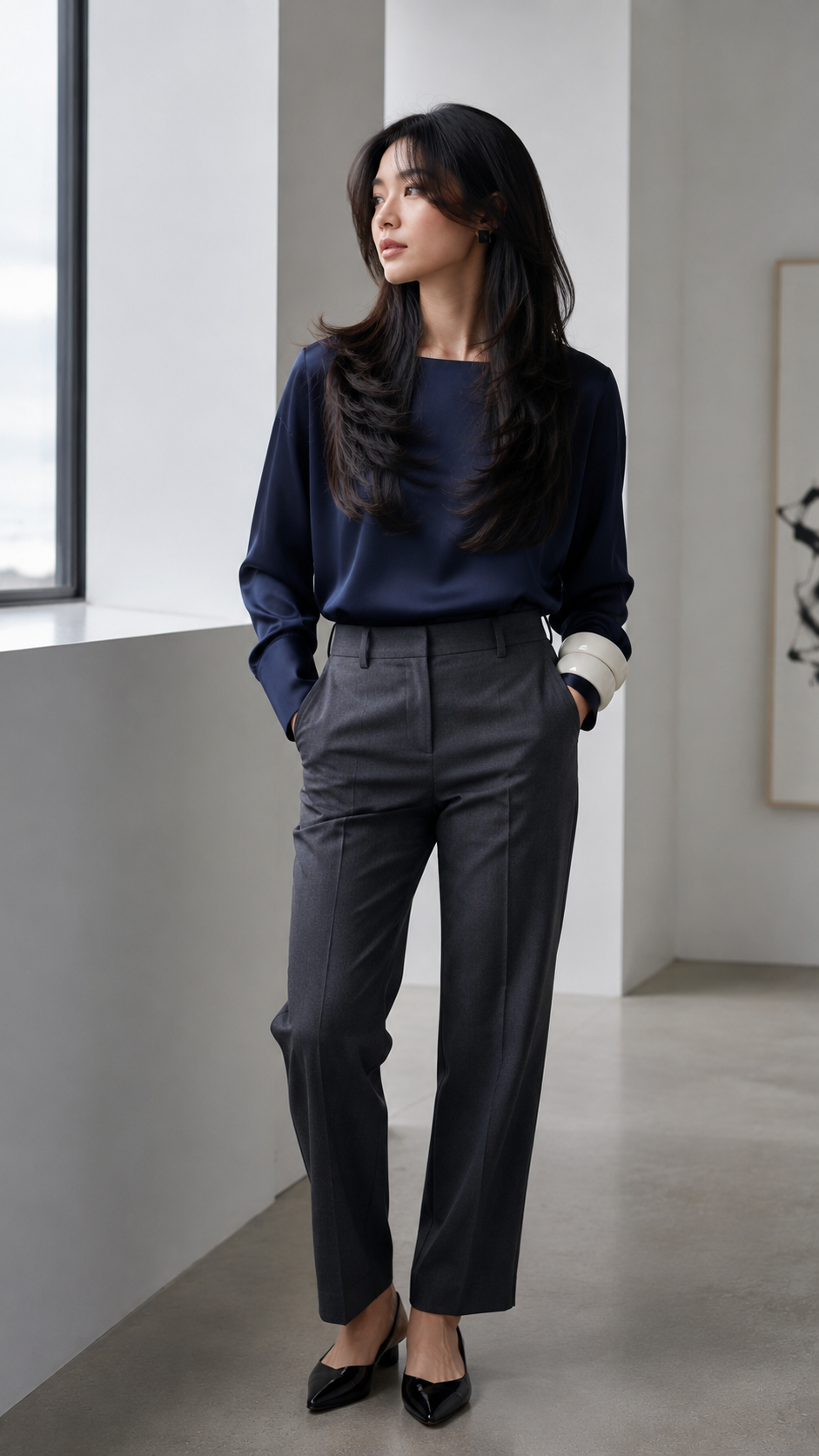
The cut works by removing internal weight that causes long hair to fall flat and lifeless, replacing it with defined layers that create bounce and dimension without losing overall length. This approach to long hair styling has become one of the most searched haircut techniques of 2026 because it solves the flatness problem that afflicts thick, heavy hair during humid summer months.
Common Mistake: Requesting butterfly layers without specifying where the shortest layer should fall can result in layers that start too high, creating a mullet-like silhouette rather than the flowing, cascading effect the cut is designed to produce. Always ask your stylist to keep the shortest layer at or below the collarbone to maintain the intended butterfly shape.
Why it works for volume-seeking hair:
The butterfly cut delivers the most dramatic volume transformation of any layered technique because it strategically removes weight at precise internal points while preserving the perimeter length.
- Best for: Women with thick, heavy, or flat-falling long hair who want movement
- Hair type: Thick, medium to coarse texture; straight and wavy hair shows layers most visibly
- Maintenance level: Low; trims every 10 to 12 weeks due to the long layered structure
7. Wolf Cut for Effortless Edge
The wolf cut combines the shag’s textured layers with the mullet’s longer back section, creating a hybrid silhouette that reads as deliberately undone with an edge that structured cuts cannot replicate. The 2026 version has softened from the extreme choppy versions of previous years into a more wearable, salon-friendly shape.
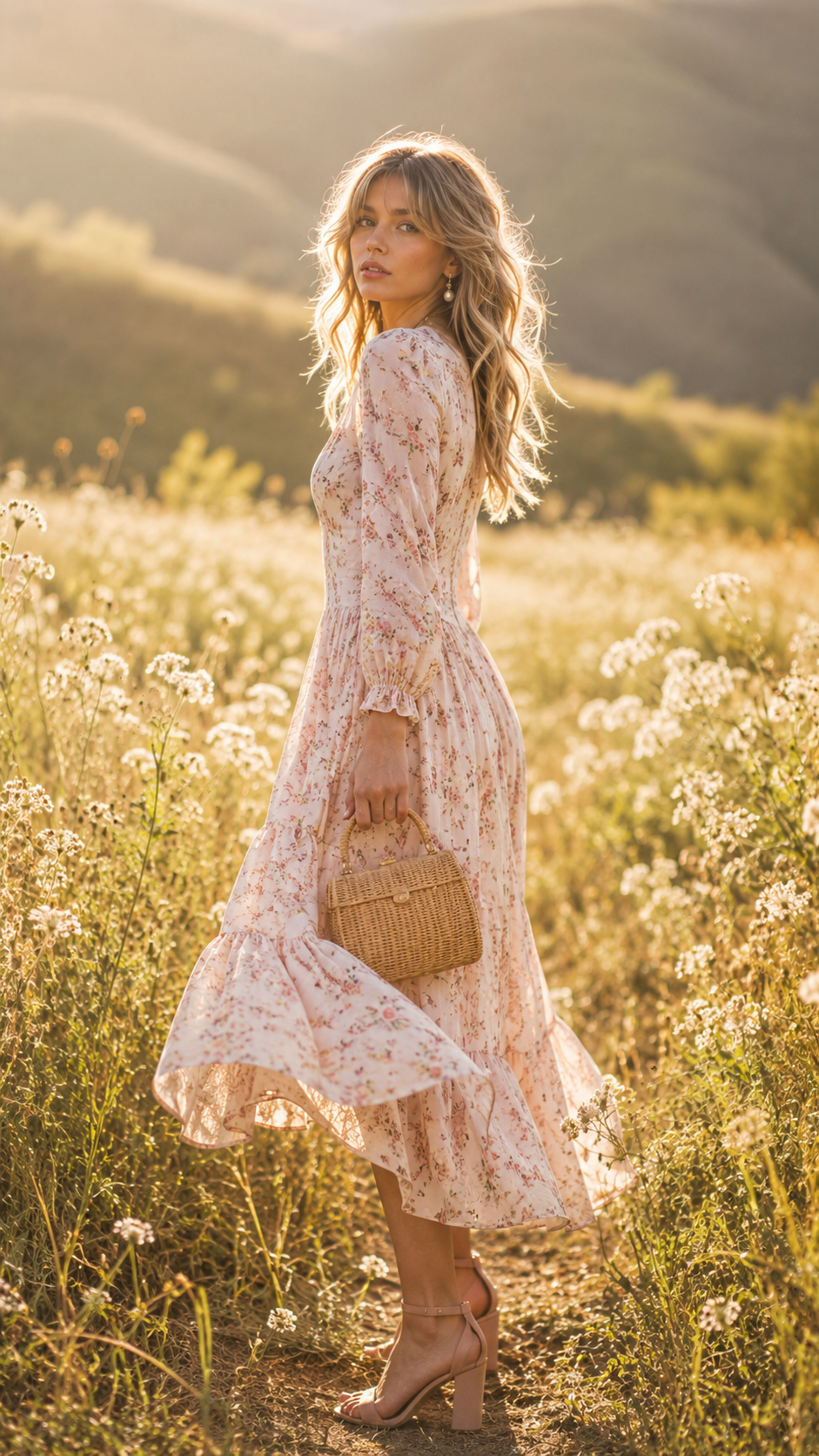
The cut works particularly well as an air-dry style because the layered construction creates natural texture and movement that improves without heat tool intervention. Adding a sea salt spray or texturizing mousse amplifies the lived-in effect. The wolf cut fits naturally within the spring summer hairstyle trends that celebrate natural texture over blow-dried precision.
Why it works for texture-loving style:
The wolf cut rewards natural hair texture rather than fighting against it. Curly, wavy, and coarse hair types often look better in a wolf cut than straight hair because the natural texture amplifies the cut’s designed movement.
- Best for: Women who prefer lived-in, textured styling over polished, smooth looks
- Hair type: Wavy, curly, and thick hair types get the most dramatic wolf cut results
- Maintenance level: Low; trims every 8 to 10 weeks; minimal daily styling needed
How to Communicate Your Dream Haircut to Your Stylist
Miscommunication in the salon chair is the primary cause of haircut disappointment, and preventing it requires preparation before the appointment begins. The gap between what a client describes verbally and what the stylist visualizes is wider than most people assume.
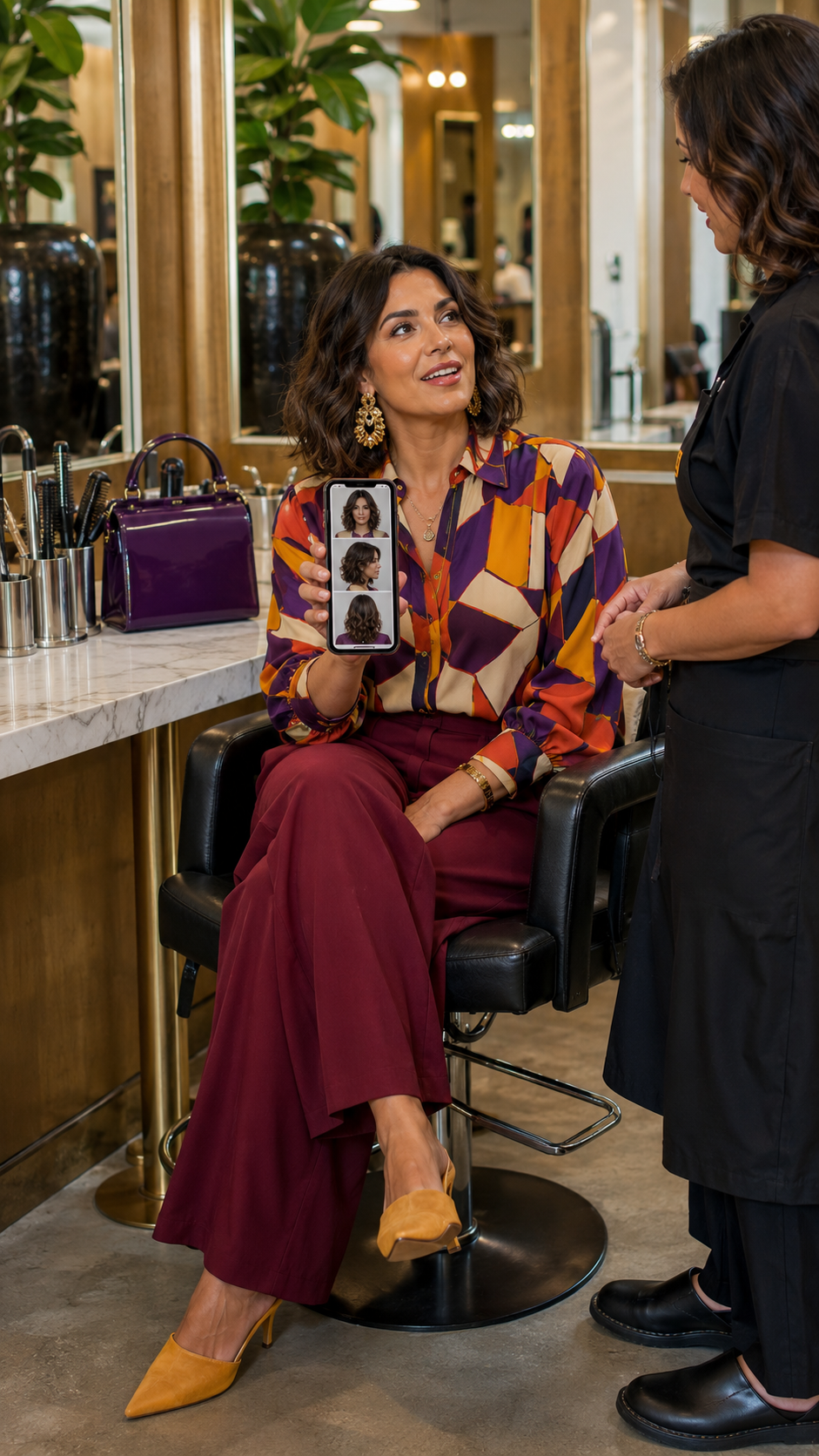
Bring three to five reference photos showing the desired cut from multiple angles, including front, side, and back views. Specify the exact length you want cut off rather than describing where you want the hair to fall, because perceptions of “shoulder length” or “chin length” vary significantly between client and stylist. Discussing whether you plan to heat-style daily or air-dry gives the stylist critical information about how to build the layers and texture for your actual routine. Pairing a new cut with a complementary hair color or balayage technique amplifies the impact of the haircut itself.
Important Note: Always mention any previous chemical treatments, including color, keratin, relaxers, or perms, during the consultation. These treatments change the hair’s internal structure and affect how the hair falls, holds shape, and responds to cutting techniques. Withholding this information leads to cuts that behave unpredictably once you leave the salon.
Summer Hair Maintenance Between Salon Visits
Summer conditions including sun, chlorine, saltwater, and humidity create specific maintenance challenges that standard hair care routines do not address. Adjusting your between-visit routine for summer conditions preserves both your haircut shape and your hair’s overall health.
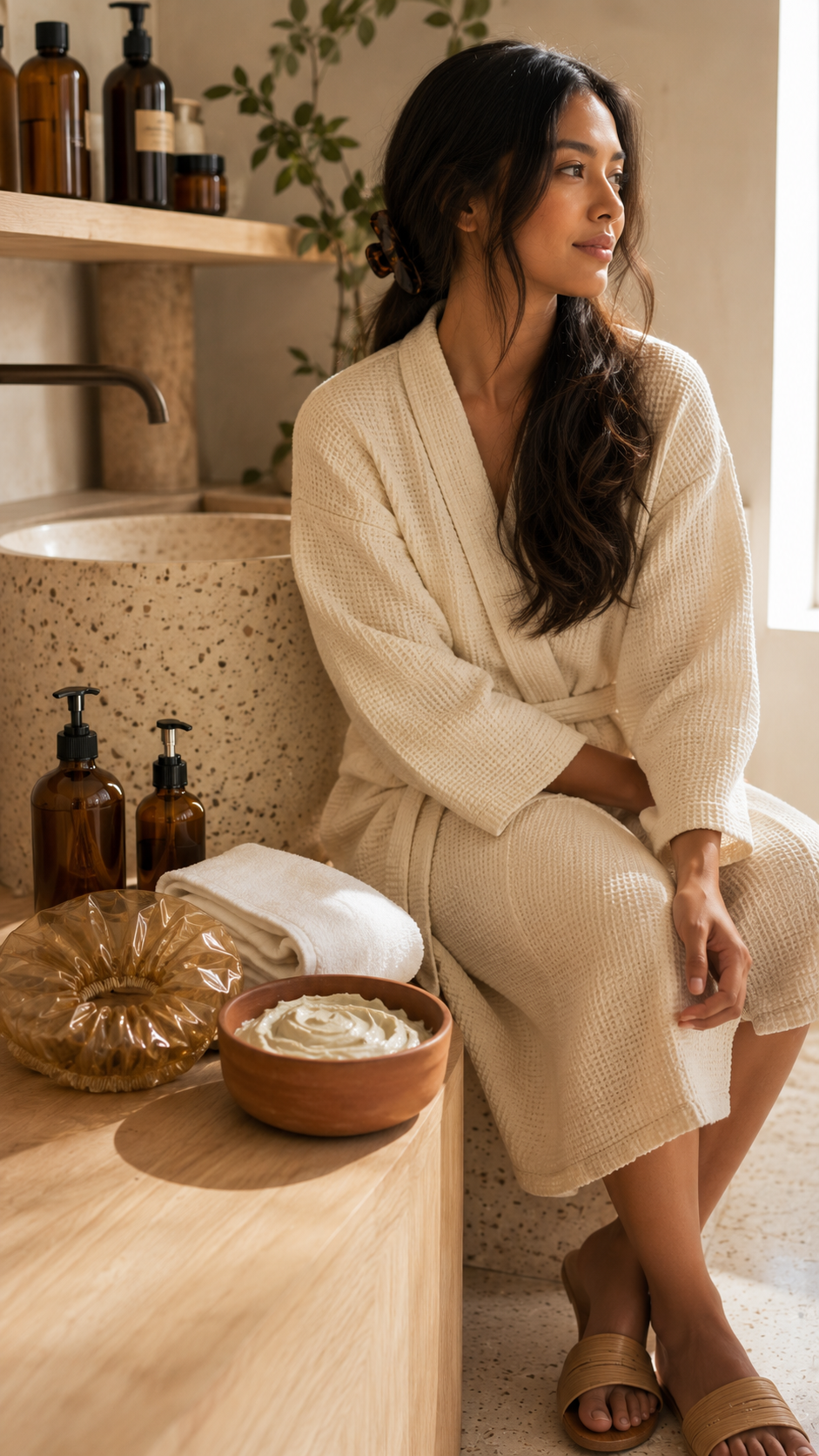
Reducing wash frequency to two or three times per week prevents the stripping of natural oils that sun and heat already deplete. Using a leave-in conditioner with UV protection shields hair from the same photodamage that affects skin during outdoor activities. Building these steps into a comprehensive healthy hair routine and investing in quality styling tools that minimize heat damage ensures your summer haircut looks salon-fresh for weeks rather than days.
Try This: Apply a deep conditioning mask once weekly during summer months, leaving it on for fifteen minutes under a shower cap while the heat from the cap intensifies absorption. This single habit can reverse the dryness and brittleness that sun and chlorine cause between salon visits.
Which Face Shapes Work Best with 2026’s Trending Cuts
Every haircut on this list can be adapted to suit different face shapes, but certain cuts naturally complement specific facial structures more effectively than others. Understanding your face shape before choosing a cut prevents the common mistake of selecting a style based purely on trend appeal.

| Face Shape | Best Cuts from This List | Why It Flatters | Cuts to Approach Carefully |
|---|---|---|---|
| Oval | All 7 cuts work well | Balanced proportions suit any silhouette | No restrictions; oval is the most versatile face shape |
| Round | Modern shag, long layers, wolf cut | Layers create vertical lines that elongate | Blunt chin-length bob (emphasizes width) |
| Square | Italian bob, curtain bangs, shag | Soft layers and curves soften strong jaw | Blunt bob without softening (amplifies angles) |
| Heart | Italian bob, chin-length bob, butterfly | Width at chin level balances narrow jaw | Very short pixie (exposes wide forehead) |
| Long/Oblong | Blunt bob, curtain bangs, textured pixie | Horizontal lines and volume add width | Very long layers without bangs (elongates further) |
| Diamond | Curtain bangs, Italian bob, shag | Face-framing pieces soften cheekbones | Slicked-back styles (emphasize angular bones) |
These pairings serve as starting guidelines rather than rigid rules. Consulting with an experienced stylist who specializes in face-shape-flattering cuts and modern cutting techniques ensures the chosen cut is customized to your specific proportions rather than applied as a template.
Summer haircuts in 2026 reward women who choose texture over rigidity, movement over precision, and air-dry-friendly cuts over heat-dependent styles. Pick the silhouette that matches your hair type and lifestyle, communicate clearly with your stylist, and let the cut work with summer conditions rather than against them.