Shaggy Haircuts You will Love for Summer 2026 Trendy Textured Styles: 7 Must-Try Looks for Warm-Weather Confidence
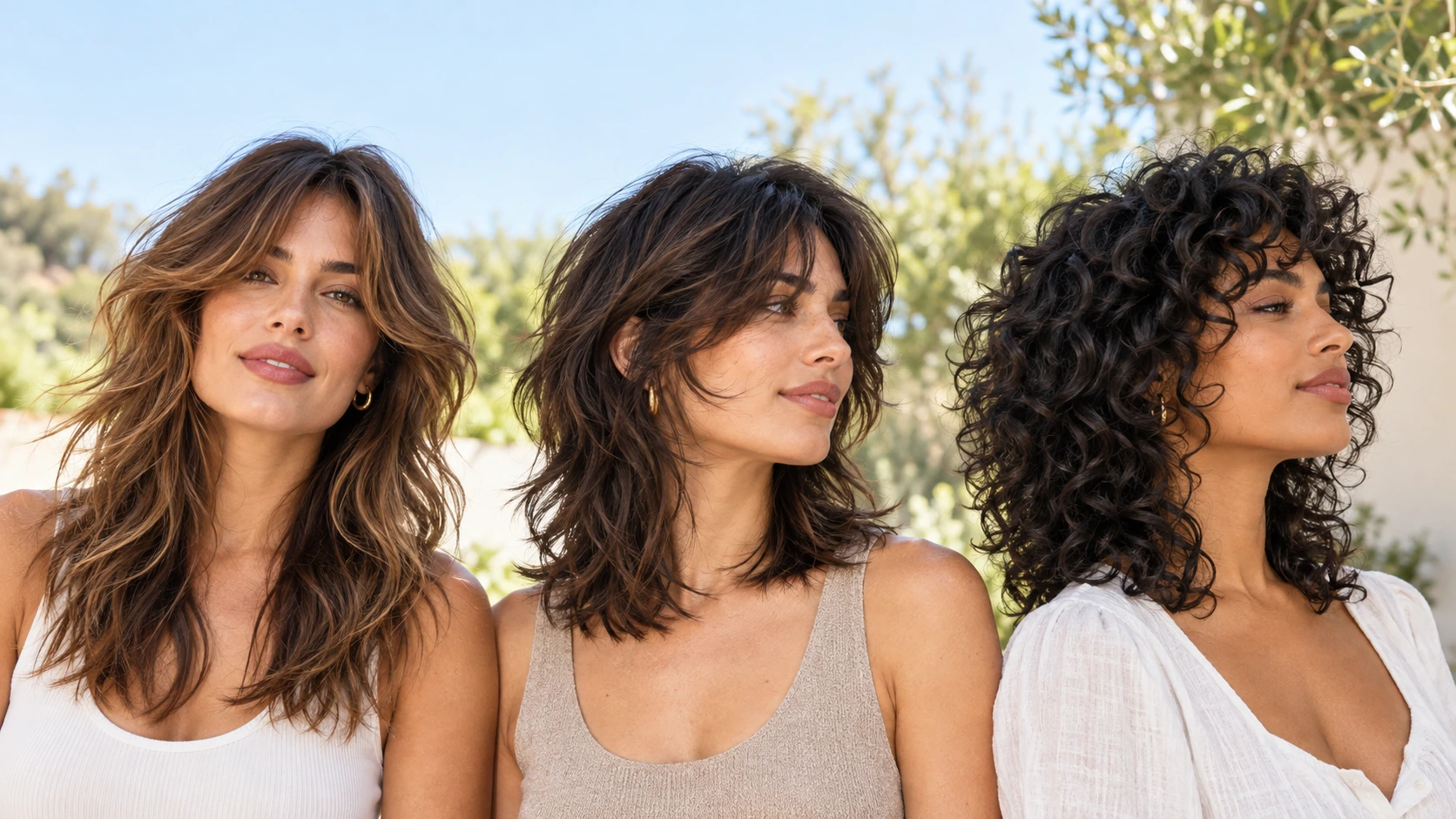
The shaggy haircut has moved from a retro novelty into the single most requested textured style in salons for summer 2026, yet most women still hesitate because the word “shag” conjures images of uncontrollable volume and 1970s excess rather than the modern, refined versions that actually dominate today’s trend landscape. The gap between what a shag used to mean and what it means now is exactly where the confusion lives.
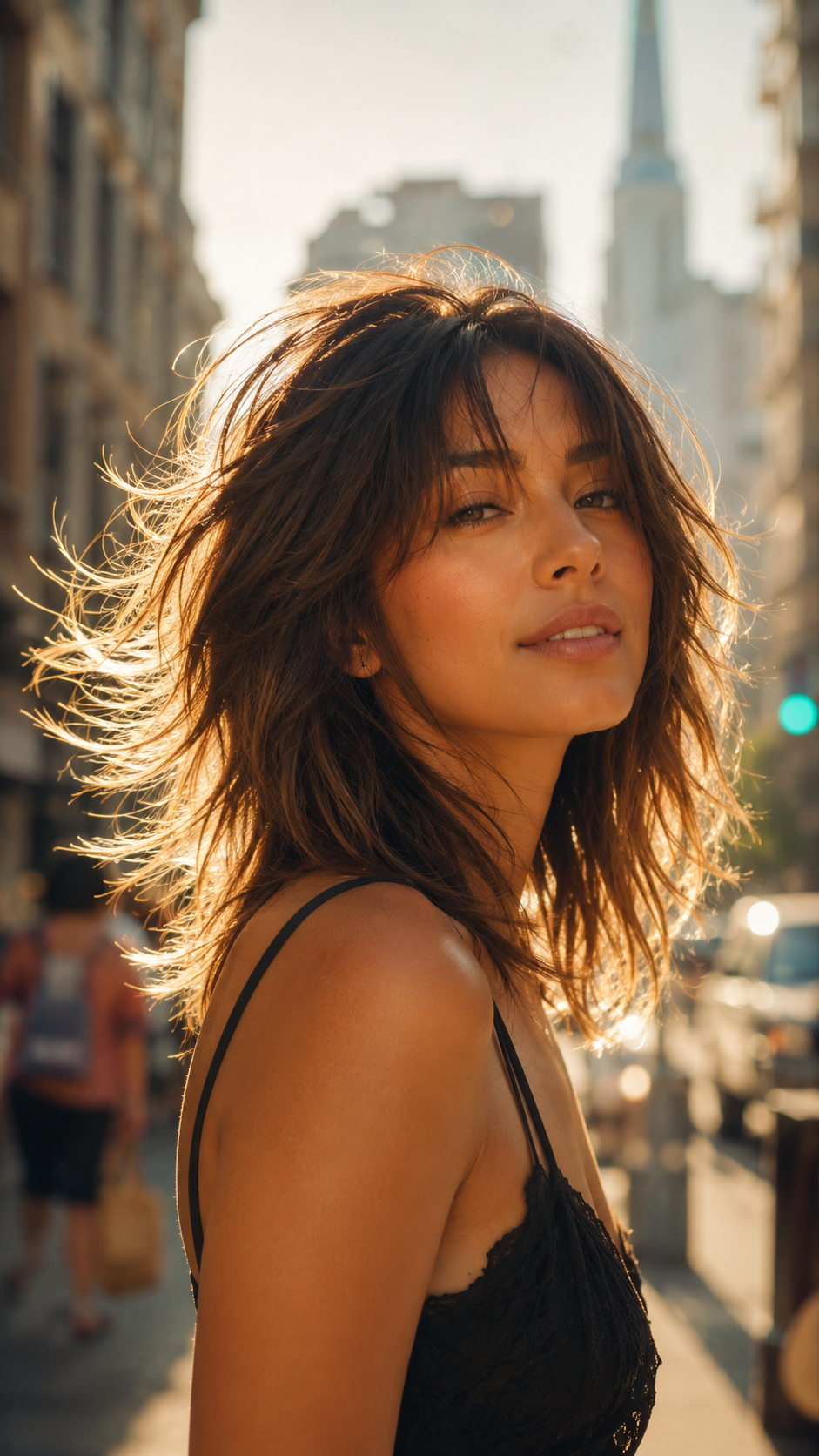
These seven shaggy haircut variations are designed for real summer conditions, where humidity, air drying, and minimal styling effort define the daily reality. Each version addresses a different hair type, length preference, and maintenance tolerance, proving that the shag family has a cut for virtually every woman. The modern shag movement has evolved so far from its origins that the only remaining connection is the layered, textured DNA that makes every version work beautifully without heat tools.
1. The Soft Modern Shag with Face-Framing Curtain Layers
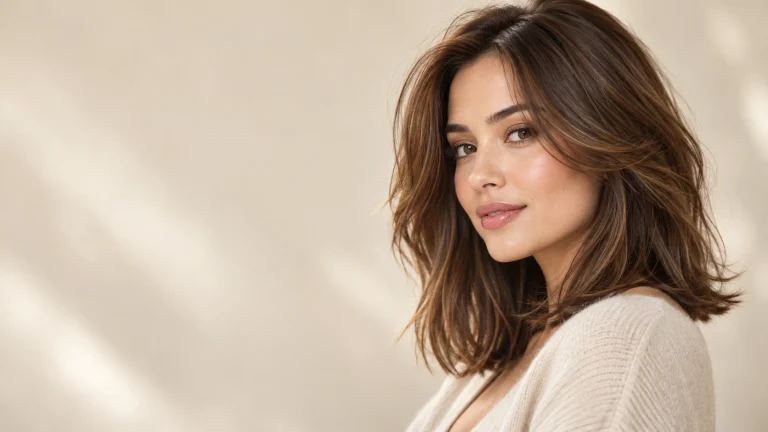
The soft modern shag takes the classic shag structure and smooths every edge, creating a cut that delivers texture and movement without any of the choppy harshness that makes traditional shags polarizing. The face-framing curtain layers blend seamlessly from the cheekbones into the body of the hair, adding dimension without visible disconnection.
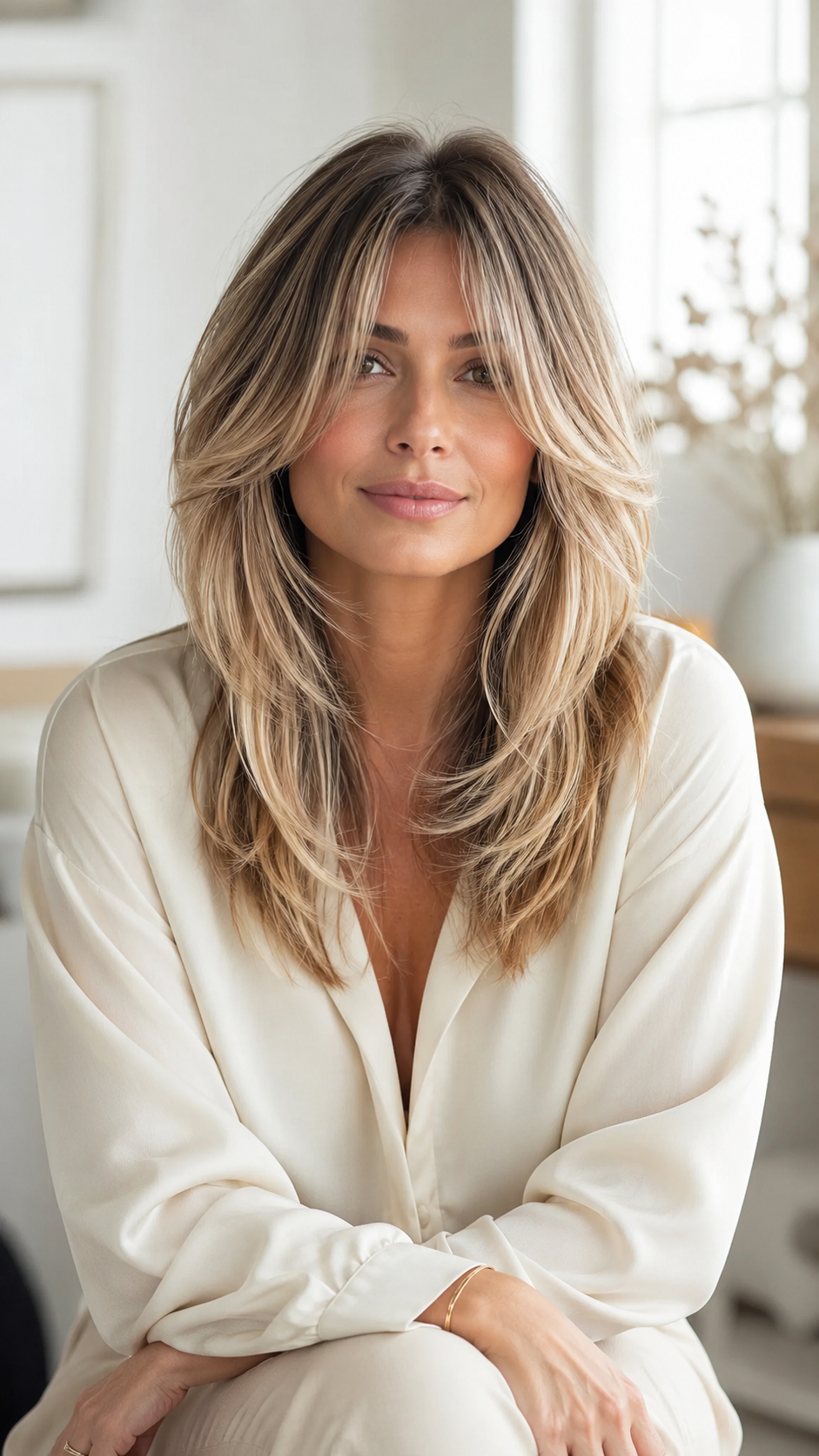
This version suits women who want the benefits of shag layering, including volume, movement, and air-dry friendliness, without committing to the dramatic, heavily textured look. The softened transitions between layers mean the cut reads as a well-layered haircut rather than a statement shag, which makes it appropriate for professional settings and conservative environments. Pairing this cut with curtain bang styling techniques amplifies the face-framing effect while keeping the overall aesthetic polished and approachable.
Pro Tip: When requesting a soft modern shag, tell your stylist you want “blended layers with a shag silhouette” rather than simply asking for a shag. This language communicates the softened version and prevents a stylist from defaulting to the choppier, more dramatic interpretation that traditional shag references often trigger.
2. The Textured Mid-Length Shag
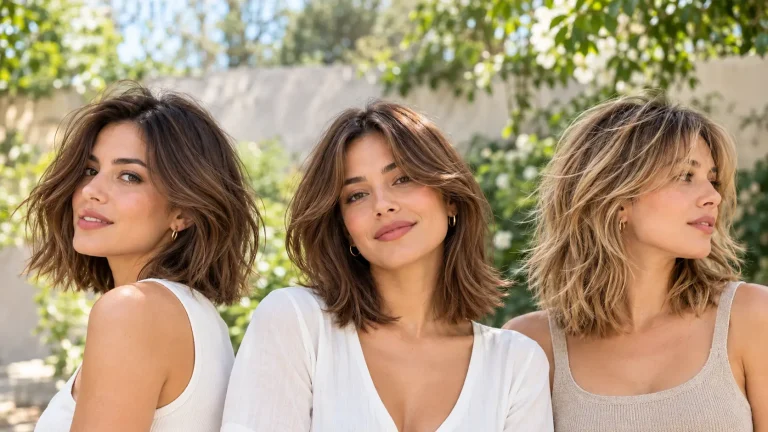
The mid-length shag, falling between the chin and collarbone, has become the most popular shag length in 2026 because it provides enough hair to pull into a ponytail while maintaining the layered texture that makes the style work. The mid-length version catches the sweet spot where layers create maximum movement without removing too much overall density.
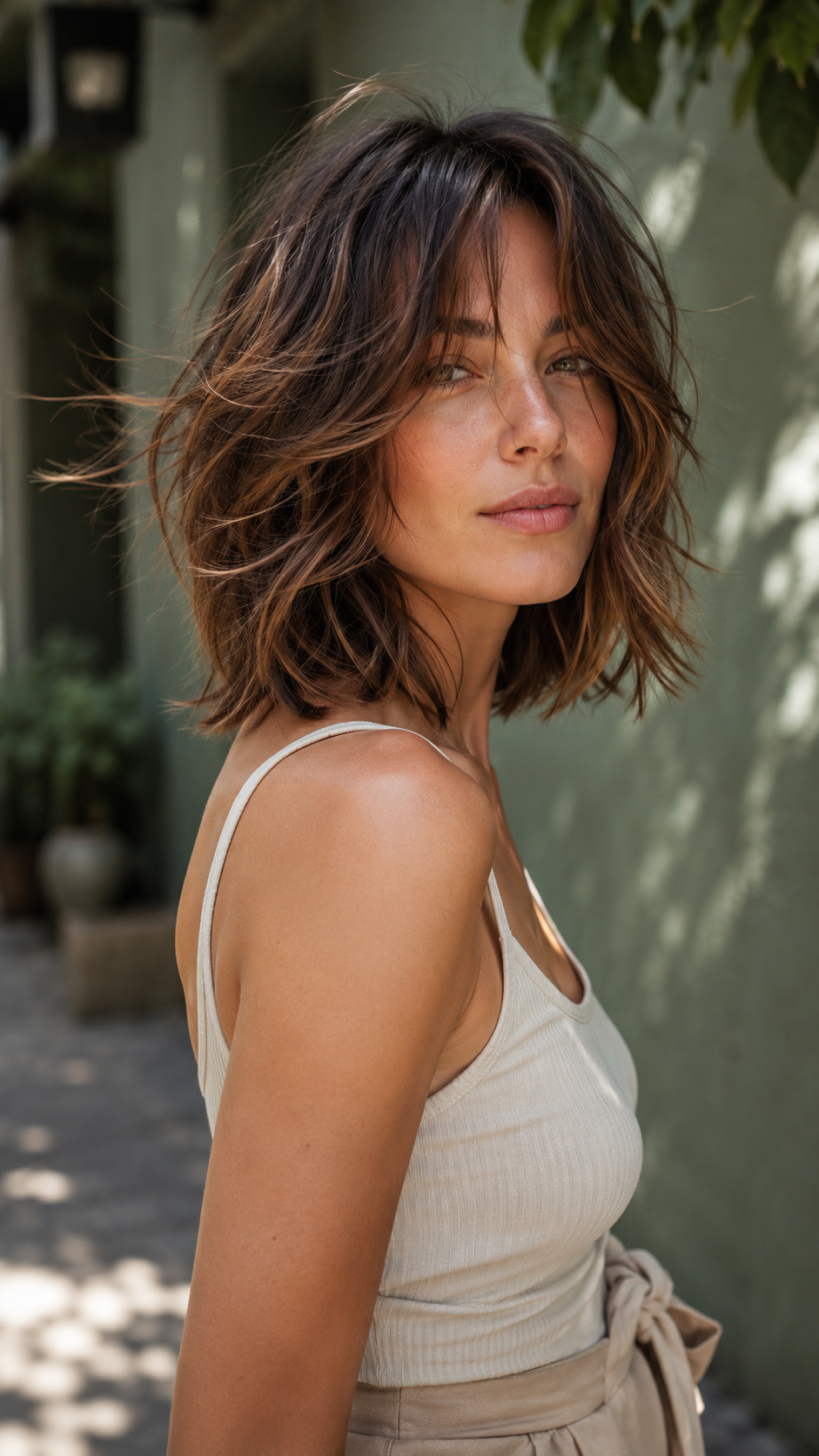
I switched to this exact cut earlier this year after wearing a single-length lob for two seasons, and the most immediate change was how much body and dimension the layers added to hair that previously fell flat by midday. The key technical detail is having the shortest interior layer start at the cheekbone rather than the crown, which creates the shag’s signature volume distribution without the extreme mullet-adjacent shape that crown layers sometimes produce. This length works seamlessly with the mid-length styling approaches trending in 2026, where effortless texture has replaced precision blow-outs as the default finished look.
3. The Long Shag for Length Lovers
The long shag preserves hair length past the collarbone while adding the internal layering and face-framing texture that prevents long hair from falling into a flat, heavy curtain. This version allows women to keep the length they have spent years growing while gaining the volume and movement that one-length long hair structurally lacks.

The layers in a long shag start lower than in shorter versions, typically beginning at the collarbone and cascading through the mid-lengths and ends. This placement preserves the visual weight of long hair while selectively removing internal bulk where it creates flatness. Exploring layered techniques designed specifically for long hair reveals how strategic interior layering transforms heavy, lifeless long hair into hair that responds to natural movement and air drying.
Did You Know: The original 1970s shag was designed exclusively for medium-length hair by New York stylist Paul McGregor, who created the cut for actress Jane Fonda. The long shag variation did not emerge until the 1990s when grunge culture adopted the textured layering for below-shoulder lengths, creating the foundation for the modern long shag that dominates 2026 salons.
4. The Curly Shag for Natural Texture
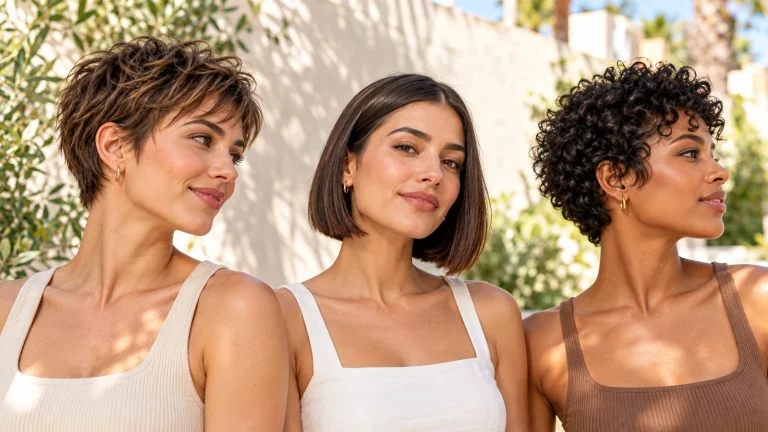
The curly shag is arguably the most transformative shag variation because it works with curl patterns rather than fighting them, which is the opposite approach of most traditional layered cuts. The layers are cut into the curl clumps specifically to reduce bulk, enhance curl definition, and create a shape that frames the face without the triangle effect that one-length curly hair develops.
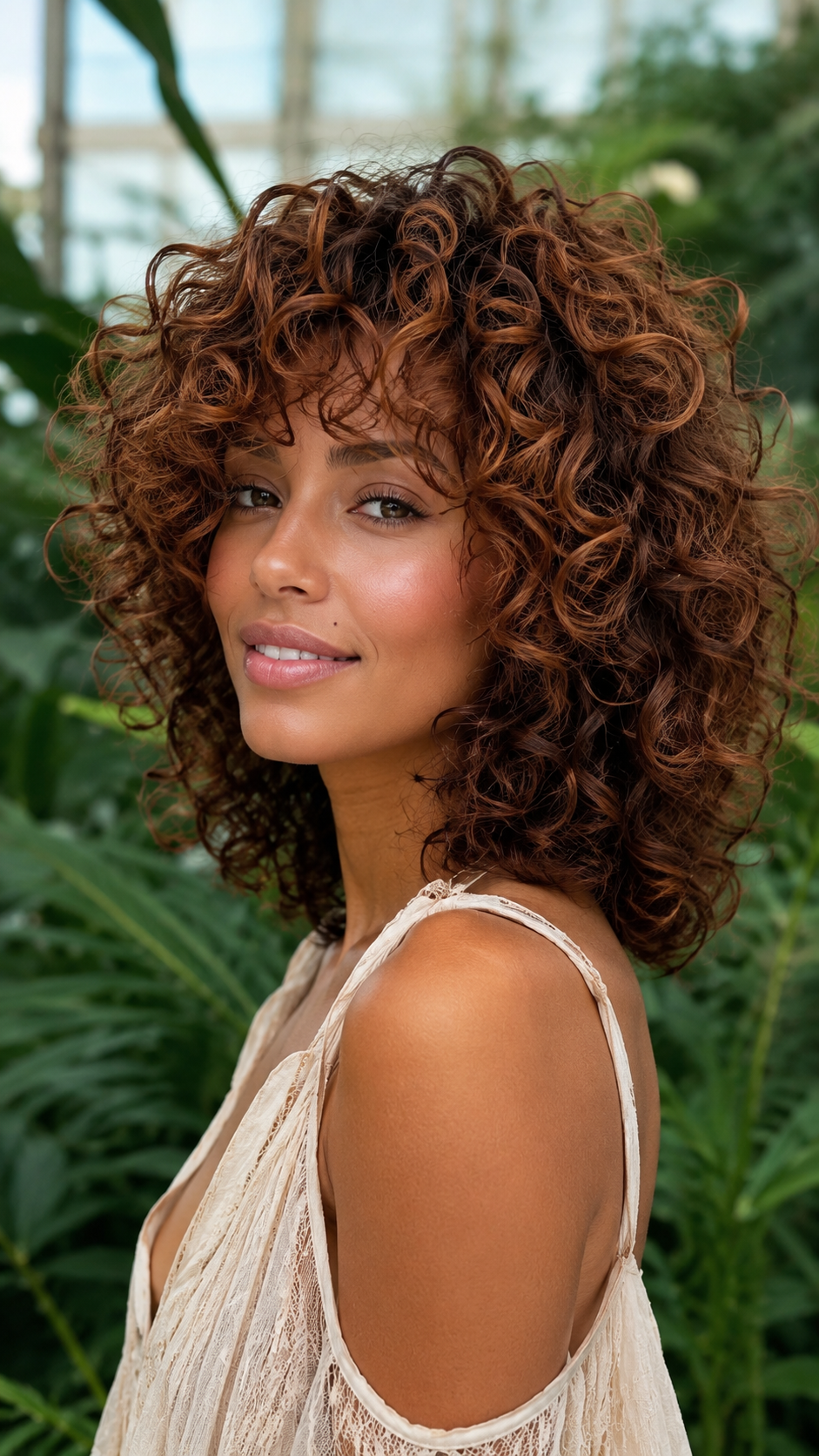
A stylist who specializes in textured hair explained that the curly shag must be cut dry, with each curl individually shaped, because wet cutting curly hair does not account for the shrinkage that occurs as curls dry and spring upward. The layering technique removes weight from specific sections to allow each curl to define independently rather than being weighed down by surrounding hair. This approach aligns with the texture-celebrating hairstyle movement that has pushed salons to offer specialized curly cutting services.
Warning: Never allow a stylist to use thinning shears on curly hair when creating a shag. Thinning shears cut random strands at varying lengths within each curl clump, which creates frizz halo, disrupts curl pattern formation, and produces undefined flyaways that worsen in humidity. The correct technique uses point cutting or slide cutting to remove bulk while preserving each curl’s structural integrity.
5. The Choppy Shag with Micro Bangs
The choppy shag paired with micro bangs delivers the most editorial, fashion-forward version of the shag for women who want a cut that makes a deliberate style statement. The combination of heavily textured layers and above-eyebrow fringe creates a bold, retro-modern aesthetic that photographs exceptionally well.
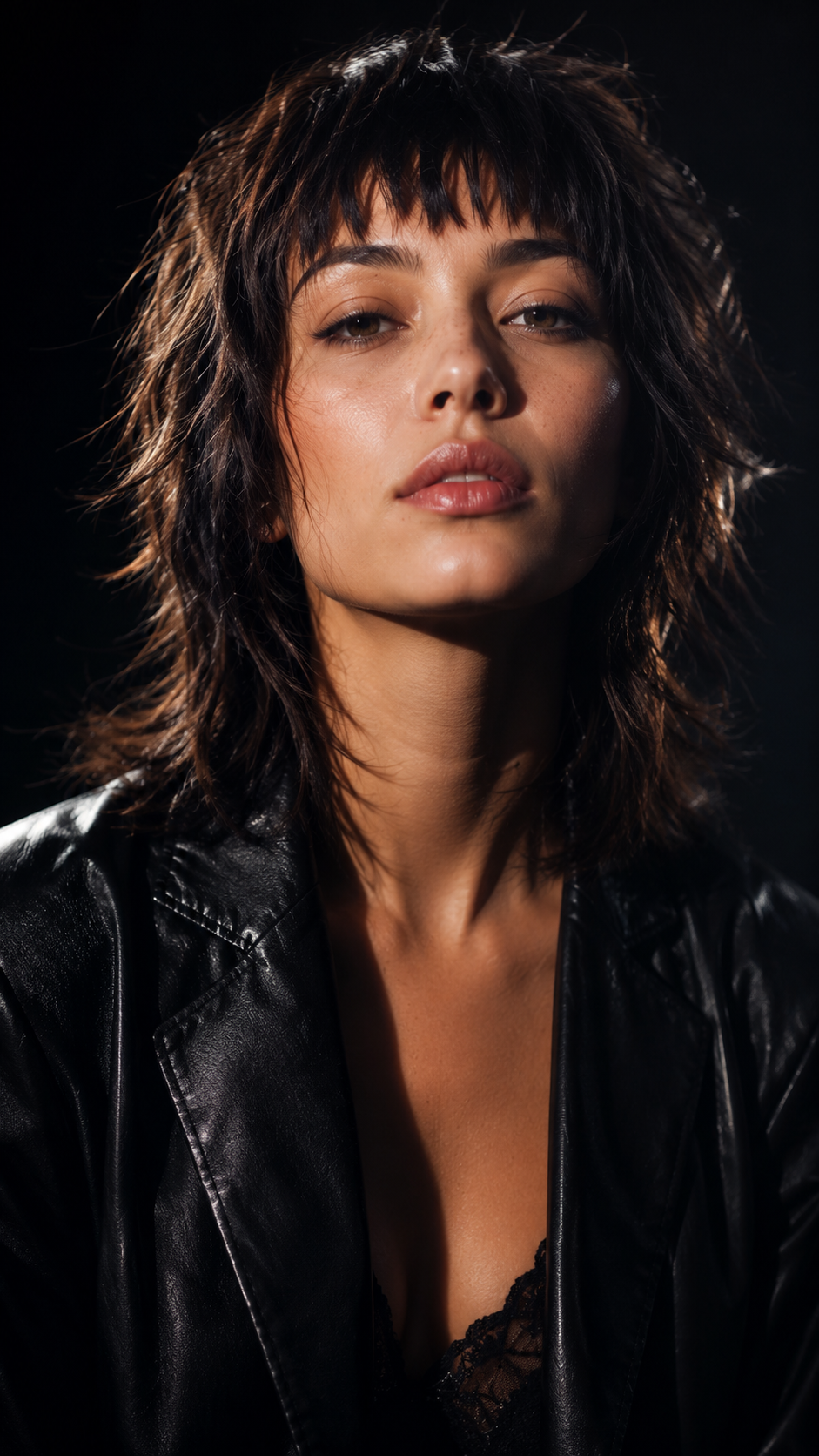
This version demands confidence because it is the least subtle option on this list; the choppy layers create visible texture throughout the hair, and micro bangs are a commitment that takes four to six months to grow out. The payoff is a cut that turns heads and establishes an immediate personal style identity. The choppy shag connects to the trend-forward cutting techniques dominating editorial and street style photography in 2026.
6. The Shaggy Bob (Shob)
The shaggy bob, sometimes called a “shob,” combines the structured length of a chin-to-jaw bob with the textured, undone layering of a shag, creating a hybrid that delivers polish and edge simultaneously. The structured perimeter maintains the bob’s clean shape while the interior layers add the movement and volume that standard bobs lack.
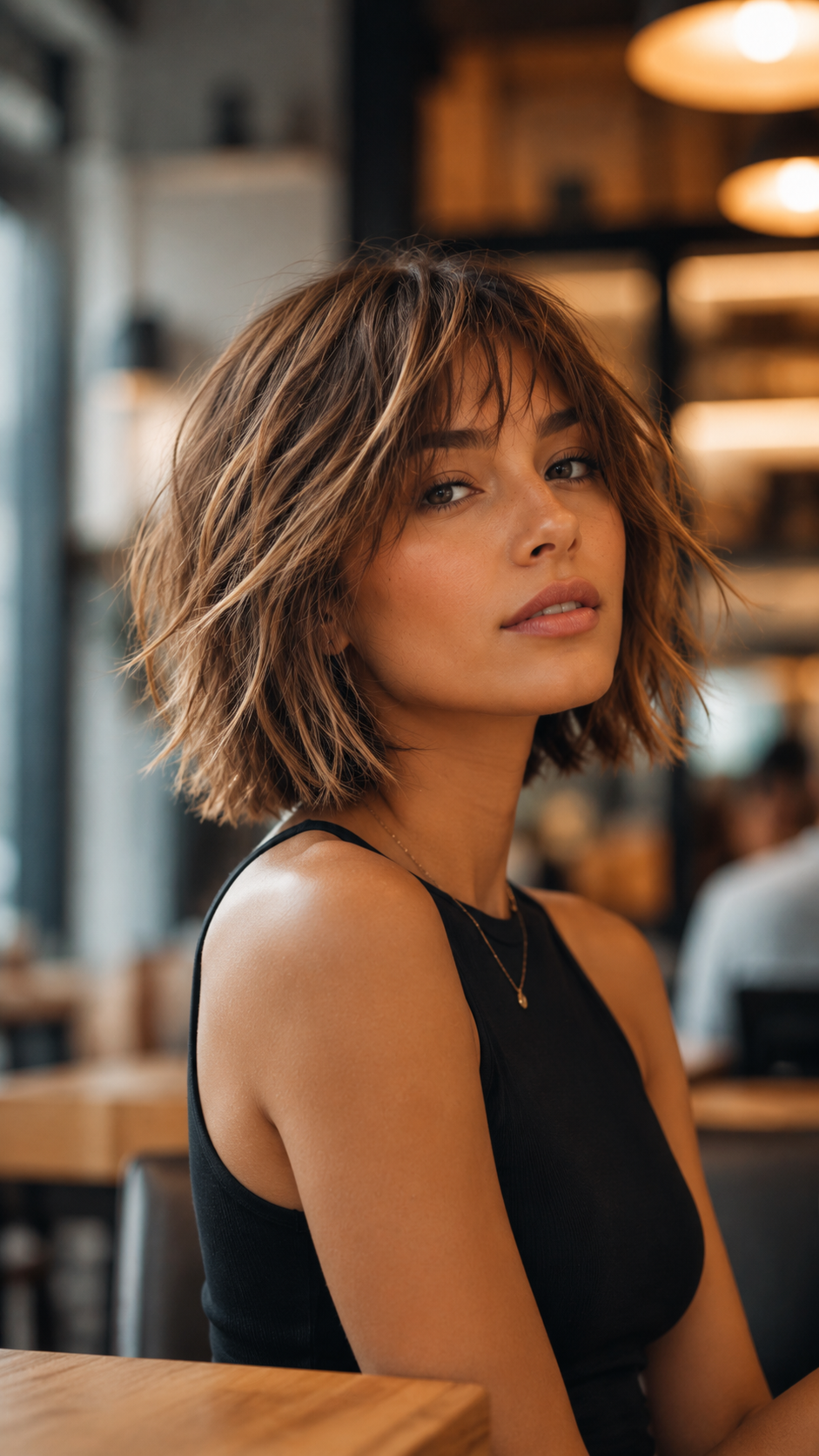
I noticed the shob gaining momentum on salon boards throughout the spring, and the versions that work best maintain a visible bob outline while building texture exclusively through the interior. The exterior line should still read as a bob from a distance, with the shag character revealing itself through movement and texture as the hair falls naturally. This hybrid approach has become one of the most requested cuts among bob enthusiasts who want to add personality to the silhouette without losing the bob’s structured identity.
Common Mistake: Cutting the shaggy bob too short in the back while maintaining length at the front creates a mullet rather than a bob with shag texture. The perimeter length should remain relatively even around the head, with all the textured layering built internally rather than through perimeter length variation.
7. The Shag with Curtain Bangs and Wispy Ends
The shag with curtain bangs and wispy, thinned-out ends creates the most romantic, soft variation available. The curtain bangs frame the face with a center-parted sweep while the wispy ends add an airy, feathered quality that catches light and creates movement with the slightest breeze.
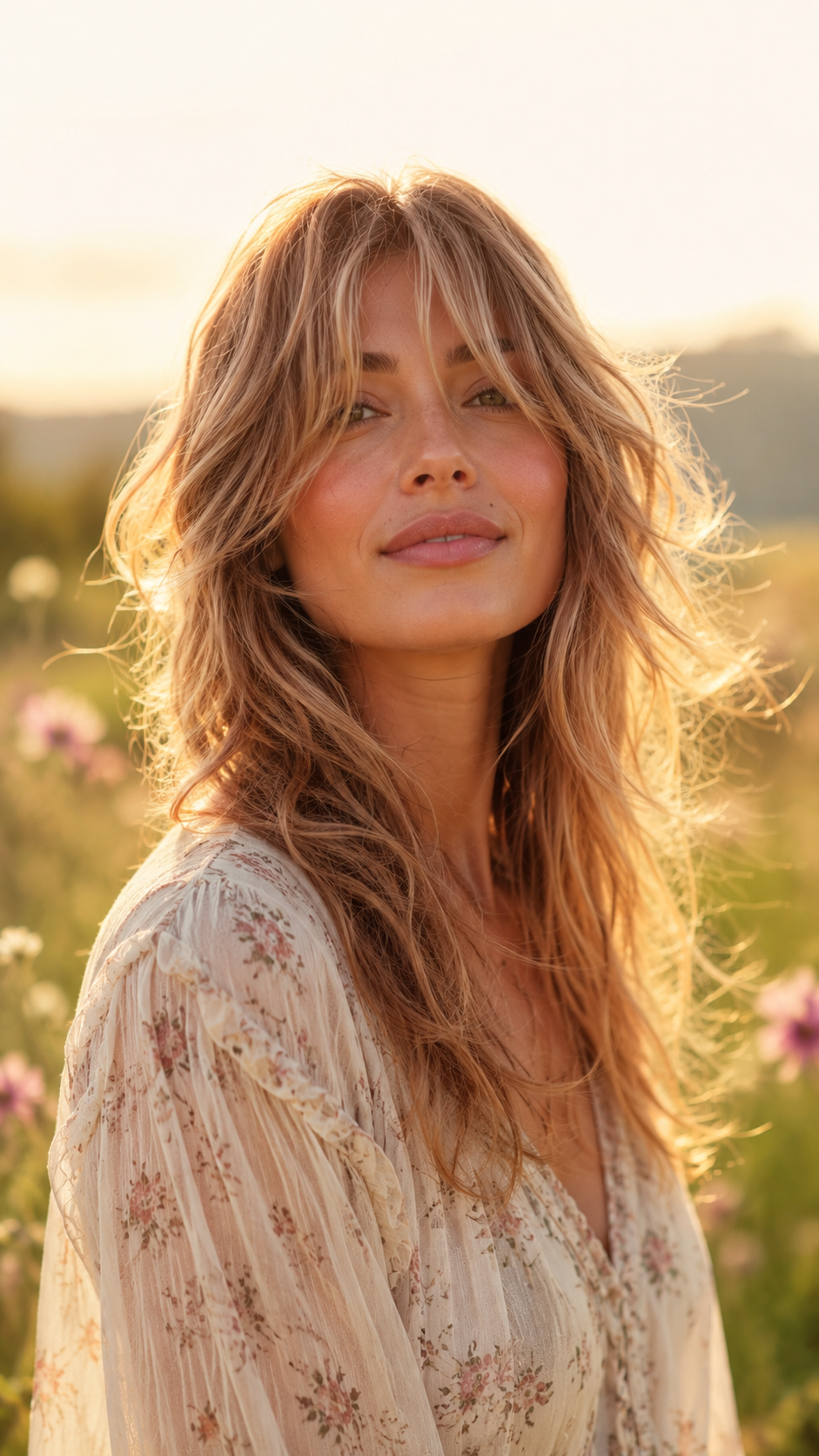
This version works particularly well for fine and medium-density hair because the wispy ends create the illusion of fullness through separation and movement rather than through volume alone. The curtain bangs grow out gracefully over eight to ten weeks without an awkward intermediate stage, which reduces maintenance frequency compared to blunt or micro bang options. Pairing this shag variation with the trending summer hairstyles emphasizes the effortless, undone quality that defines the entire 2026 hair aesthetic.
All 7 Shag Variations at a Glance
| Shag Variation | Best Hair Type | Length Range | Maintenance | Statement Level |
|---|---|---|---|---|
| Soft modern shag | All types; fine to medium | Any length | Low; trims every 8-10 weeks | Subtle, professional-friendly |
| Textured mid-length | Wavy, straight, thick | Chin to collarbone | Low; trims every 8-10 weeks | Medium, versatile |
| Long shag | Thick, heavy, straight/wavy | Below collarbone | Low; trims every 10-12 weeks | Subtle, length-preserving |
| Curly shag | Curly, coily, wavy | Any length | Medium; dry cuts every 8 weeks | Medium to bold |
| Choppy with micro bangs | Medium to thick, any texture | Shoulder length | High; bang trims every 4 weeks | Bold, editorial |
| Shaggy bob (shob) | All types; fine to thick | Chin to jaw | Medium; trims every 6-8 weeks | Medium, structured edge |
| Curtain bangs + wispy ends | Fine, medium density | Any length | Low-medium; bang trims 6-8 weeks | Soft, romantic |
How to Style a Shag Cut in Under Five Minutes
The shag’s greatest advantage is its air-dry capability, but a few minutes of intentional product application transforms air-dried texture from “I did not style my hair” into “I styled my hair to look effortlessly undone.” The distinction is subtle but significant.
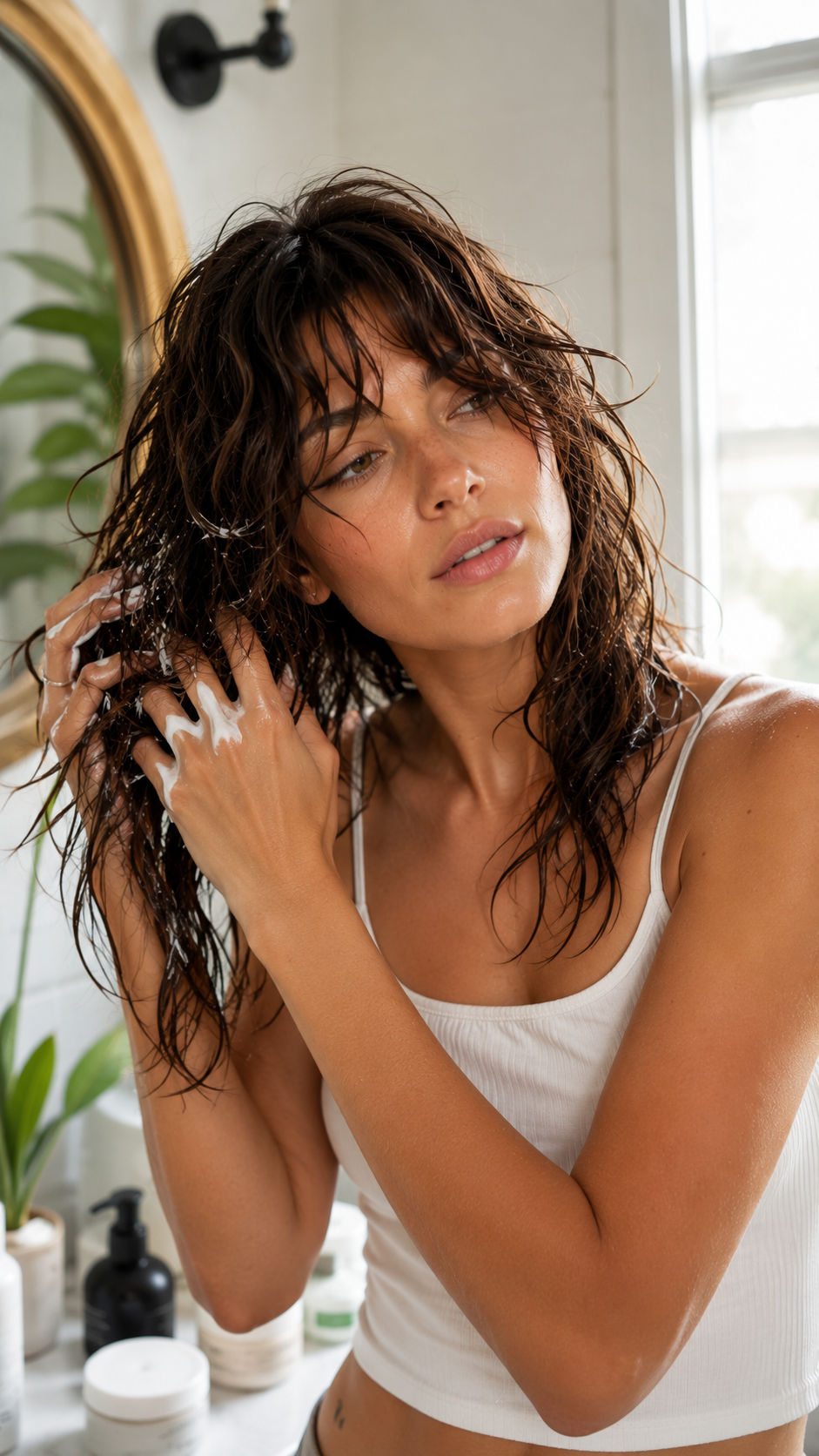
Apply a golf-ball-sized amount of styling mousse or texturizing cream to damp hair, scrunching from ends to roots to encourage natural wave and curl formation. Allow the hair to air dry completely before touching it; disrupting the drying process creates frizz rather than defined texture. For a slightly more polished finish, use a diffuser attachment on low heat for three minutes to enhance volume at the crown. The right styling tools and products designed for textured cuts amplify the shag’s natural movement without fighting its intended shape.
Try This: Skip styling products entirely on day two or three after washing and instead scrunch a few drops of lightweight oil into the ends. Second and third-day shag texture often looks better than freshly styled hair because the natural oils and overnight movement create the lived-in quality that makes shags look their best.
Shag Maintenance: Keeping the Cut Sharp Through Summer
Shag cuts require less frequent trims than precision cuts because the textured, undone aesthetic actually benefits from slight overgrowth between appointments. However, specific maintenance habits determine whether the cut ages gracefully or deteriorates into shapelessness.
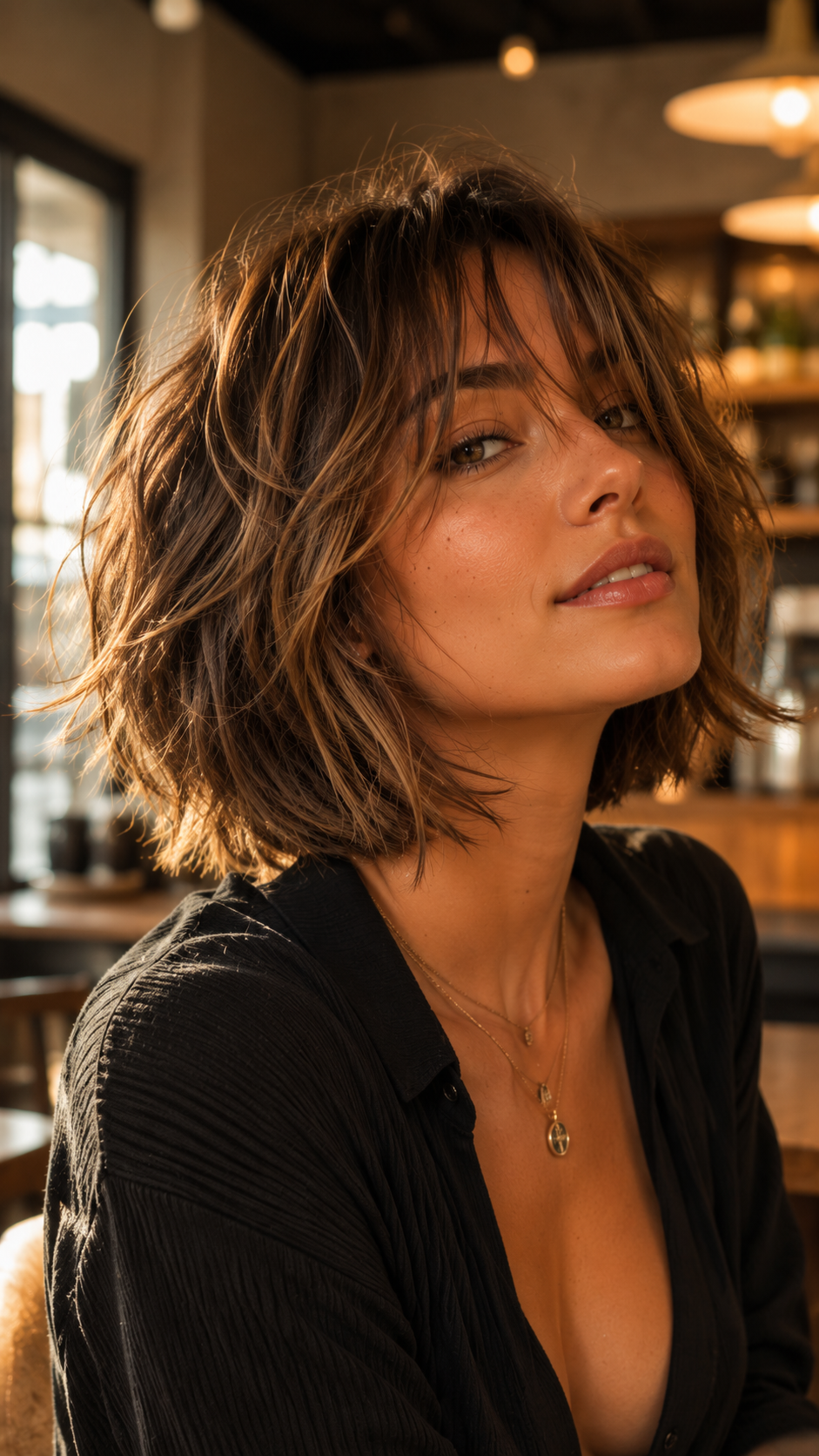
The face-framing layers are the first elements to lose their shape, so requesting a “layer refresh” at the six-week mark without a full cut preserves the framing while letting the body of the hair continue growing. Investing in a healthy hair routine during summer months prevents the dryness and split ends that make textured cuts look damaged rather than deliberately undone. Pairing regular trims with growth-supporting treatments ensures the hair between trims remains strong enough to hold the cut’s layered structure.
Important Note: Shag cuts that have grown out beyond twelve weeks without a trim often cannot be “fixed” with a single appointment because the layers have lost their original proportional relationship. Staying within the recommended trim window for your specific variation prevents the need for a full re-cut that removes more length than a simple maintenance trim would have.
Why the Shag Has Become the Defining Cut of Summer 2026
The shag’s dominance in summer 2026 is not a coincidence; it is the direct result of three converging forces that have reshaped how women approach hair styling. The demand for low-maintenance cuts, the embrace of natural texture over heat-styled perfection, and the desire for cuts that look good without daily effort have all pointed toward the shag family.
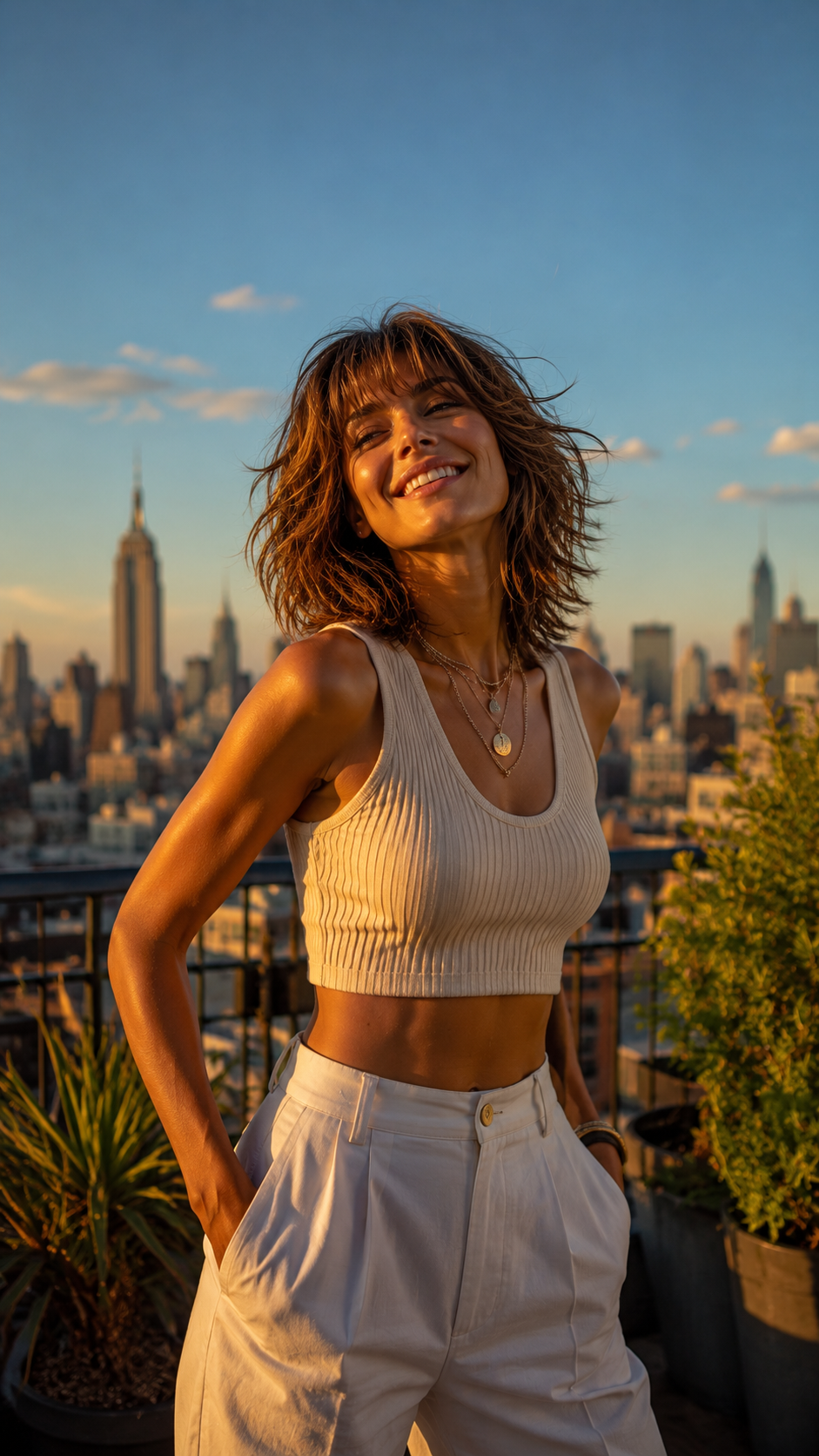
Salon booking data from the first half of 2026 shows shag-related searches and requests increasing by over 40 percent compared to the same period in 2025. The growth spans every age group and hair type, confirming that the shag’s appeal is universal rather than demographic-specific. The same summer-specific hair trends that have pushed short hair toward textured, low-effort styling apply equally to the shag category, where the cut itself does the styling work that tools and products previously handled. Pairing the right shag variation with a complementary summer hair color creates a fully customized look that requires minimal daily maintenance.
Did You Know: The word “shag” as a haircut term was first used in 1971 when hairstylist Paul McGregor created the original cut for a New York editorial shoot. Over fifty years later, the shag has been reinvented more times than any other haircut in history, with the 2026 versions bearing almost no visual resemblance to the original while maintaining the same foundational principle: layers designed to create natural, effortless texture.
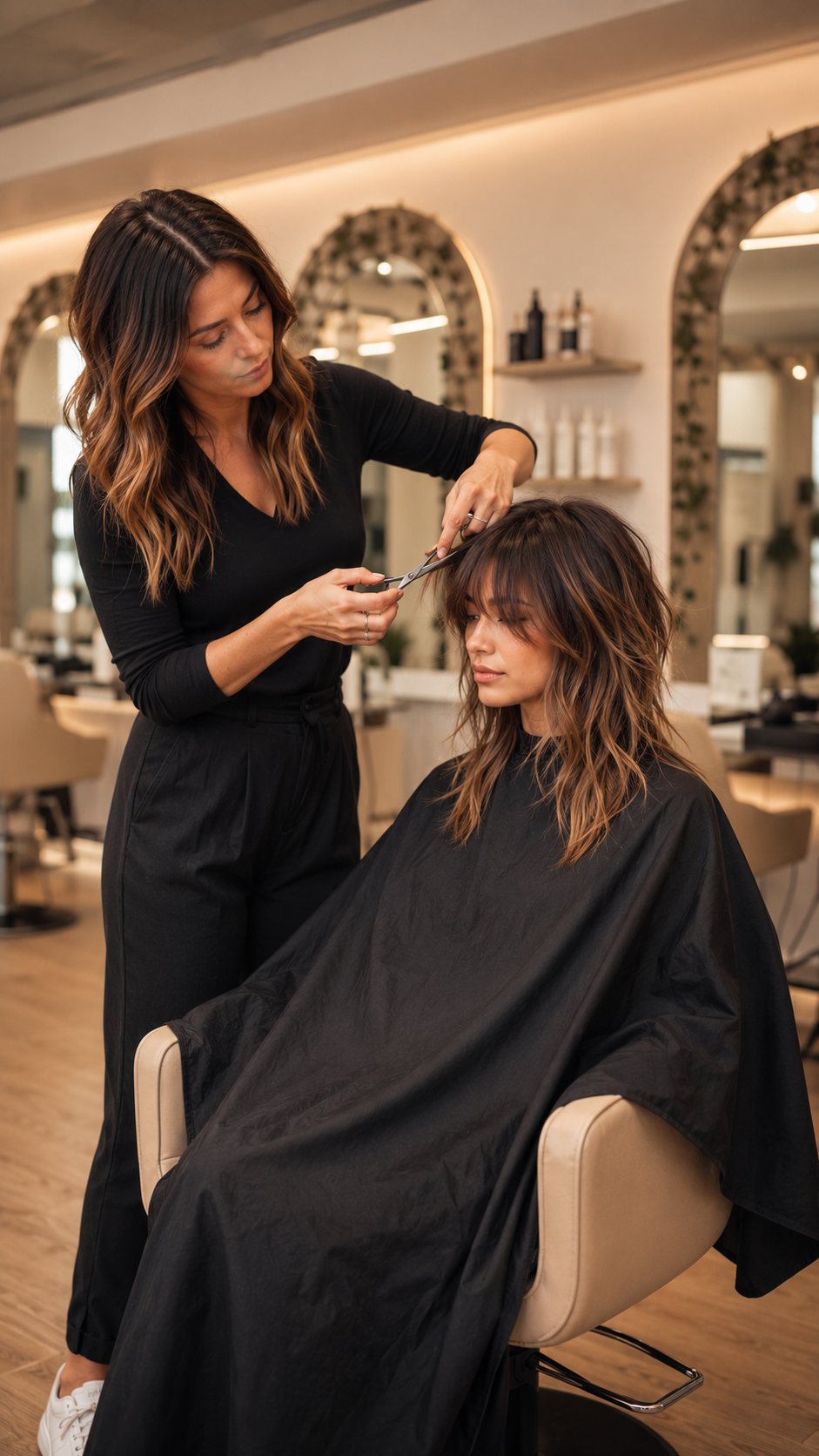
Shaggy haircuts for summer 2026 prove that the best cuts are the ones that work with your natural hair rather than demanding daily intervention to look good. Choose the variation that matches your texture, communicate clearly with your stylist about the level of texture you want, and let the cut do the work through every humid, sun-filled summer day.