How to Build a Skincare Routine for Sensitive Skin: Tips and Ingredients

Ever spent weeks searching for the right skincare routine for sensitive skin, only to end up with redness, tight patches, and a shelf full of products that made things worse? Nearly 60 to 70 percent of women report some level of skin sensitivity, and the frustrating part is that most mainstream skincare advice skips right over the unique challenges reactive skin types face daily.

Building a routine that actually works without triggering flare-ups takes more than grabbing the first “gentle” labeled cleanser off the shelf. It means understanding your skin barrier on a deeper level, picking ingredients that calm rather than aggravate, and knowing which steps to prioritize (and which to skip entirely). If you have been exploring where to begin with a proper regimen, this step-by-step skincare routine guide is another great place to start. What I have learned through trial, error, and a lot of dermatologist visits is that sensitive skin does not have to mean limited options. It just means smarter ones.
Why Sensitive Skin Needs a Different Approach Than Other Skin Types
Sensitive skin reacts to triggers that other skin types barely notice. Temperature shifts, fragrance, alcohol-based toners, and even over-exfoliation can cause stinging, dryness, or breakouts within hours.

The reason goes beyond surface-level irritation. Sensitive skin typically has a compromised lipid barrier, meaning the outermost layer of your skin does not hold moisture or block irritants as effectively as it should. Dermatologists at the American Academy of Dermatology point out that reactive skin often lacks adequate ceramide production, which is why barrier-repair products have become so central to modern sensitive skin routines. Choosing products with fewer active ingredients and higher concentrations of soothing compounds makes a measurable difference over time. The goal is not just avoiding reactions but actively strengthening the skin so it becomes less reactive month by month.
Did You Know: The skin barrier contains about 50 percent ceramides, 25 percent cholesterol, and 15 percent fatty acids, and any disruption in this ratio can trigger sensitivity even in previously normal skin types.
Identifying Your Specific Sensitivity Triggers
Before spending money on products, figuring out what actually irritates your skin saves a lot of frustration. Sensitivity is not one-size-fits-all. Some people react to fragrances while others break out from certain preservatives like methylisothiazolinone.

A patch test habit is the simplest tool most people overlook entirely. Apply a small amount of any new product behind your ear or on your inner wrist for 24 to 48 hours before putting it on your face. My colleague at work had spent years assuming she had rosacea-prone skin until a dermatologist traced her redness to a specific sunscreen filter (oxybenzone) she had been using daily. Once she switched to a zinc oxide-based mineral SPF, the redness cleared within three weeks. Keeping a simple ingredient diary for two to three months helps connect the dots between products and reactions.
Pro Tip: Photograph your skin under the same lighting every morning for a month to track subtle changes that are easy to miss day-to-day.
The Essential Cleanser Step for Reactive Skin
Cleansing is where most sensitive skin routines go wrong first. Foaming cleansers with sulfates (sodium lauryl sulfate, specifically) strip the skin’s natural oils and leave that tight, squeaky feeling that actually signals damage.

Cream and milk cleansers work better for reactive skin because they clean without dissolving the protective lipid layer. CeraVe Hydrating Cleanser, La Roche-Posay Toleriane Hydrating Gentle Cleanser, and Vanicream Gentle Facial Cleanser are three dermatologist-recommended options that consistently perform well for sensitive types. The water temperature matters too; lukewarm is the safe zone because hot water dilates capillaries and increases redness. If you wear makeup, double cleansing with a gentle micellar water first removes surface residue without needing harsh rubbing. I noticed the biggest improvement in my own skin when I stopped using a second cleanser in the morning entirely and just rinsed with plain water instead.
Choosing the Right Moisturizer Without Clogging or Irritating
A solid moisturizer does the heaviest lifting in any sensitive skin routine. It seals in hydration, supports the barrier, and creates a buffer between your skin and environmental stressors.

Look for formulas built around ceramides, hyaluronic acid, squalane, and glycerin. These are ingredients that mimic or support your skin’s own natural moisture system. Avoid moisturizers listing fragrance, essential oils, or denatured alcohol in the first ten ingredients. For daytime, lightweight gel-creams absorb quickly under sunscreen without feeling greasy. For nighttime, thicker balm-style creams with nourishing body care ingredients like shea butter or colloidal oatmeal provide deeper overnight repair. Women with oily but sensitive skin do well with Neutrogena Hydro Boost (the fragrance-free version), while those leaning dry tend to prefer Avene Tolerance Extreme Emulsion.
Warning: Products labeled “dermatologist tested” or “hypoallergenic” have no regulated standard behind those claims. Always check the full ingredient list rather than relying on front-of-label marketing language.
Sunscreen That Protects Without Provoking Reactions
Sunscreen is non-negotiable for every skin type, but sensitive skin demands extra care in choosing the right formula. Chemical sunscreen filters like avobenzone and homosalate can cause stinging and warmth on reactive skin.

Mineral (physical) sunscreens containing zinc oxide or titanium dioxide sit on top of the skin rather than absorbing into it, making them far less likely to trigger irritation. The trade-off used to be a heavy white cast, but brands like EltaMD UV Clear, Supergoop Unseen Sunscreen, and La Roche-Posay Anthelios Mineral have solved that problem with micronized formulations. SPF 30 is the minimum; SPF 50 is ideal if you spend time outdoors regularly. Reapplication every two hours remains the rule most people break, and that is where sun damage quietly accumulates. If you are building an anti-aging focused routine, consistent sunscreen use is the single most effective anti-aging step you can take at any age.
| Sunscreen Type | Best For | Key Ingredients | Potential Drawbacks |
|---|---|---|---|
| Mineral (Physical) | Sensitive, rosacea-prone, eczema-prone skin | Zinc oxide, titanium dioxide | Slight white cast on deeper skin tones |
| Chemical | Normal to oily, non-reactive skin | Avobenzone, homosalate, octinoxate | Stinging or warmth on sensitive skin |
| Hybrid | Mild sensitivity, cosmetic elegance priority | Zinc oxide + chemical filters | May still irritate highly reactive skin |
Serums and Actives That Sensitive Skin Can Actually Handle
The fear of active ingredients keeps many people with sensitive skin from getting real results. But sensitivity does not mean you cannot use serums; it means you need lower concentrations and smarter layering.

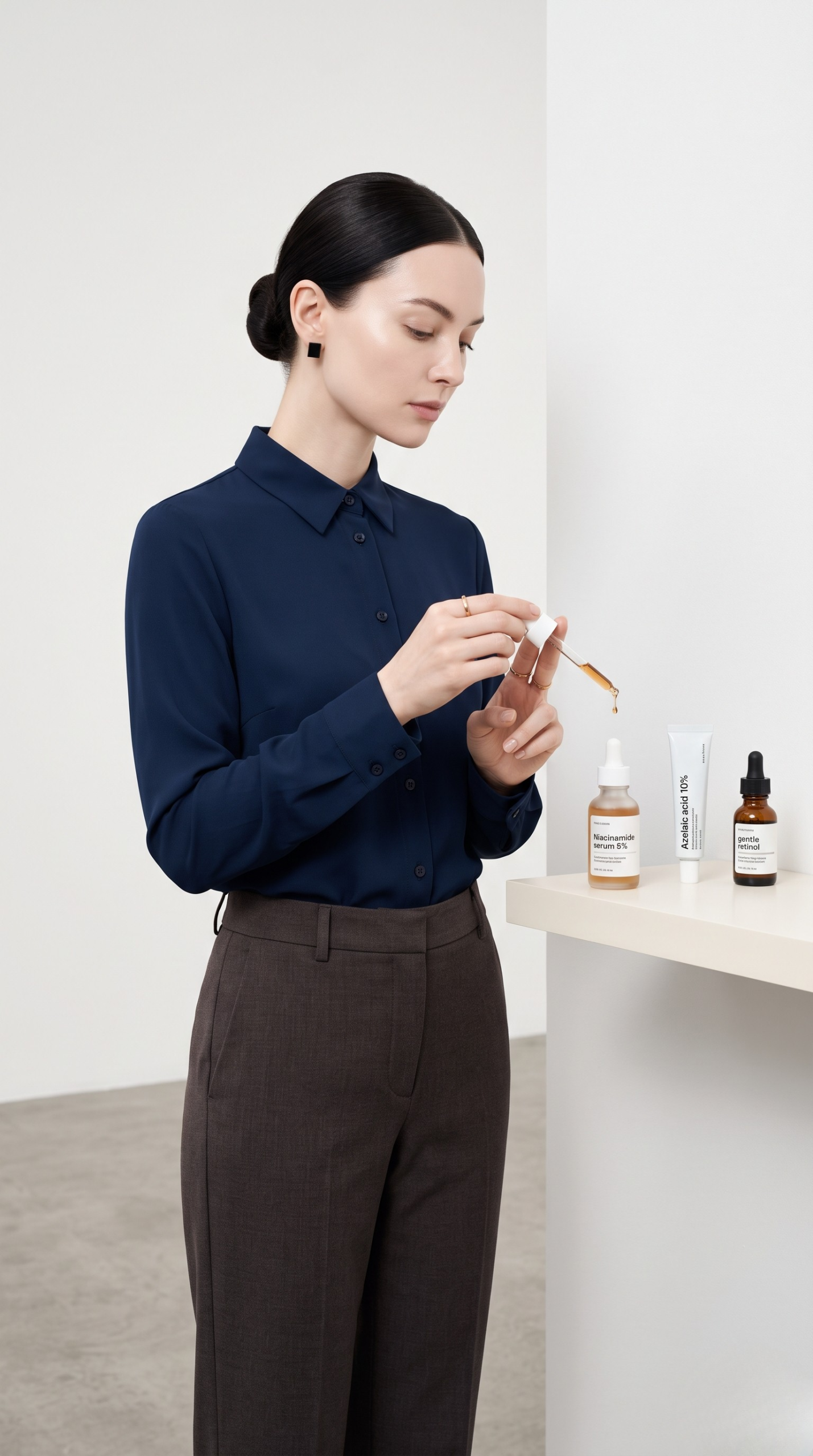
Niacinamide (vitamin B3) at 5 percent or lower calms inflammation, reduces redness, and strengthens the barrier without irritation for most sensitive types. Azelaic acid at 10 percent treats both acne and rosacea without the dryness that salicylic acid or benzoyl peroxide cause. If you want to try retinol, start with a 0.025 percent concentration twice a week and buffer it by applying moisturizer first, then retinol on top. Vitamin C works well in the form of ascorbyl glucoside (a gentler derivative) rather than pure L-ascorbic acid, which can sting reactive skin. The Korean skincare approach of layering thin, hydrating layers is actually ideal for sensitive types because it avoids overwhelming the skin with one heavy product. Introduce only one new active at a time, waiting at least two weeks before adding another.
Common Mistake: Layering multiple active ingredients in the same routine (like retinol, AHA, and vitamin C together) overwhelms the skin barrier and almost always leads to irritation, peeling, or redness.
Ingredients Sensitive Skin Should Completely Avoid
Not every “natural” or “clean” ingredient is safe for reactive skin. Some of the worst irritants hide in products marketed specifically as gentle or botanical.

Essential oils like tea tree, lavender, peppermint, and citrus extracts rank high on dermatologists’ irritation lists despite their popularity in natural skincare. Witch hazel (especially alcohol-based formulations) strips moisture and disrupts the acid mantle. Physical exfoliants with crushed walnut shell or apricot kernel create micro-tears in sensitive skin. Alcohol denat, SD alcohol, and isopropyl alcohol appear in toners and setting sprays and cause dehydration within minutes of application. When I first started paying attention to ingredient lists, I was surprised how many “for sensitive skin” products from well-known brands still contained fragrance buried halfway down the list. Reading past the first five ingredients is a habit worth building for any skincare product selection.
Important Note: Fragrance-free and unscented are not the same thing. “Unscented” products may contain masking fragrances that neutralize smell but can still trigger reactions. Always look for “fragrance-free” specifically.
Building Your Morning Routine Step by Step
A morning routine for sensitive skin should be short, protective, and hydrating. Overloading the skin with too many products before 9 AM does more harm than good.

Three steps are all you need: a gentle rinse (no cleanser required in the morning for most sensitive types), a lightweight moisturizer with ceramides, and mineral sunscreen. If you want to add a serum, niacinamide in the morning pairs well with SPF and boosts its protective effects. Apply products on slightly damp skin so they absorb better and lock in hydration from your rinse. The ANUA skincare line has some excellent lightweight options that layer well without pilling under sunscreen. Keep your morning routine consistent for at least four to six weeks before judging results; sensitive skin adjusts slowly and rewards patience over product-hopping.
Try This: Mist thermal spring water (like Avene or La Roche-Posay) before applying serum to create a hydrated base that helps products absorb evenly and reduces the chance of patchiness.
Building Your Evening Routine for Overnight Repair
Nighttime is when your skin does its heaviest repair work, and your evening routine should support that process without overcomplicating it.

Start with a proper cleanse to remove sunscreen, pollution, and daily buildup. Follow with your treatment serum (retinol or azelaic acid, if you are using one) and finish with a rich, occlusive moisturizer. The concept of “skin flooding” (layering a hydrating toner, serum, and cream in quick succession on damp skin) works particularly well for dehydrated sensitive skin. Slug it with a thin layer of Vaseline or Aquaphor on extra-dry nights to lock everything in. My sister, who has eczema-prone cheeks, saw noticeable improvement after adding just the slugging step alone. This is also the right time to use any targeted treatments for redness and irritation that you might need seasonally.
Seasonal Adjustments for Sensitive Skin Routines
Your skin’s needs shift with the weather, and failing to adjust your routine seasonally is one of the most common reasons sensitive skin flares up cyclically.

Winter strips moisture through low humidity and indoor heating, so switching to a heavier cream moisturizer and adding a facial oil (rosehip or jojoba) provides the extra protection your barrier needs. Summer calls for lighter textures, more frequent sunscreen reapplication, and possibly replacing your cream moisturizer with a gel formula. Spring and fall are transition periods where your skin is most unpredictable; keep your routine minimal during these weeks and avoid introducing new products. Air conditioning in summer and central heating in winter both reduce indoor humidity below 30 percent, which actively pulls moisture from your skin. A bedside humidifier set between 40 and 60 percent humidity makes a measurable difference in overnight skin hydration and overall skin health.
How Diet and Lifestyle Affect Skin Sensitivity
Topical products only address half the equation. What happens inside your body directly influences how your skin behaves on the surface.
High-sugar diets spike insulin levels, which triggers inflammation that shows up as redness, breakouts, and increased sensitivity. Omega-3 fatty acids (found in salmon, walnuts, flaxseed) actively reduce inflammatory markers in the skin. Stress raises cortisol, which thins the skin barrier over time and makes it more reactive to products that previously caused no issues. Sleeping under seven hours consistently impairs your skin’s overnight repair cycle, making sensitivity worse week by week. Drinking at least eight glasses of water daily keeps your skin hydrated from within, but it works best alongside topical hydrators rather than as a replacement. If you have noticed your skin becoming more reactive during stressful periods, that cortisol connection is likely the reason.
Pro Tip: Track skin reactions alongside your menstrual cycle for two to three months. Hormonal shifts (especially the week before your period) increase skin sensitivity, and adjusting your routine during those days prevents unnecessary flare-ups.
Sensitive Skin Routine at a Glance: Morning vs Evening
| Step | Morning | Evening |
|---|---|---|
| Cleanse | Water rinse or micellar water | Cream/milk cleanser (double cleanse if wearing SPF) |
| Treat | Niacinamide serum (optional) | Retinol or azelaic acid (2 to 3 nights per week) |
| Moisturize | Lightweight gel-cream with ceramides | Rich barrier-repair cream |
| Protect | Mineral SPF 30 to 50 | Occlusive layer (Vaseline/Aquaphor on dry nights) |
Common Myths About Sensitive Skin That Hold People Back
Misinformation keeps people stuck in cycles of irritation and over-spending. Breaking down these myths removes barriers to building a routine that actually delivers results.

The myth that sensitive skin cannot use any active ingredients stops people from addressing real concerns like hyperpigmentation, fine lines, and uneven texture. Sensitive skin absolutely can handle actives; it just needs lower concentrations and slower introduction. Another persistent myth is that “natural” automatically means safe. Poison ivy is natural. Essential oils are natural. Neither belongs on reactive skin. The idea that you need a 10-step routine to see results is equally misleading. Three to four well-chosen products outperform ten mediocre ones every time for sensitive skin, because fewer products mean fewer potential irritants and less barrier disruption. FYI, the minimalist approach is not about being lazy; it is about being strategic with what your skin can tolerate, and that approach connects well to a solid beginner skincare foundation.
The Role of Skin Barrier Repair in Long-Term Sensitivity Management
Repairing a damaged skin barrier is not a one-week fix. It takes consistent effort over six to twelve weeks to see real, lasting improvement in how your skin handles external stressors.
Ceramide-based products (CeraVe, Dr. Jart Ceramidin, ILIA Super Serum Skin Tint with SPF) rebuild the lipid matrix that holds skin cells together. Colloidal oatmeal calms active inflammation and creates a protective film while the barrier heals underneath. Panthenol (vitamin B5) accelerates wound healing and reduces transepidermal water loss, which is the clinical way of saying your skin stops losing moisture as quickly. The process works best when you simultaneously remove irritating products from your routine rather than just adding repair products on top of them. Think of it as subtracting before adding. Products with anti-aging benefits that also contain ceramides serve double duty for women dealing with both sensitivity and early signs of aging.
When to See a Dermatologist Instead of Self-Treating
Sometimes sensitivity signals something that requires professional evaluation. Knowing when to book an appointment saves you months of ineffective trial and error.
Persistent redness across the cheeks and nose that does not respond to gentle products may indicate rosacea, which requires prescription treatment like metronidazole or azelaic acid at clinical strengths. Sudden-onset sensitivity in skin that was previously non-reactive could point to contact dermatitis, an allergic reaction to a specific ingredient that a patch test at the dermatologist’s office can identify precisely. Eczema (atopic dermatitis) often flares seasonally and benefits from prescription corticosteroids during acute episodes, followed by barrier-repair maintenance. If you have changed products multiple times over three months with no improvement, a professional evaluation is the logical next step. IMO, investing in one dermatologist visit saves more money than the six to eight “maybe this will work” products most people buy trying to self-diagnose their skin’s specific issues and reactions.
Figuring out how to build a skincare routine for sensitive skin takes patience, but the right approach transforms reactive skin into something resilient and comfortable. Start simple, listen to what your skin tells you, and build from there; your barrier will thank you for it season after season.