10 Korean Skincare Secrets for Glass Skin: Expert Routine Steps for Radiant, Dewy Complexion
Finding that lit-from-within, poreless glow feels almost impossible when your skin keeps swinging between dull patches and random breakouts, right? Korean skincare has completely rewritten the rules of how we approach complexion care, and the “glass skin” trend is basically the gold standard for anyone chasing that translucent, dewy finish. The concept centers on layering lightweight, hydration-packed products in a specific order so your skin looks like smooth glass under any light.
If you have been curious about building a proper K-beauty routine but felt overwhelmed by the sheer number of steps, this guide breaks it all down into ten targeted secrets that actually deliver results. Each step features a standout product worth trying, plus the science behind why it works for different skin types. Whether you are dealing with dehydration lines, uneven texture, or just want that bouncy “chok chok” effect Korean beauty enthusiasts talk about, these steps are designed to transform your morning and evening routines. You might also find helpful insights in this step-by-step skincare routine guide if you want a broader foundation before diving into the K-beauty specifics.
You’ll find easy explanations of cleansing, gentle exfoliation, deep hydration, targeted treatments, barrier repair, and sun protection. Follow along to learn which steps matter most and how to make them work for your skin.
1) Double Cleansing with Banila Co Clean It Zero

Oil-based cleansing is genuinely the backbone of every Korean skincare routine, and skipping it is one of the biggest reasons people struggle with stubborn congestion. Banila Co Clean It Zero uses a sherbet-like balm texture that melts into skin and dissolves sunscreen, makeup, and sebum without stripping moisture.
The trick is massaging the balm onto dry skin for about sixty seconds before adding water to emulsify. Follow immediately with a gentle water-based cleanser (something with a low pH around 5.5) to remove any remaining residue. This two-step process ensures your skin is completely clean without compromising the acid mantle, which is critical for everything that follows in your routine. Double cleansing works especially well for oily and combination skin types because it removes excess sebum without triggering rebound oil production. If you are new to building a skincare routine for sensitive skin, starting with a fragrance-free balm cleanser is a safe first move.
Warning: Using micellar water or makeup wipes as your only cleansing step leaves behind a film of surfactants and dissolved impurities that block product absorption and can cause irritation over time.
2) Exfoliate Gently Using Cosrx AHA/BHA Clarifying Treatment Toner
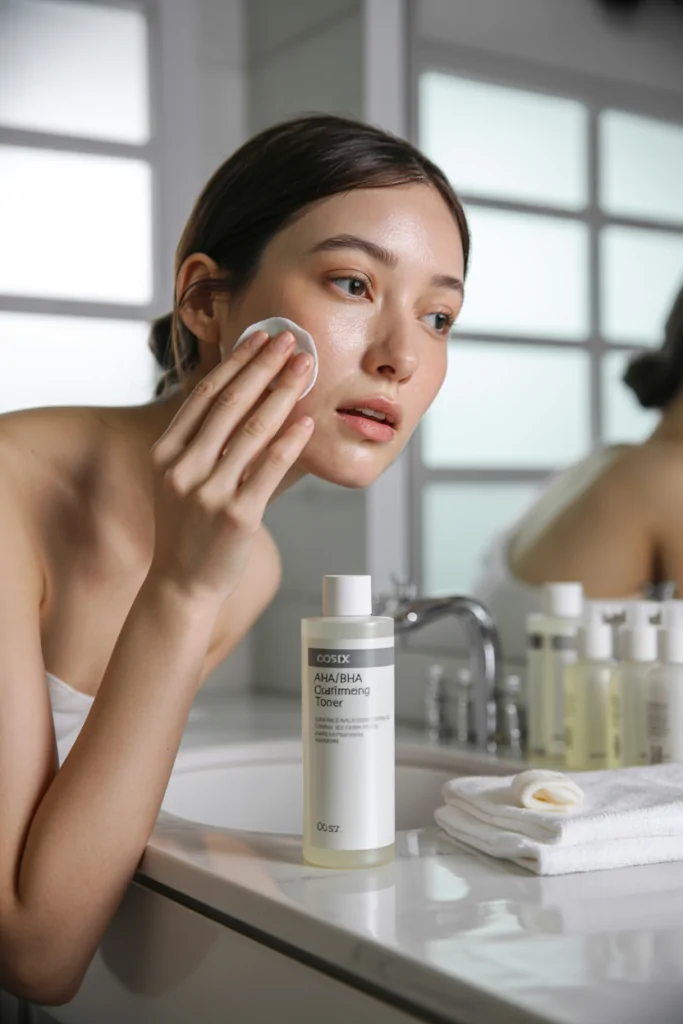
Chemical exfoliation separates K-beauty routines from most Western approaches because it prioritizes gradual resurfacing over aggressive scrubbing. The Cosrx AHA/BHA Clarifying Treatment Toner contains natural AHA from apple water and BHA from willow bark, delivering mild exfoliation that prepares skin for better product absorption.
This toner sits at a pH of around 4.0 to 5.0, making it effective enough to loosen dead cells without causing micro-tears the way physical scrubs can. Apply it with a cotton pad two to three times per week, not daily; over-exfoliating is one of the fastest ways to wreck your moisture barrier. People with dry or sensitive skin should start with once a week and build up gradually. Korean skincare philosophy always leans toward patience over aggression, and exfoliation is where that mindset matters most. A colleague of mine switched from a harsh walnut scrub to this toner and noticed her texture improve within three weeks, with significantly less redness. For more insights on how to create a complete skincare routine, exfoliation timing plays a huge role.
Did You Know: The outer layer of skin (stratum corneum) naturally sheds roughly every 28 days, but this cycle slows significantly after age 30, making gentle chemical exfoliation essential for maintaining that glass skin clarity.
3) Hydrate Deeply with Klairs Supple Preparation Toner

Hydrating toners in Korean routines serve a completely different purpose than Western astringent toners. Instead of stripping and tightening, K-beauty toners flood the skin with moisture and create a damp canvas for serums and essences to penetrate deeper.
Klairs Supple Preparation Toner uses hyaluronic acid and beta-glucan to attract and lock water into the upper skin layers. The “seven skin method,” where you pat on multiple thin layers of toner, originated from the idea that gradual hydration creates plumper, more resilient skin than one heavy application. Three to five layers work well for most people. Pat each layer in with your palms rather than using a cotton pad to avoid wasting product. This step is a game-changer for anyone dealing with dehydration lines (those fine lines that appear when skin lacks water, not oil). If you are also looking at anti-aging Korean skincare products, hydrating toners are usually the first product dermatologists recommend adding.
Pro Tip: Apply hydrating toner while your skin is still slightly damp from cleansing; hyaluronic acid needs existing moisture to pull water into the skin rather than pulling it out.
4) Apply Essence Like Missha Time Revolution The First Treatment Essence

Essences are the step that most non-Korean routines skip entirely, and that single omission is often why Western skincare results plateau. An essence is lighter than a serum but more concentrated than a toner, designed to boost cell turnover and improve skin’s overall clarity.
Missha Time Revolution uses fermented yeast extract (Saccharomyces ferment filtrate), which is rich in amino acids, minerals, and organic acids that brighten dull complexions over time. Fermented ingredients have smaller molecular structures, meaning they penetrate deeper and faster than non-fermented versions of the same ingredient. Pour a small amount into your palms, press into your face and neck, and let it absorb for about thirty seconds before moving to the next step. This product works across all skin types, though people with fungal acne should patch test fermented products first. The results are cumulative; most people notice a visible difference in radiance after about four weeks of consistent use. For anyone interested in the broader Korean skincare secrets philosophy, essences represent the heart of the layering approach.
5) Use Ampoule Such as Sulwhasoo Concentrated Ginseng Renewing Serum

Ampoules are essentially supercharged serums with higher concentrations of active ingredients, and they target specific concerns like fine lines, hyperpigmentation, or loss of firmness. Sulwhasoo uses Compound K, a bio-converted ginseng saponin that stimulates collagen production and improves elasticity at a cellular level.
Korean herbal medicine (hanbang) has influenced K-beauty formulations for decades, and ginseng is one of its most researched ingredients. Clinical studies show that ginsenosides increase dermal thickness and reduce the appearance of wrinkles with consistent use over eight to twelve weeks. Apply two to three drops after your essence and press gently into areas where you notice the most texture or laxity. This is where the routine gets genuinely targeted; you are treating specific skin concerns rather than just hydrating. Ampoules are best for skin over 25 that is starting to show early signs of aging, though anyone dealing with dullness or stress-related skin fatigue can benefit. You can also explore a complete anti-aging routine for a more comprehensive approach to prevention.
Important Note: Ginseng-based products can cause purging in the first week for some users; this is temporary increased breakout activity as cell turnover accelerates and is different from an allergic reaction.
6) Moisturize with Belif The True Cream Moisturizing Bomb
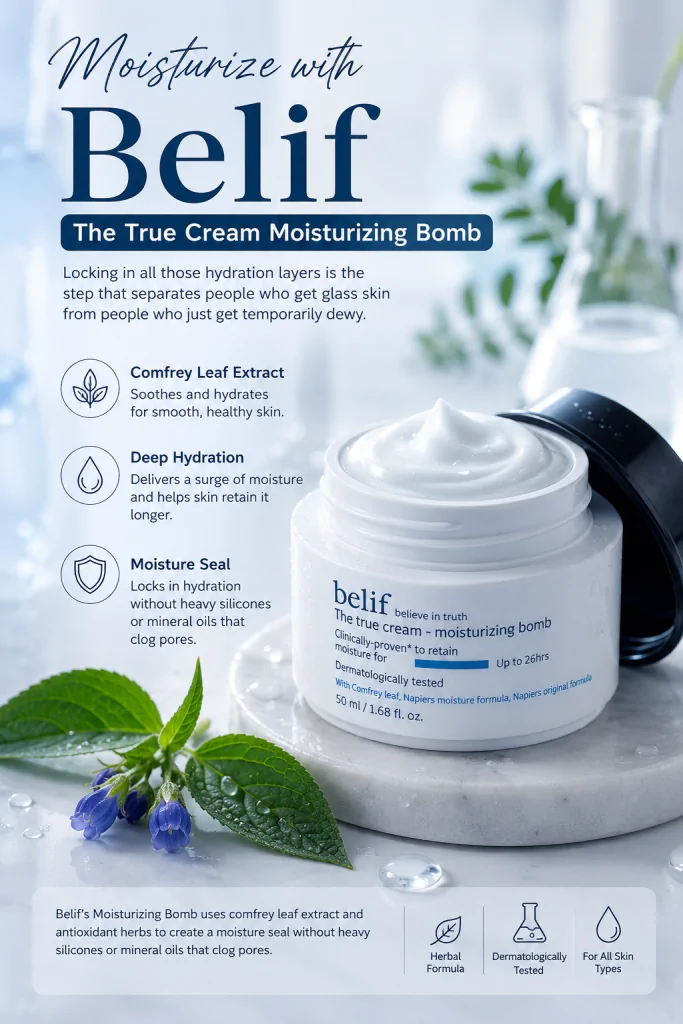
Locking in all those hydration layers is the step that separates people who get glass skin from people who just get temporarily dewy. Belif’s Moisturizing Bomb uses comfrey leaf extract and antioxidant herbs to create a moisture seal without heavy silicones or mineral oils that clog pores.
| Feature | Belif True Cream Moisturizing Bomb | Typical Western Moisturizer |
|---|---|---|
| Key Ingredient | Comfrey leaf (napiers formula) | Petroleum/dimethicone base |
| Texture | Lightweight, whipped | Often thick, occlusive |
| Absorption Time | 30 to 60 seconds | 2 to 5 minutes |
| Pore Clogging Risk | Low (non-comedogenic) | Moderate to high |
| Hydration Duration | Up to 26 hours (brand tested) | 8 to 12 hours average |
The cream feels almost weightless but delivers deep hydration that lasts well into the next day. For oily skin, use a pea-sized amount; dry skin types can apply a slightly thicker layer on cheeks and forehead where moisture loss happens fastest. My sister tried this after years of using thick night creams and was surprised that a lighter formula actually kept her skin more hydrated through winter. Products that build on your skin’s existing skincare essentials tend to deliver better long-term results than those that just sit on top.
7) Layer Sheet Masks Regularly with Dr.Jart+ Dermask Water Jet Vital Hydra

Sheet masking two to three times per week creates an occlusive environment that forces active ingredients deeper into the skin than topical application alone. Dr.Jart+ Dermask Water Jet uses xylitol and algae extract to deliver intense hydration in a single twenty-minute session.
The key to effective sheet masking is applying it after your toner and essence steps, not on bare skin. Your previous layers create a hydration pathway that the sheet mask amplifies. Leave the mask on for fifteen to twenty minutes (never longer; a dry mask pulls moisture back out of skin). After removing, pat the remaining serum into your skin and immediately follow with moisturizer to seal everything in. Sheet masks are especially effective before events or photo days when you need that instant plump effect. One practical tip that most guides skip: store your sheet masks in the refrigerator. The cooling effect constricts blood vessels temporarily, reducing puffiness and giving skin a tighter, more glass-like appearance. Healthy skin routines also benefit from understanding how body creams and lotions complement facial care for an all-over glow.
Try This: Use a silicone mask cover over your sheet mask to prevent evaporation; the seal keeps the essence concentrated against your skin for significantly better absorption.
8) Sun Protection via Purito Centella Green Level Unscented Sun SPF50+

Every single step in this routine becomes pointless without proper sun protection. UV damage is responsible for roughly 80 percent of visible skin aging, and Korean sunscreens are formulated to feel invisible, which means you actually want to wear them daily.
Purito Centella Green Level uses centella asiatica (cica) to soothe sensitive skin while providing SPF50+ PA++++ protection. Korean sunscreens typically use newer UV filters that provide broad-spectrum coverage with thinner, more cosmetically elegant textures than many Western formulas. Apply a full finger-length amount (about 1.25ml) to your face and neck every morning, and reapply every two hours if you are outdoors. The “PA++++” rating is a Japanese/Korean measurement of UVA protection, which is the radiation that causes aging and pigmentation. FYI, even sitting near windows exposes your skin to UVA rays, so indoor application matters too. People who commit to daily SPF notice improvements in hyperpigmentation and overall skin tone within two to three months, even without adding any other products. If you also enjoy spending time in the sun, checking out the right tanning oils and lotions can help you protect while getting color safely.
Warning: Skipping sunscreen after using AHA or BHA exfoliants increases photosensitivity by up to 45 percent, making skin vulnerable to burns, dark spots, and accelerated collagen breakdown.
9) Incorporate Facial Oil: The Face Shop Rice Water Bright Light Oil

Facial oils were once considered the enemy of glass skin because people assumed oil equals greasiness. Korean beauty flipped that logic by introducing lightweight, fast-absorbing oils that reinforce the skin barrier and add a natural luminosity that no highlighter can replicate.
The Face Shop Rice Water Bright Light Oil uses rice bran oil and jojoba oil, both of which closely mimic skin’s natural sebum composition. This means the oil absorbs quickly without sitting on top or causing congestion. Apply two to three drops as the last step before sunscreen in the morning, or as the final step at night after moisturizer. The oil creates a thin lipid layer that prevents transepidermal water loss (TEWL), which is the invisible evaporation of moisture from your skin throughout the day. Interestingly, adding a facial oil can actually reduce oiliness in people with overactive sebaceous glands because the skin recognizes external lipids and slows its own production. Rice bran oil is also rich in gamma-oryzanol, a potent antioxidant that protects against free radical damage. Pairing your skincare with the right body lotions and creams ensures your whole body matches that facial glow.
Common Mistake: Applying facial oil before water-based serums blocks absorption completely; oil is always the last skincare step (before sunscreen in the morning) because it creates an occlusive seal.
10) Focus on Skin Barrier Repair with Etude House SoonJung 2x Barrier Intensive Cream
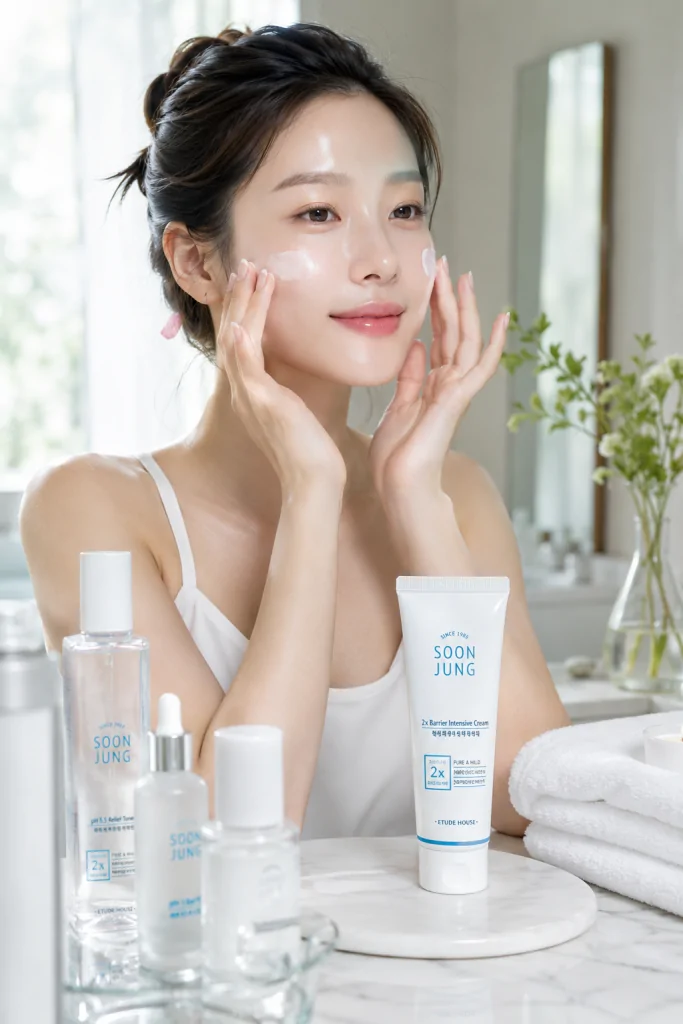
A damaged skin barrier is the hidden reason most glass skin attempts fail. If your barrier is compromised (think: tightness, stinging when applying products, visible redness, or flakiness), no amount of layering will give you that smooth, reflective finish. Barrier repair is where Korean skincare philosophy really shines because K-beauty treats the barrier as a living ecosystem, not just a surface.
Etude House SoonJung 2x Barrier Intensive Cream contains panthenol (vitamin B5) and madecassoside, both clinically proven to accelerate barrier recovery and calm inflammation. The formula is intentionally minimal: no fragrance, no essential oils, no alcohol, no colorants. That stripped-down approach is exactly what compromised skin needs. Apply a generous layer at night as your final step, and within one to two weeks, products that previously stung will absorb comfortably again. I noticed this firsthand after over-exfoliating last winter; switching to a barrier-focused cream for two weeks brought my skin back from red and reactive to calm and smooth. The SoonJung line works particularly well for people with rosacea, eczema-prone skin, or anyone recovering from professional treatments like chemical peels or laser. For a broader perspective on beginner-friendly skincare routines, barrier health is always the recommended starting point.
Pro Tip: If multiple products in your routine cause stinging or burning, stop everything except cleanser, barrier cream, and SPF for two weeks; this “skin fasting” approach allows the barrier to rebuild before reintroducing actives one at a time.
How Korean Skincare Ingredients Actually Differ from Western Formulations
Korean formulations tend to prioritize fermented and naturally derived active ingredients over synthetic compounds, and that distinction has measurable effects on how products interact with skin. Fermentation breaks down molecules into smaller sizes, increasing bioavailability and reducing the likelihood of irritation. Ingredients like galactomyces, saccharomyces, and bifida ferment lysate are staples in K-beauty but rarely appear in Western drugstore brands.
Another key difference is the emphasis on centella asiatica (cica), snail mucin, propolis, and rice extract. These ingredients have centuries of use in traditional Asian medicine, and modern research confirms their anti-inflammatory, hydrating, and wound-healing properties. Western skincare tends to lean heavier on retinoids, benzoyl peroxide, and alpha hydroxy acids at higher concentrations. Neither approach is inherently better; combining K-beauty’s gentle layering philosophy with targeted Western actives (like prescription retinoids) often produces the best results. The growing popularity of Anua skincare products shows how Korean brands continue innovating with minimal, effective ingredient lists.
Why Consistency Matters More Than Any Single Product in K-Beauty
The biggest misconception about Korean glass skin is that one miracle product will deliver results overnight. In reality, glass skin is the cumulative result of consistent layering, proper application techniques, and giving active ingredients enough time to work. Dermatologists generally recommend committing to a routine for at least six to eight weeks before evaluating results because skin cell turnover cycles take roughly a month.
Skipping steps, switching products constantly, or applying everything at once actually sets you back. Each product in the K-beauty routine builds on the previous one, creating a hydration gradient that moves from lightest to heaviest texture. When you skip a layer, the products above and below it perform less effectively. IMO, the hardest part of Korean skincare is not the number of steps; it is the patience required to let the routine work. For additional targeted Anua solutions for redness and irritation, consistency with calming ingredients makes the biggest difference over time.
Did You Know: Korean women reportedly spend an average of 27 minutes on their evening skincare routine, nearly double the time spent in most Western countries, and dermatologists link this patience-focused approach directly to better long-term skin health outcomes.
Adapting Your Glass Skin Routine for Different Climates and Seasons
A glass skin routine is not static; it should shift with humidity levels, temperature changes, and your skin’s seasonal behavior. During summer, swap heavy creams for gel-type moisturizers and reduce your facial oil to one drop instead of three. In winter, add an extra layer of hydrating toner and use a richer sleeping mask two to three times per week.
People living in dry climates need to double down on humectants like hyaluronic acid but also add occlusives to prevent moisture from evaporating. Those in humid environments can often skip the facial oil step entirely and use lighter essences. Air conditioning and indoor heating are equally damaging; both strip ambient moisture from the air and accelerate transepidermal water loss. Keeping a facial mist at your desk for midday hydration refreshes your skin without disrupting makeup. Seasonal adjustments also apply to sunscreen; winter UV exposure is lower but still present, especially with snow reflection amplifying rays. If you love spending time at the beach, reviewing the best skincare essentials for sun-ready skin helps protect your progress year-round.
Try This: Keep a small travel-size hydrating toner in your bag for midday moisture boosts; a few pats over makeup refreshes your glass skin effect without smudging anything.
Korean glass skin is less about buying ten specific products and more about understanding why each layer matters and how they work together. Once you internalize the philosophy of gentle cleansing, deep hydration, targeted treatment, and barrier protection, you can adapt the routine to whatever products and budget suit your lifestyle. Start with the steps that address your biggest concern, build gradually, and give your skin the time it deserves to respond.