Beauty Secrets Revealed: How to Choose the Right Body Cream & Lotion 2026
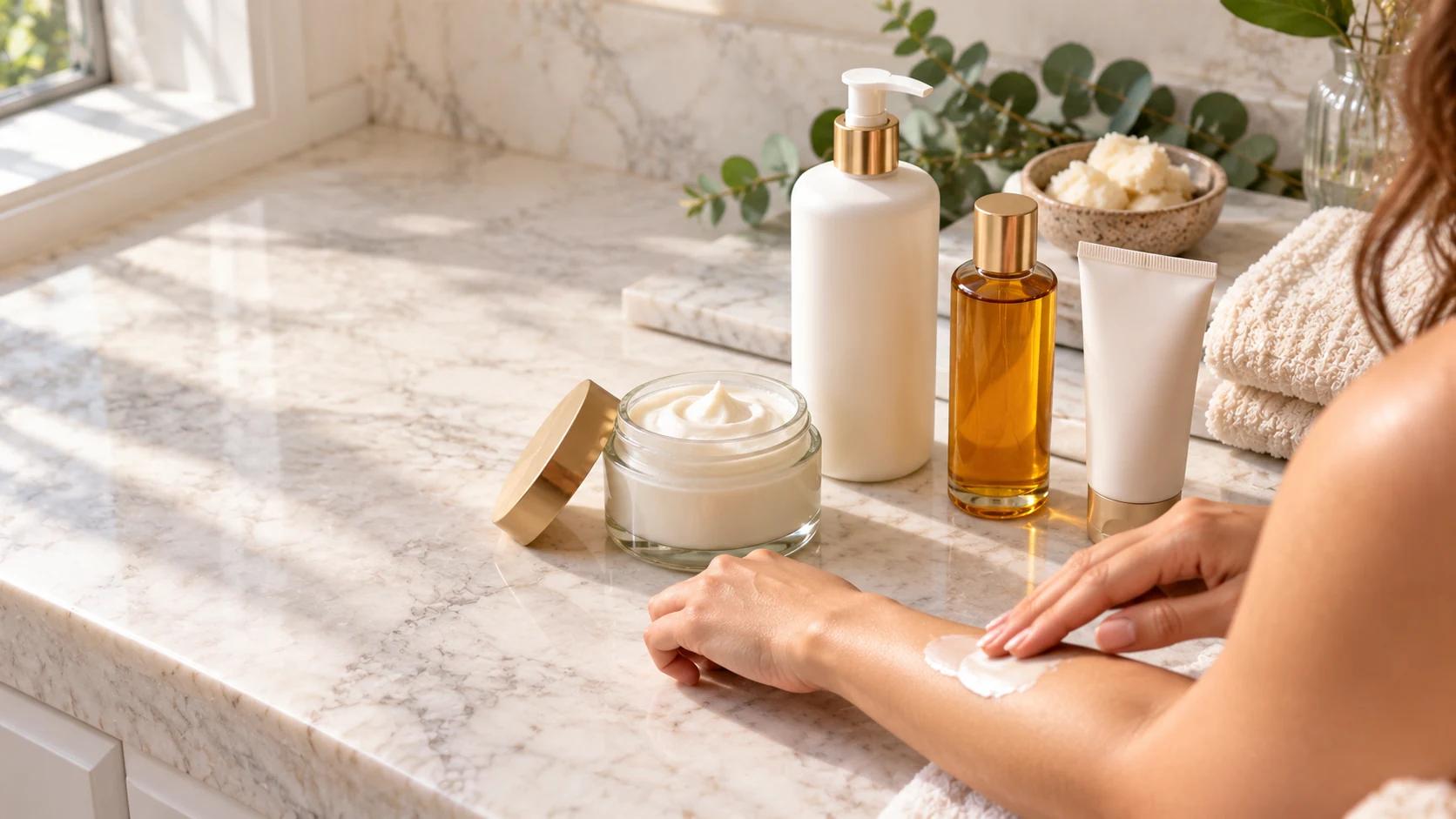
Choosing the right body cream and lotion feels unnecessarily complicated when every brand claims their formula is the best for hydration, glow, and long-lasting moisture. The real problem most women face is not a lack of options but an overwhelming number of them, with no clear guidance on which texture, ingredient list, or formula actually matches their specific skin type and daily routine.
Understanding the difference between body creams and lotions, knowing which ingredients deliver real results, and matching products to seasonal needs turns a frustrating shopping experience into a confident, informed decision. This guide breaks down everything you need to know about selecting body care products in 2026, from ingredient science to budget-friendly alternatives that perform as well as luxury formulas. Building body care into a broader skincare routine ensures consistency and better long-term results across your entire skin health strategy.
Understanding the Difference Between Body Cream and Body Lotion
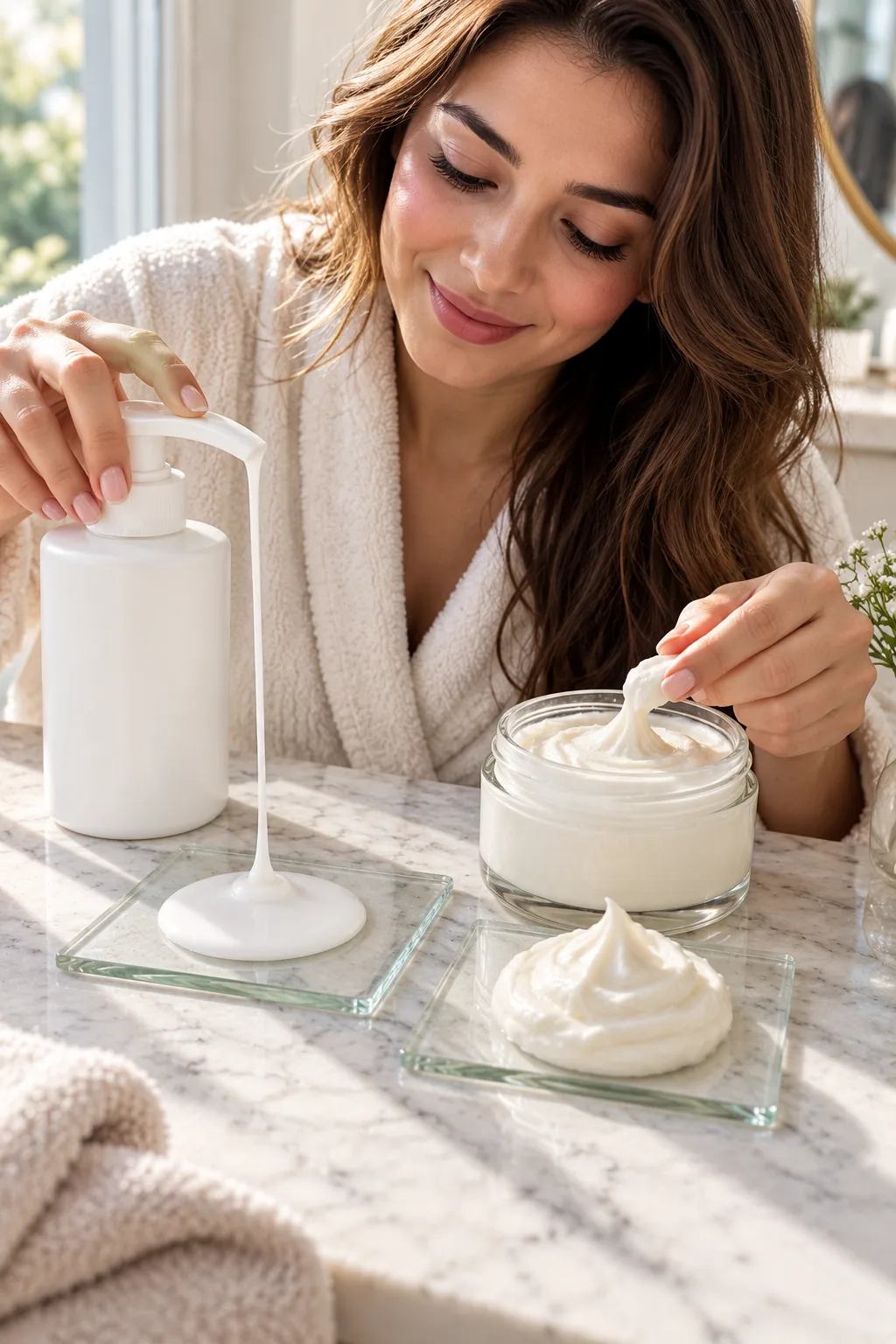
Body lotion and body cream serve the same fundamental purpose, but their formulations target different skin needs and preferences. Lotions contain a higher water-to-oil ratio, making them lighter, faster-absorbing, and ideal for daily use on normal to slightly dry skin.
Body creams use a higher concentration of oils and butters, creating a thicker, richer texture that locks in moisture for extended periods. The heavier formula makes creams better suited for very dry, rough, or cracked skin that needs intensive repair rather than surface-level hydration. Choosing between the two comes down to how dry your skin actually is and whether you prefer a product that absorbs quickly or one that sits on the skin longer to provide a moisture barrier.
Why it works for everyday selection:
The simplest rule is to reach for lotion in warmer months when skin produces more natural oil and switch to cream during colder seasons when environmental dryness strips moisture faster. Women with combination skin often benefit from using lotion on the torso and arms while applying cream to rougher areas like elbows, knees, and heels.
- Best for: Understanding which product type matches your skin’s daily hydration needs
- Key Ingredients: Water, glycerin, and light oils in lotions; shea butter, cocoa butter, and heavier emollients in creams
- Skin Type: Lotions for normal to slightly dry; creams for dry to very dry skin
How to Match Body Moisturizer to Your Skin Type
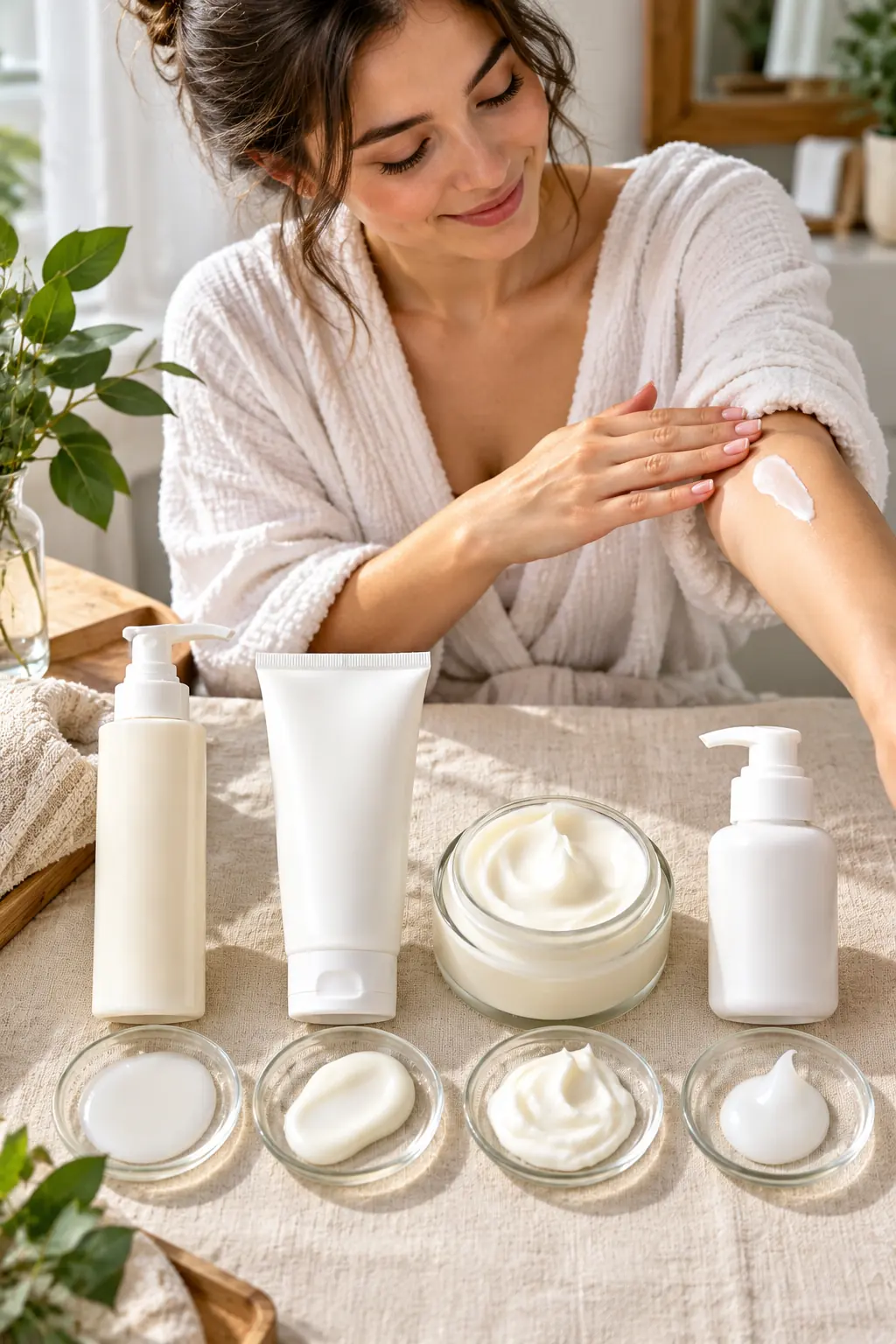
Skin type is the single most important factor in choosing a body moisturizer, yet many women apply the same product regardless of whether their skin runs oily, dry, sensitive, or combination. Using the wrong formula wastes product and can worsen existing skin concerns.
Oily skin benefits from lightweight, water-based lotions that hydrate without adding shine or clogging pores. Dry skin responds best to cream-based formulas rich in ceramides and fatty acids that rebuild the moisture barrier. Sensitive skin requires fragrance-free, hypoallergenic options with minimal ingredient lists to reduce irritation risk. Products designed for sensitive skin routines translate the same principles from facial care to full-body application.
💡 Pro Tip: Test any new body moisturizer on a small patch of skin on your inner forearm for 48 hours before full-body application, because allergic reactions and sensitivities often take a full day to appear and catching them early prevents widespread irritation.
Why it works for targeted results:
Matching moisturizer to skin type means the product works with your skin’s natural chemistry rather than against it. The right formula absorbs properly, delivers ingredients effectively, and creates visible improvements within the first week of consistent use.
- Best for: Women who have tried multiple products without seeing results
- Key Ingredients: Hyaluronic acid for oily skin; ceramides for dry skin; colloidal oatmeal for sensitive skin
- Skin Type: Product-specific matching eliminates trial-and-error waste
Key Ingredients That Actually Deliver Results in 2026
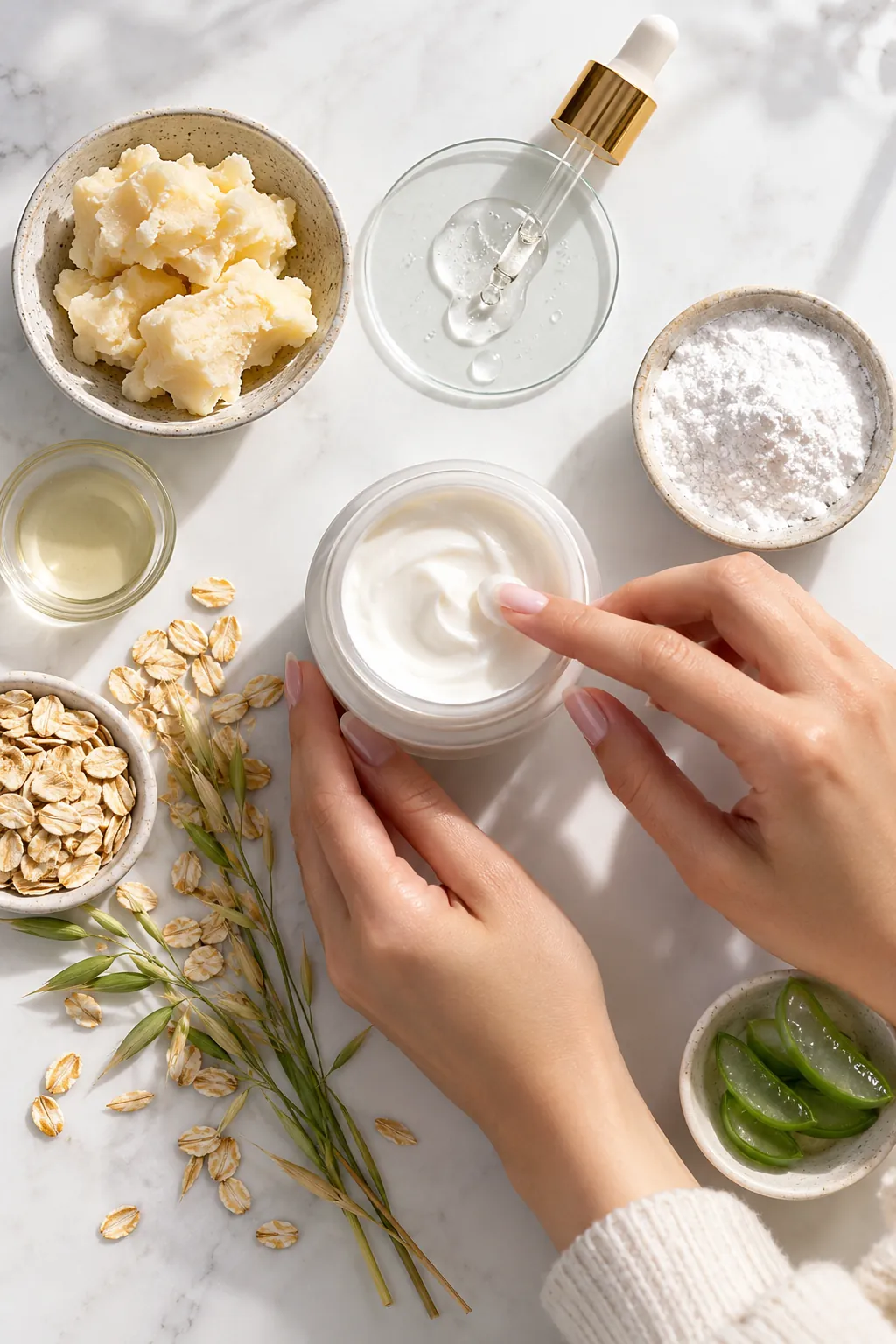
The body care ingredient landscape in 2026 has shifted toward clinically proven actives that were previously reserved for facial skincare. Ingredients like niacinamide, ceramides, and hyaluronic acid now appear in body lotions and creams at concentrations that deliver measurable hydration improvements.
Ceramides repair and strengthen the skin barrier, which is the foundation of healthy, hydrated skin. Glycerin and hyaluronic acid attract water from the environment into the skin, while shea butter and squalane seal that moisture in to prevent evaporation. Niacinamide addresses uneven skin tone and texture across the body, making it particularly effective for areas prone to discoloration like elbows, knees, and underarms. Brands like CeraVe, Eucerin, and La Roche-Posay have built their body care lines around these evidence-based ingredients. Understanding how ingredients work in step-by-step skincare applications helps translate that knowledge into smarter body care choices.
Why it works for informed purchasing:
Reading ingredient labels becomes significantly easier when you know which actives target your specific concerns. Prioritizing products with ceramides, glycerin, or hyaluronic acid in the first five ingredients ensures you are paying for formulas where the effective ingredients appear in meaningful concentrations rather than trace amounts.
- Best for: Shoppers who want science-backed results rather than marketing claims
- Key Ingredients: Ceramides, hyaluronic acid, glycerin, niacinamide, squalane, shea butter, urea
- Skin Type: All skin types benefit from barrier-supporting ingredients
Seasonal Adjustments That Keep Skin Balanced Year-Round
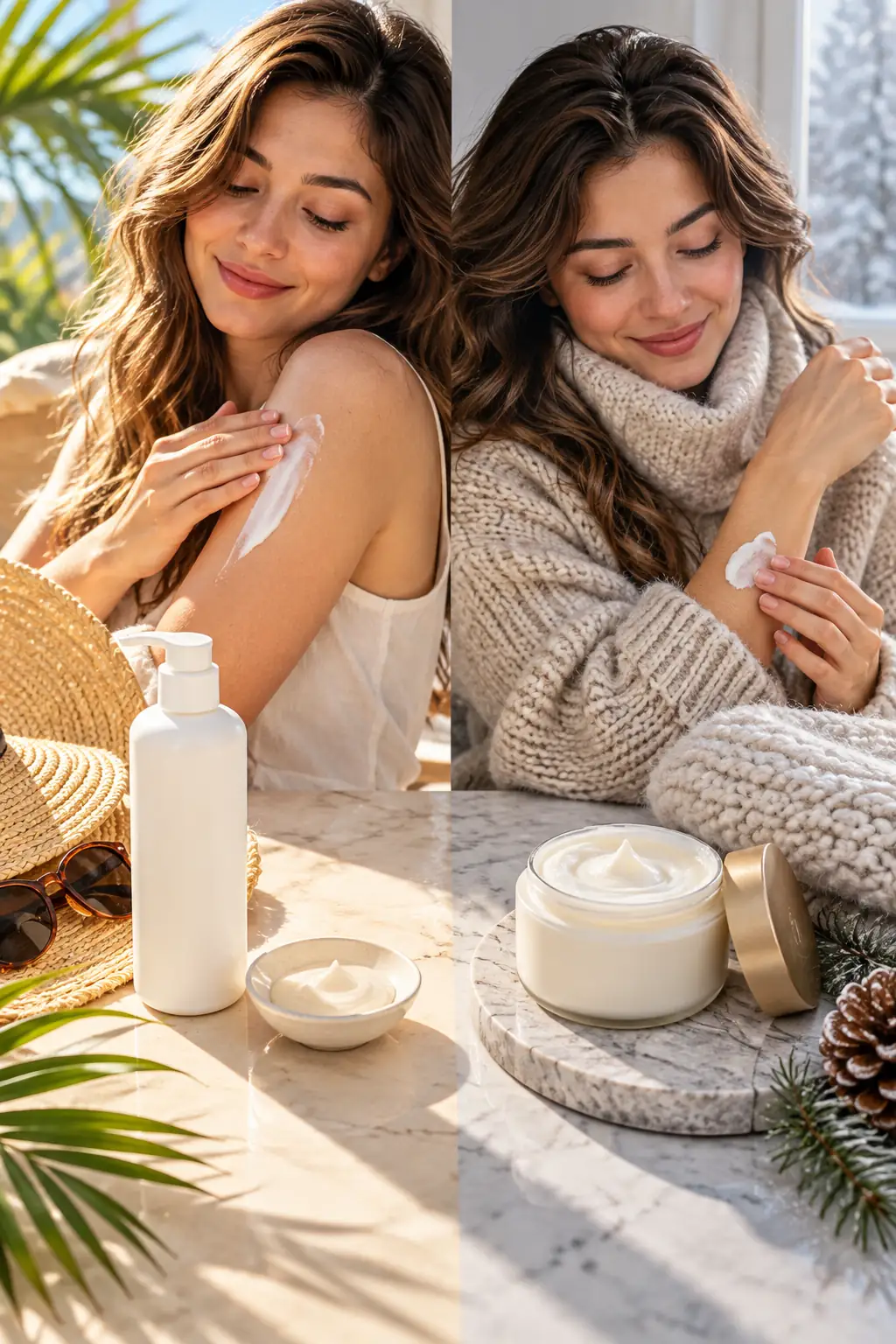
Skin moisture needs change dramatically between seasons, and using the same body care product in January and July often leads to either greasy summer skin or painfully dry winter skin. Adjusting product weight and application frequency with the seasons prevents both extremes.
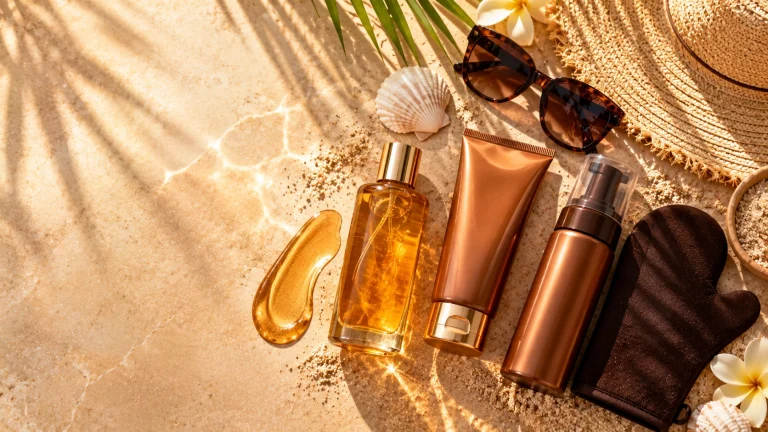
Summer calls for lightweight, fast-absorbing lotions with SPF protection on exposed areas and breathable formulas that do not interfere with sweat or cause body breakouts. Winter demands richer creams applied immediately after showering to lock in steam-opened moisture before it evaporates. The transition seasons of spring and fall benefit from medium-weight formulas that adapt to fluctuating temperatures and humidity levels. Pairing seasonal body care with the right tanning and sun protection products during warmer months protects skin while maintaining hydration.
✨ Did You Know: Skin loses up to 25 percent more moisture during winter months compared to summer because cold air holds less humidity, indoor heating further reduces ambient moisture, and hot showers strip natural oils faster than lukewarm water.
Why it works for year-round skin health:
Seasonal switching prevents the accumulation of issues that develop when skin receives either too much or too little moisture for the conditions. Most dermatologists recommend keeping a lighter lotion and a heavier cream in rotation throughout the year rather than committing to a single product.
- Best for: Women who notice their skin changing between seasons
- Key Ingredients: Lightweight humectants for summer; heavy occlusives for winter; balanced emollients for spring and fall
- Skin Type: All skin types require seasonal adjustments for optimal hydration
Fragrance vs Fragrance-Free: Making the Right Call
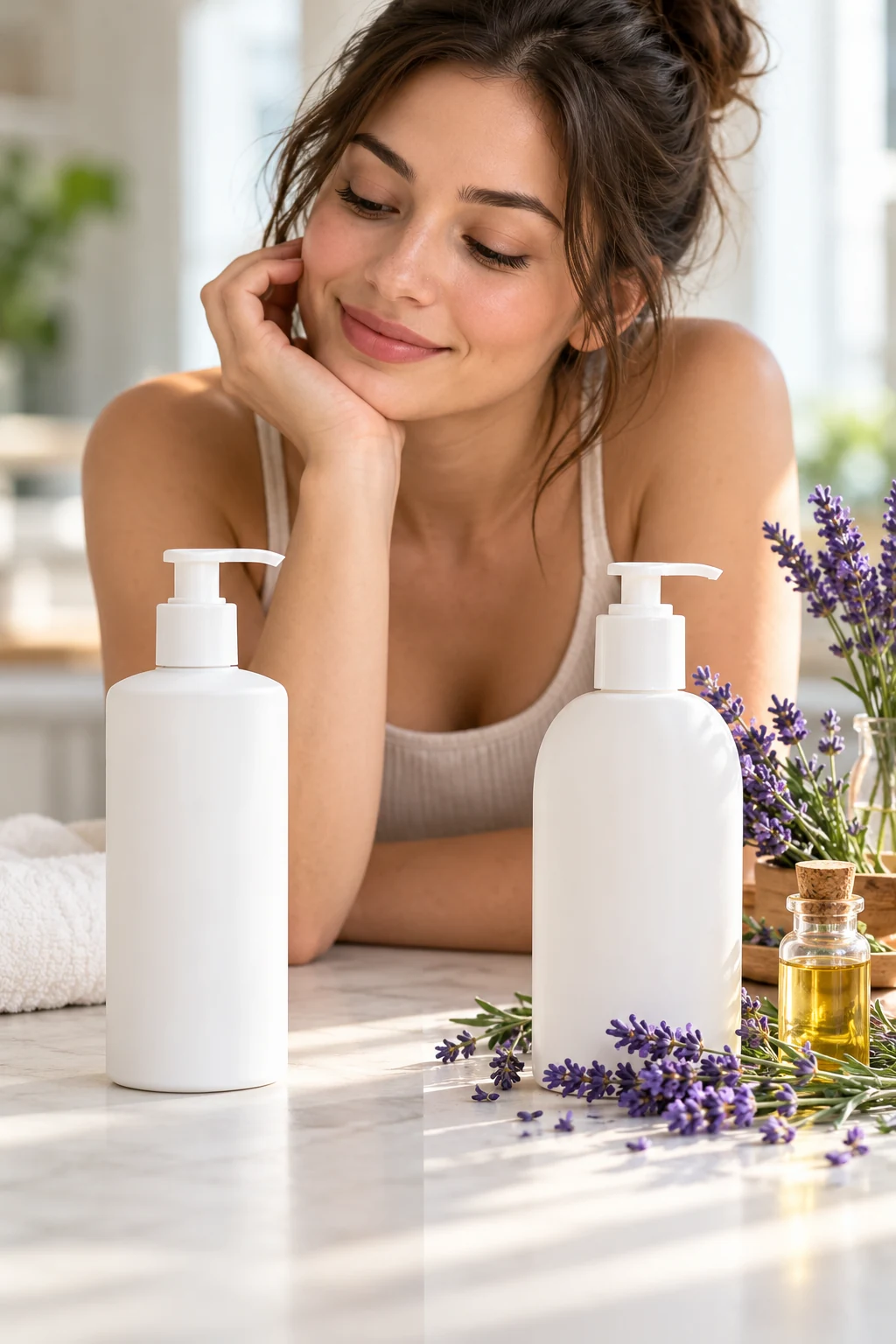
The fragrance debate in body care has intensified in 2026 as more consumers become aware that synthetic fragrances are among the most common causes of skin irritation and contact dermatitis. Choosing between scented and unscented products involves weighing sensory enjoyment against potential skin sensitivity risks.
Fragrance-free formulas from brands like Cetaphil, Vanicream, and CeraVe eliminate the most common irritant category entirely, making them the safest choice for sensitive, eczema-prone, or reactive skin. Naturally scented products using essential oils offer a middle ground, though essential oils themselves can trigger reactions in some individuals. For fans of luxuriously scented body care, brands like Sol de Janeiro and The Body Shop use carefully formulated fragrance blends designed to minimize irritation while maximizing the sensory experience. Exploring body creams and oils designed for healthy skin helps identify which formulas balance performance with enjoyable textures and scents.
Why it works for skin safety:
The safest approach is starting with fragrance-free products when introducing new body care into a routine and adding scented options only after confirming your skin tolerates the base formula. This eliminates fragrance as a variable when evaluating whether a product actually improves hydration and texture.
- Best for: Anyone with unexplained body skin irritation, redness, or itching
- Key Ingredients: Fragrance-free formulas with ceramides and glycerin; naturally scented with essential oils for moderate sensitivity
- Skin Type: Sensitive and reactive skin should default to fragrance-free; normal skin can choose based on preference
Budget-Friendly Options That Rival Luxury Formulas
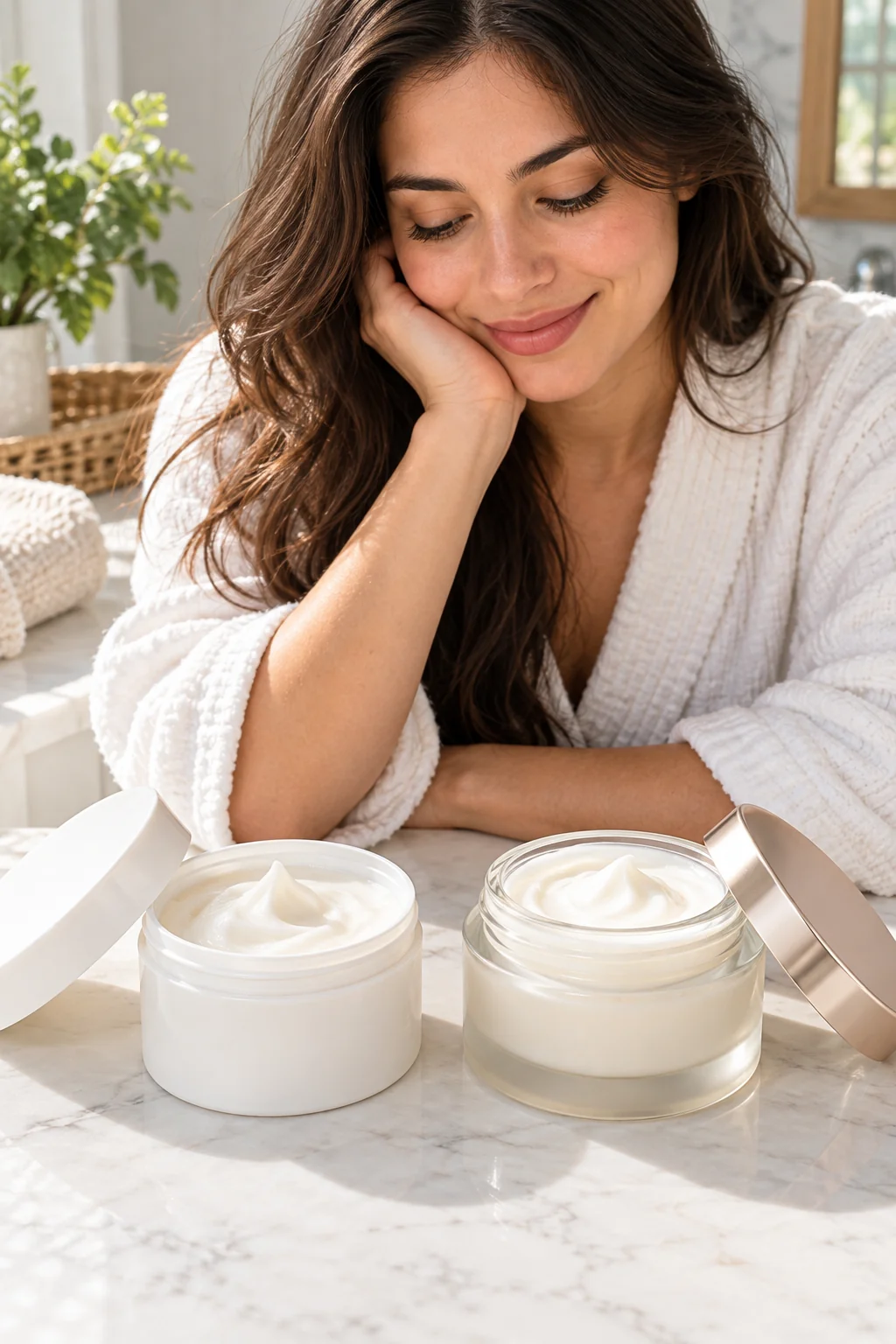
The price gap between drugstore and luxury body care has narrowed dramatically as affordable brands have invested in the same clinically proven ingredients that premium lines use. A fifteen-dollar body cream can deliver identical hydration results to a sixty-dollar luxury alternative when the active ingredients and their concentrations match.
CeraVe Moisturizing Cream, Eucerin Advanced Repair, Aveeno Daily Moisturizing Lotion, and Nivea Essentially Enriched consistently rank among dermatologist recommendations despite their drugstore price points. These products contain ceramides, glycerin, and colloidal oatmeal at effective concentrations that compete directly with prestige brands. The primary differences at higher price points are typically packaging design, fragrance complexity, and texture refinement rather than measurable skin improvement. Building a complete skincare product collection around proven ingredients rather than brand prestige delivers better results per dollar spent.
🔥 Try This: Compare the first five ingredients on a drugstore body cream and a luxury alternative in the same category. If the active ingredients match, the performance difference is minimal regardless of the price gap, which frees budget for other beauty investments.
Why it works for smart shopping:
Focusing on ingredient lists rather than marketing claims empowers consumers to find effective products at every price point. The most expensive body cream on the shelf is not automatically the best one for your skin type.
- Best for: Budget-conscious shoppers who want proven results without premium pricing
- Key Ingredients: Ceramides, glycerin, colloidal oatmeal, and shea butter available across all price tiers
- Skin Type: Every skin type has effective options at drugstore prices
How to Layer Body Care Products for Maximum Hydration

Layering body care products follows the same principle as facial skincare: apply thinnest to thickest and allow each layer to partially absorb before adding the next. This approach maximizes the amount of moisture that penetrates the skin rather than sitting on top.
Start with a hydrating body mist or toner on damp skin immediately after showering, follow with a lightweight lotion, and seal with a body oil or cream on areas that need extra attention. The damp skin step is critical because water on the surface helps humectant ingredients like glycerin and hyaluronic acid draw moisture deeper into the epidermis. Applying the right body lotions for your skin type in the correct order ensures each product performs at its full potential rather than competing with the layer beneath it.
Why it works for intensive hydration:
Layering creates multiple moisture barriers that work together, with humectants pulling water in, emollients smoothing the surface, and occlusives sealing everything underneath. This three-step approach can transform even severely dry skin within one to two weeks of consistent application.
- Best for: Women with chronically dry skin, post-shave dryness, or seasonal cracking
- Key Ingredients: Humectants first (hyaluronic acid, glycerin), emollients second (lotions), occlusives last (body oils, thick creams)
- Skin Type: Dry to very dry skin benefits most; normal skin can simplify to two layers
The Science Behind Skin Barrier Repair and Moisturizer Absorption
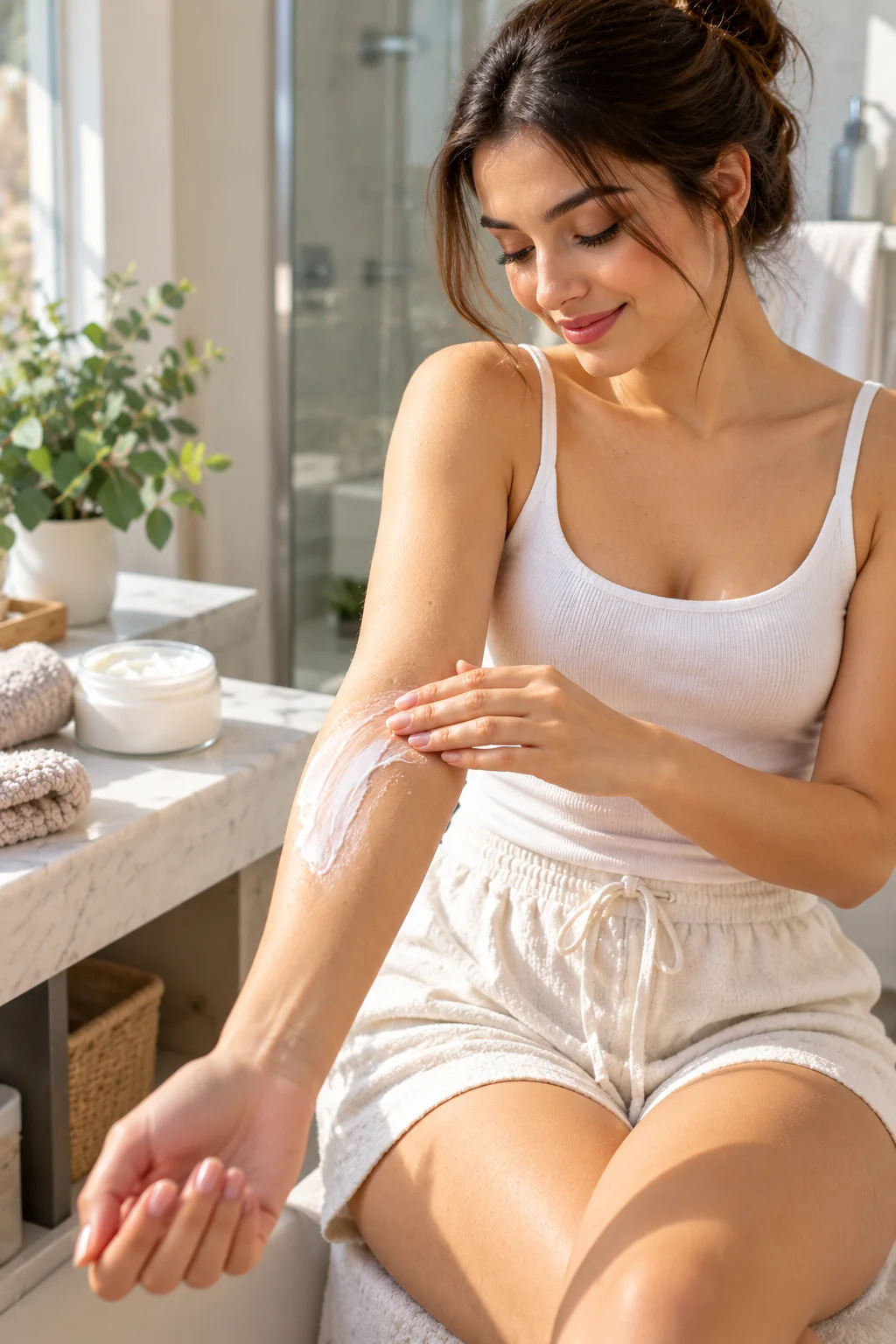
The skin barrier, also known as the stratum corneum, functions as a protective wall made of dead skin cells held together by a lipid matrix of ceramides, cholesterol, and fatty acids. When this barrier is compromised through over-washing, harsh products, or environmental exposure, moisture escapes and irritants enter, creating the dryness cycle that most body care products aim to interrupt.
Moisturizers work by either replacing missing lipids in the barrier (creams with ceramides), attracting water into skin cells (lotions with hyaluronic acid), or forming a physical seal over the surface (products with petrolatum or dimethicone). Understanding this mechanism explains why some products feel hydrating immediately but leave skin dry hours later; they lack the occlusive layer needed to prevent moisture from evaporating back into the air. Approaching body care with the same scientific mindset used in Korean skincare philosophies and anti-aging routines produces significantly better long-term results.
💡 Pro Tip: Apply body moisturizer within three minutes of stepping out of the shower because the skin’s absorption rate drops dramatically as the surface dries, and that narrow window determines how much product actually penetrates versus sitting on top.
Common Body Care Mistakes That Quietly Damage Skin
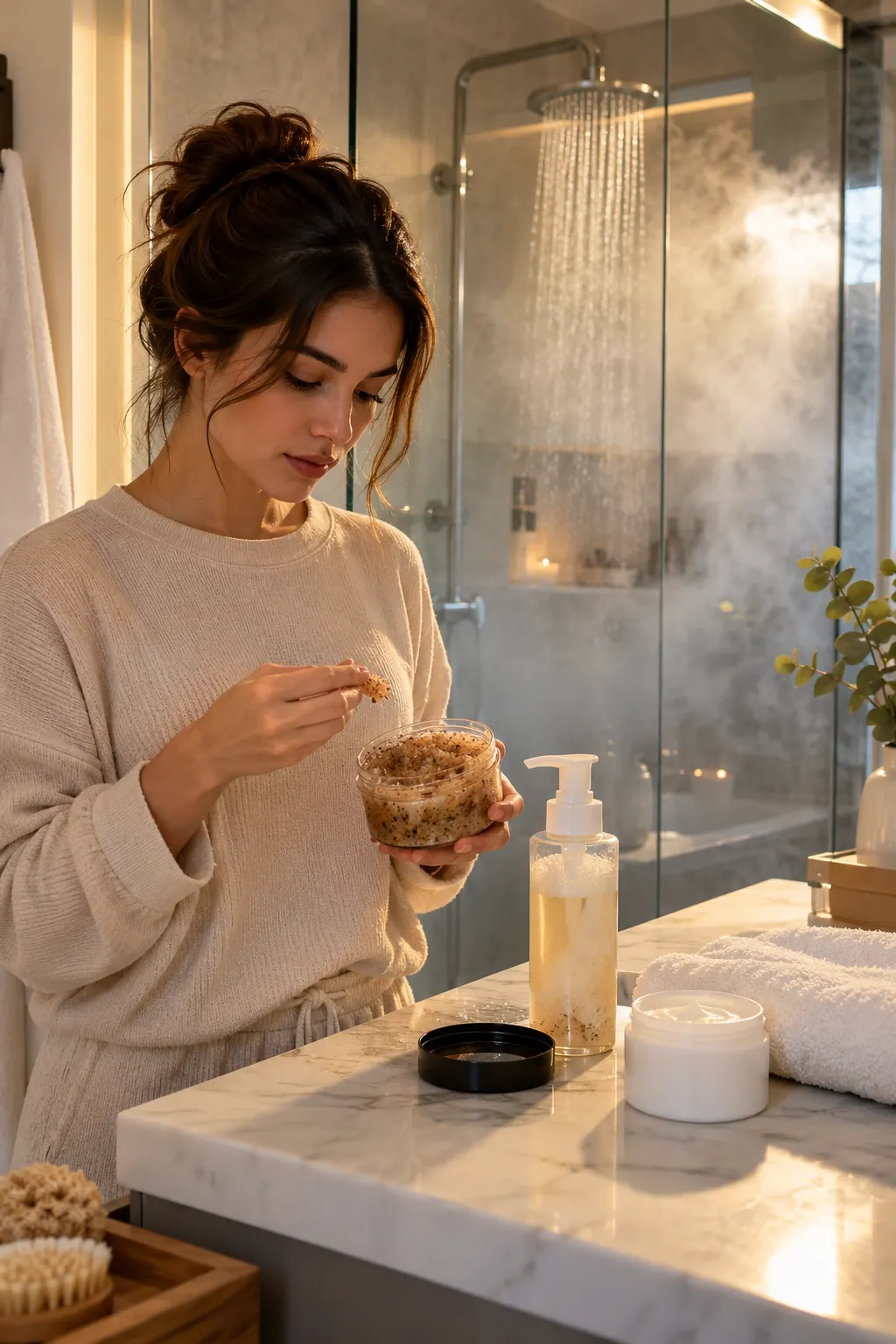
Several widely practiced body care habits actually worsen skin dryness and texture over time, despite feeling effective in the moment. Hot showers, aggressive exfoliation, and applying moisturizer to completely dry skin are among the most common offenders.
Water temperature above lukewarm strips the skin’s natural oils faster than the body can replace them, creating a dependency cycle where more moisturizer is needed to compensate for shower-induced dryness. Physical scrubs with harsh particles cause micro-tears that weaken the skin barrier, and daily use of body washes with sulfates removes protective lipids that take hours to regenerate. Investing in a beginner-friendly skincare approach that prioritizes gentle cleansing and consistent moisturizing corrects these habits faster than adding expensive treatments on top of a damaging routine.
How Body Care Trends in 2026 Are Reshaping the Industry
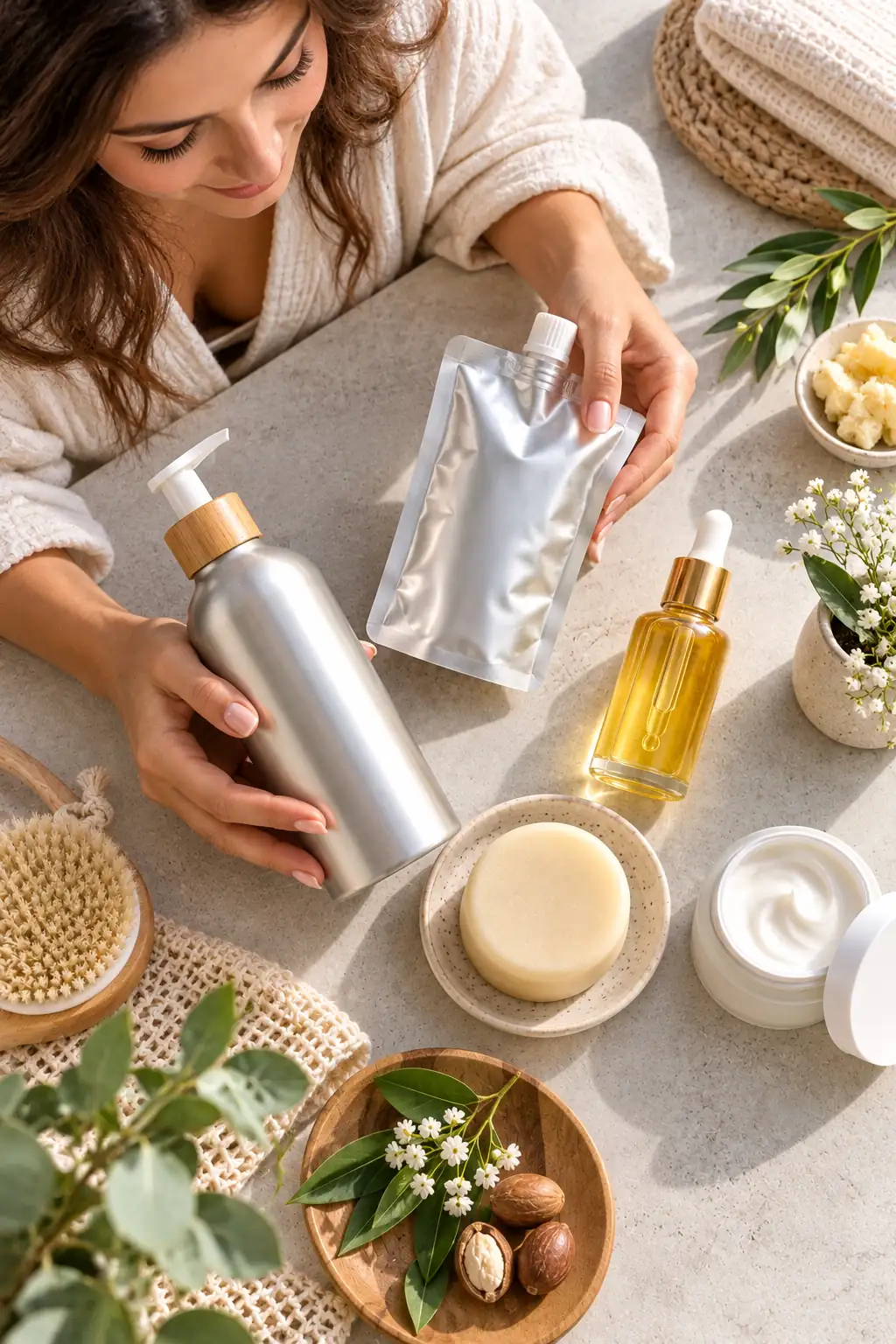
The body care market in 2026 has undergone a significant shift toward “skinification,” a trend where facial skincare ingredients and application techniques are being applied to full-body products. Retinol body lotions, niacinamide-infused creams, and AHA exfoliating body treatments now occupy shelf space that was previously reserved for basic moisturizers.
Sustainability has also become a purchasing driver, with refillable packaging, waterless formulas, and biodegradable ingredients influencing consumer choices alongside efficacy claims. The clean beauty movement continues to push brands toward shorter ingredient lists and transparent sourcing, making it easier for consumers to evaluate what they are applying to their skin daily. Exploring curated body cream selections designed for glowing skin in 2026 reflects how far the industry has moved from basic hydration toward targeted, results-driven body care.
✨ Did You Know: The global body care market is projected to exceed 250 billion dollars by 2027, driven largely by the “skinification” trend where consumers now expect the same active ingredients and clinical results from body products that they demand from their facial skincare routines.
Choosing the right body cream and lotion in 2026 comes down to understanding your skin type, reading ingredient labels with confidence, and adjusting your routine with the seasons. Invest in formulas that match your specific needs rather than following trends blindly, and let your skin’s response guide every product decision.