Summer Brown Hair Color Ideas 2026 for a Natural and Versatile Look: 7 Trending Shades to Try
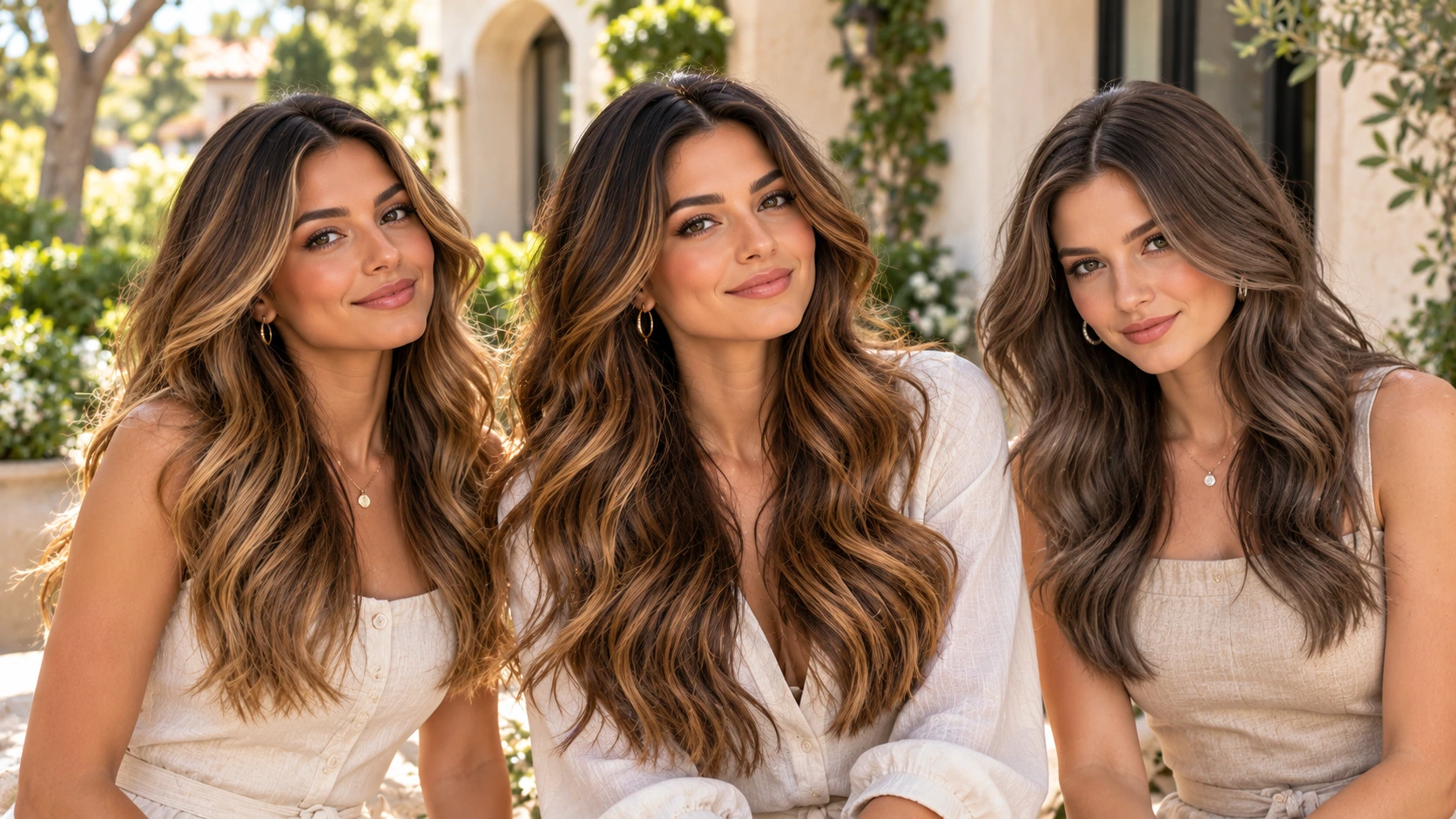
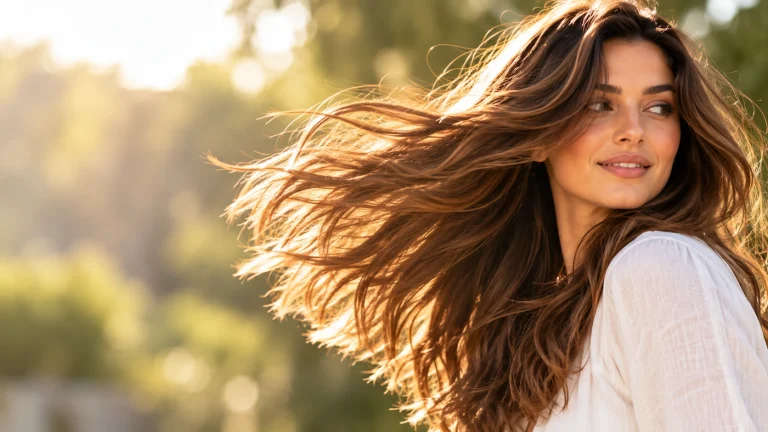
Why does brown hair get overlooked every summer while blonde and red shades dominate every “trending colors” list? Summer brown hair color ideas for 2026 are finally getting the spotlight they deserve, and the shades available now go far beyond the flat, single-tone brown that made brunettes feel invisible for years. The modern approach to brown hair focuses on dimension, warmth, and tonal depth that makes every shade feel alive in natural light.

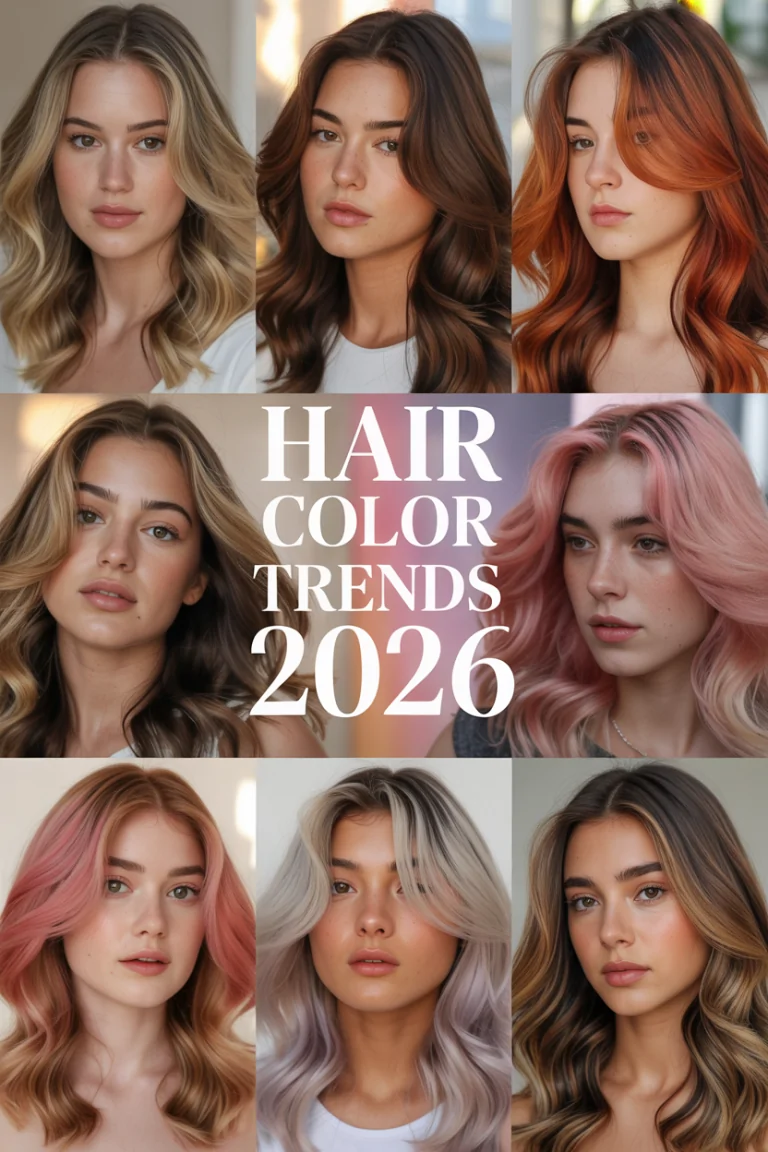
Brown hair is actually the most versatile base color a colorist can work with because it holds warm and cool undertones equally well, accepts highlights without drastic lightening, and grows out seamlessly compared to lighter shades. Whether you want something subtle enough to look like your natural color on its best day or bold enough to turn heads at a rooftop dinner, the right brown shade exists for your skin tone and lifestyle. These trending spring brown hair color ideas provide great seasonal context if you are planning a color transition that carries through summer. The seven shades below are the ones colorists across major salons are mixing most frequently this season, and each one delivers that natural, sun-touched look without crossing into territory that feels high-maintenance or unnatural.
1. Warm Honey Brown
Honey brown blends golden warmth into a medium brown base, creating a shade that looks like three weeks of sun exposure condensed into a single salon visit. The tone sits right between brown and dark blonde, catching light in a way that makes hair look luminous from every angle.
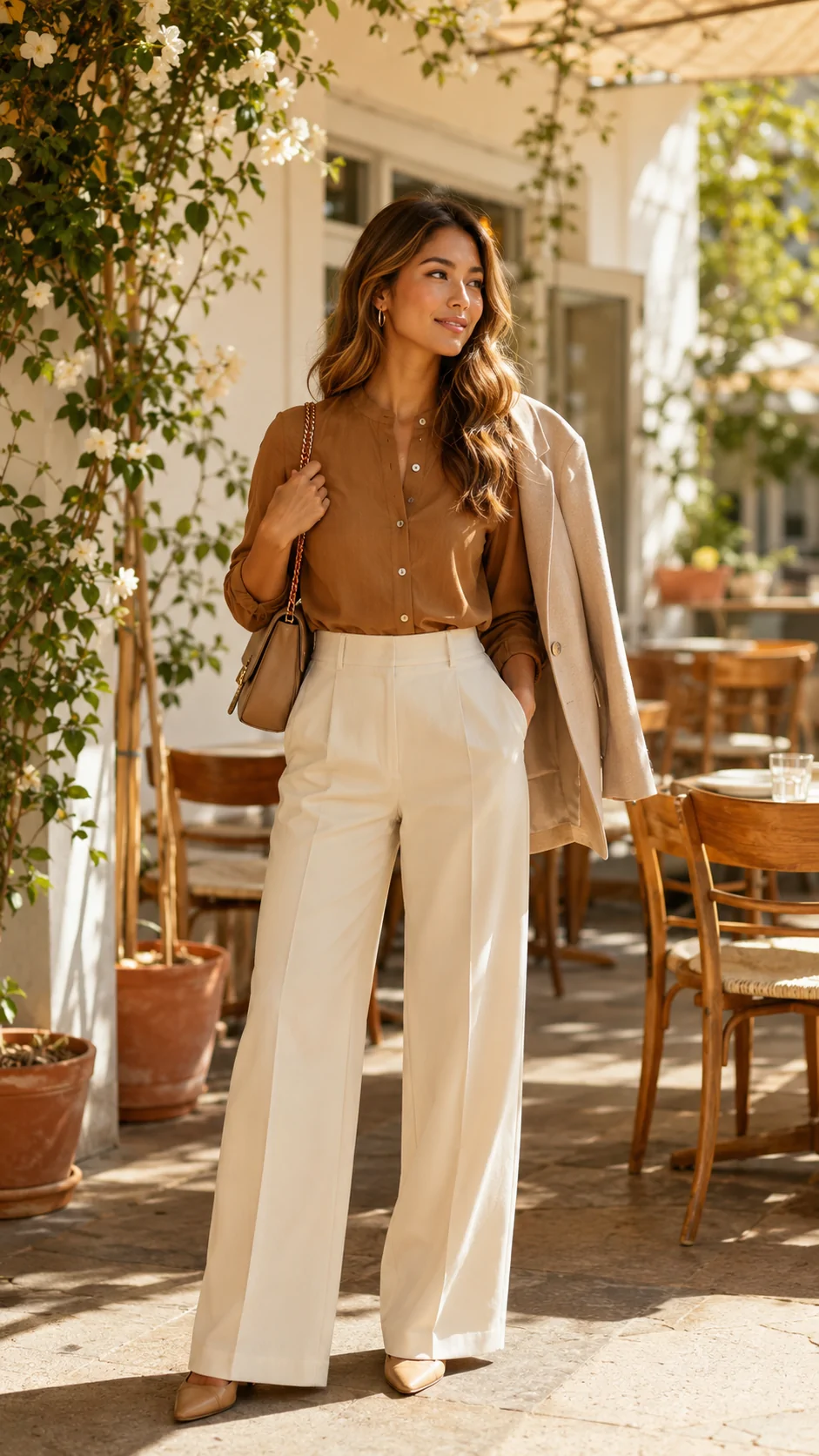
This shade has consistently ranked among the most requested summer hair colors because it flatters the widest range of skin tones from fair to deep. Colorists achieve the honey effect using a combination of babylights and a warm gloss, which layers golden tones through the mid-lengths and ends while leaving the root area darker for a natural depth gradient. The shade works on virgin brown hair with minimal lifting and on previously colored brunettes with a simple toner adjustment. Women with warm and neutral skin undertones see the most dramatic enhancement, though cooler skin tones can wear a slightly ashier version of honey brown that still reads warm without clashing.
Did You Know: Honey tones in hair color are created by carefully exposing the underlying pigment (pheomelanin) within the cortex of brown hair. This natural golden-orange pigment exists in every brunette’s hair and becomes visible when the correct amount of melanin is removed during lightening, which is why honey brown looks more natural than shades that require heavy artificial pigment deposits.
2. Cool Ash Brown
Ash brown strips away every trace of warmth and replaces it with smoky, muted, grey-kissed tones that read modern and editorial. This is the shade for women who love brown hair but dislike anything golden, coppery, or warm.

I tried ash brown during spring 2025 after years of warmer shades, and the shift completely changed how my face looked in photographs. The cool tone reduced the yellow cast that warm lighting often creates, and my skin looked clearer and more even beside the ashier hair. The shade works best on naturally light to medium brown bases because achieving a convincing ash on very dark hair requires significant lifting that can compromise strand integrity. Colorists use violet and blue-based toners to neutralize any warmth during processing, and maintaining the ashy finish requires a purple shampoo once a week to prevent the natural golden undertones from resurfacing. This shade fits within the broader hair color trend toward muted, lived-in tones that avoid obvious “salon hair” vibrancy.
3. Golden Caramel Brown
Golden caramel brown adds rich, butterscotch-like dimension through brunette hair using strategically placed highlights that brighten the overall color without shifting it out of the brown family. The shade reads as “enhanced natural” rather than colored, which is its greatest strength.
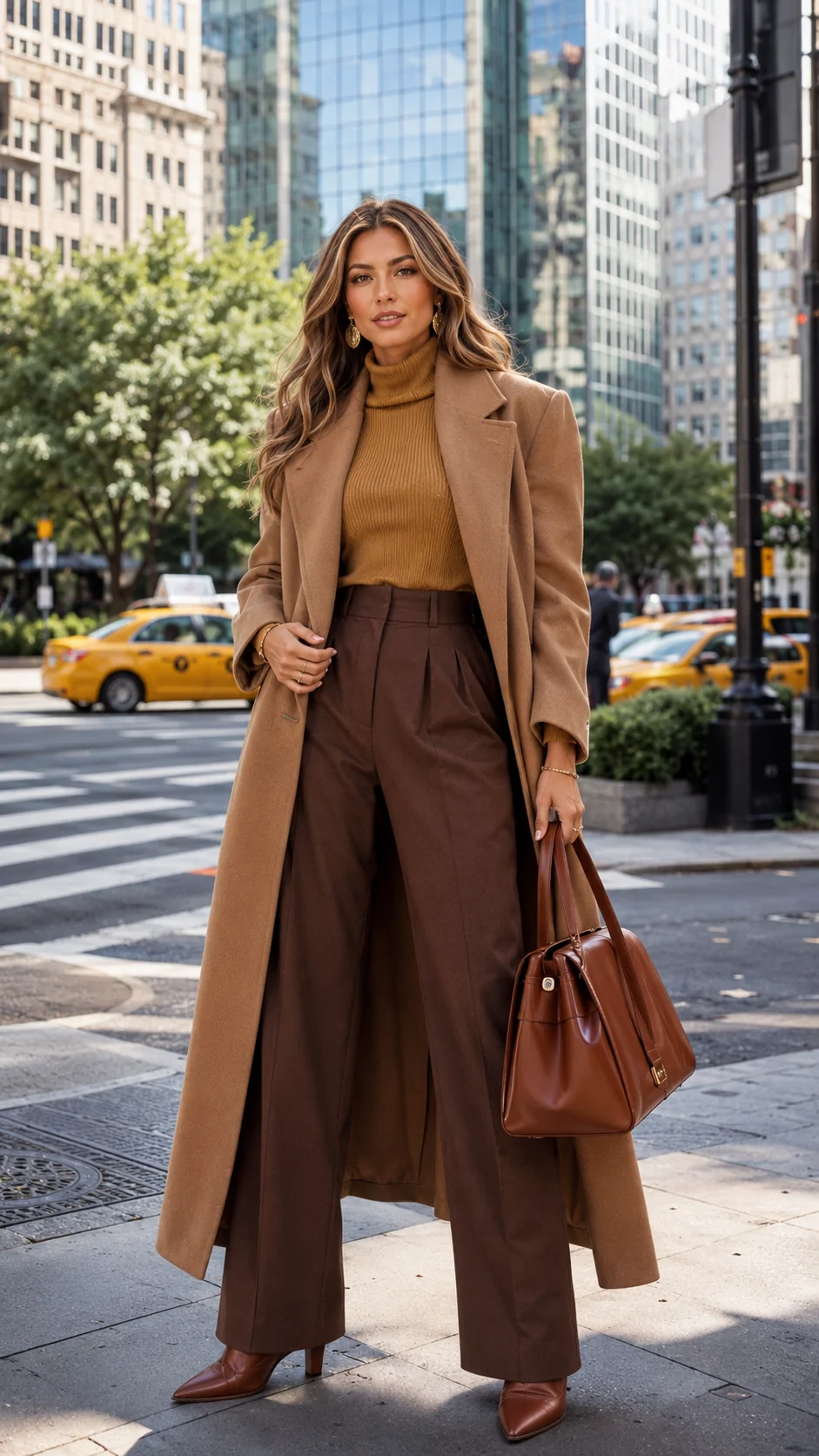
The technique behind golden caramel usually involves a freehand balayage that concentrates warmth around the face and gradually increases brightness toward the ends. This placement mirrors how the sun naturally lightens hair, creating a result that looks organic rather than manufactured. A thorough balayage guide covers the technical process in detail, including what to expect during the appointment and how to prep beforehand. Golden caramel grows out gracefully because the root remains dark, meaning touch-ups happen every three to four months rather than monthly. This shade suits warm, olive, and neutral skin tones particularly well, and it enhances brown and hazel eye colors by creating a tonal harmony between hair and eyes that reads effortlessly cohesive.
Pro Tip: Ask your colorist to apply the lightest caramel pieces directly around the hairline and part line. These face-framing highlights catch the most light during daily activities and create a brightening effect around the face that makes skin look warmer and more rested, even on tired mornings.
4. Deep Chocolate Brown
Deep chocolate brown is the richest, most saturated shade on this list, offering a brown so dark and glossy it borders on black in low light but reveals warm brown undertones the moment sunlight hits it. This is the “luxury brunette” shade that editorial stylists keep returning to.

My colleague at work switched from highlighted brown to a full-coverage deep chocolate last May, and the transformation was striking. Her hair looked thicker, healthier, and more polished immediately because the single-process color sealed the cuticle and created a reflective shine that highlighted hair cannot replicate. Deep chocolate is the lowest-maintenance brown on this list because it requires no lightening, no foils, and no multi-step processing. A semi-permanent or demi-permanent formula deposits the color without ammonia, meaning zero damage to the hair structure. This shade pairs well with every face shape and every summer haircut, from pixie cuts to waist-length layers, because the depth creates visual weight that makes any cut look more substantial.
5. Sun-Kissed Bronde
Bronde occupies the exact midpoint between brown and blonde, creating a shade that defies categorization. The summer 2026 version leans sun-kissed and golden rather than cool, producing a result that looks like your hair after two months of outdoor living.

Achieving true bronde requires careful calibration because the balance between brown and blonde must feel equal rather than one shade dominating the other. Colorists typically use a combination of highlights and lowlights to weave blonde and brown tones together so seamlessly that no single strand reads as definitively one or the other. The shade photographs differently in every lighting condition, appearing more blonde in direct sunlight and more brunette in shade, which creates visual interest that single-tone colors cannot match. Bronde flatters all skin tones because the mix of warm and neutral tones adapts to whatever is beside it, and it has become one of the most searched hair color inspirations for women who want visible change without committing to full blonde.
Warning: Bronde requires more precise color formulation than most shades on this list. A colorist who goes too light produces generic blonde highlights, and one who stays too dark creates traditional brown with invisible dimension. Always bring three to four reference photos showing the exact brown-to-blonde ratio you want, and book with a colorist who specializes in dimensional color rather than single-process services.
6. Cinnamon Mocha Brown
Cinnamon mocha combines warm reddish-brown tones with deep coffee notes, creating a shade that feels spiced, rich, and distinctly warm without crossing into full auburn or red territory. The color reads as an elevated version of natural medium brown with just enough warmth to feel interesting.
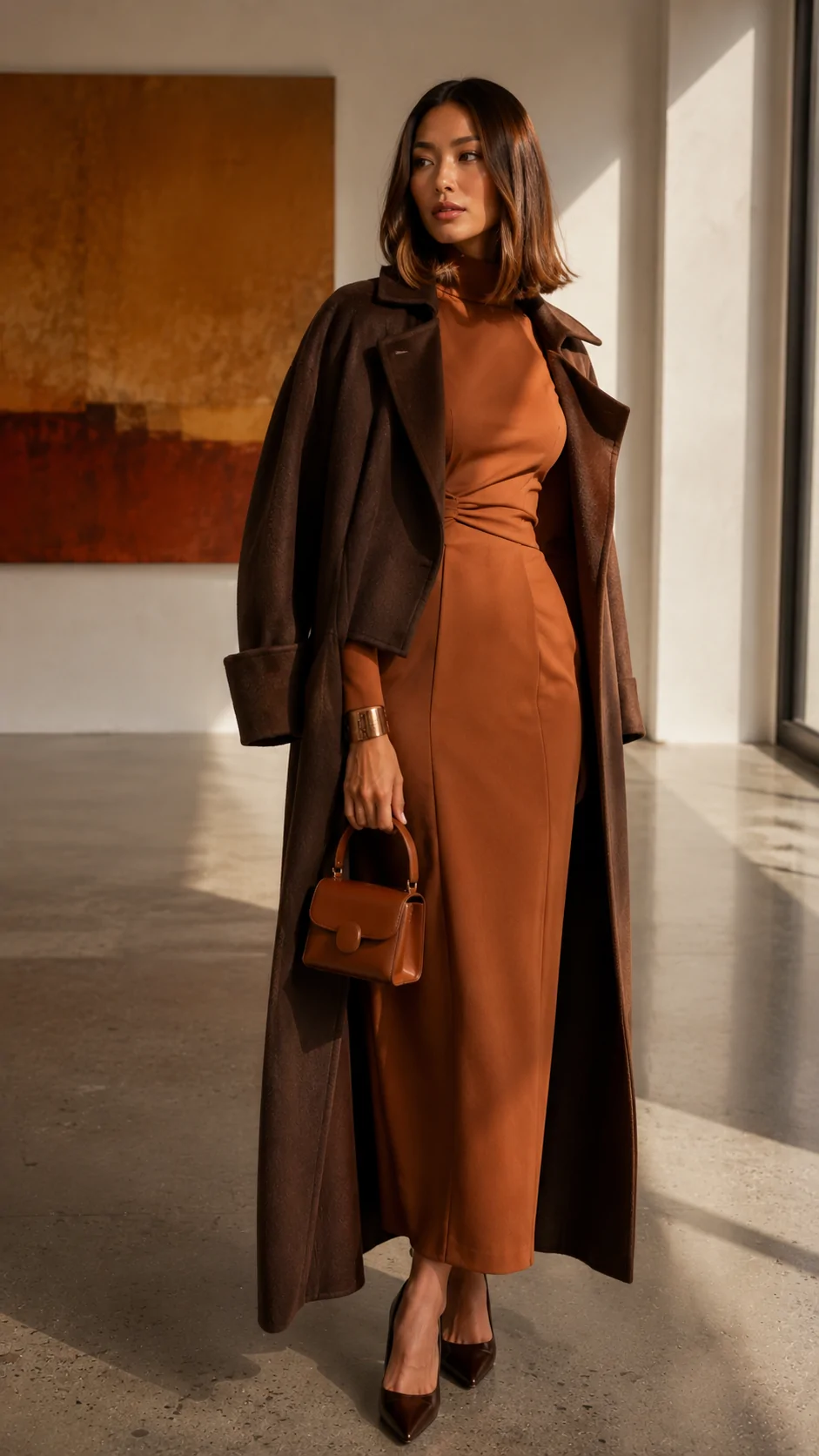
I noticed this shade appearing on several runway models during New York Fashion Week earlier this year, and it has since filtered into mainstream salon requests across the country. The warmth in cinnamon mocha comes from red and copper pigments woven through the base rather than applied over the top, which means the color reveals itself gradually in different lighting rather than hitting you all at once. This shade looks especially striking on women with olive and warm skin tones because the spiced undertone complements the natural warmth in the complexion. The seasonal versatility is a strong selling point; cinnamon mocha transitions naturally from spring into summer and deepens beautifully into fall without needing a new color appointment.
7. Soft Chestnut with Copper Flecks
Soft chestnut is a medium brown with subtle reddish-copper threads woven throughout, creating a multidimensional shade that shifts between warm brown, soft red, and gentle copper depending on the light. The effect is natural, luminous, and unmistakably autumn-meets-summer.

Women who want the warmth of copper without committing to a full copper transformation find chestnut with copper flecks to be the ideal middle ground. The copper sits within the brown rather than on top of it, meaning it enhances rather than replaces the base color. Colorists apply the copper tones using fine foil highlights or a specialized gloss that deposits metallic warmth selectively. This shade pairs particularly well with summer bob haircuts and layered cuts where the layers separate and reveal the copper threading as the hair moves. The one consideration is maintenance; copper pigments fade faster than any other hair color molecule, requiring a color-depositing conditioner between salon visits to keep the warmth consistent.
Try This: Mix a copper color-depositing conditioner (brands like dpHue, Overtone, or Keracolor offer excellent options) into your regular conditioner at a 1:3 ratio and apply once a week. This maintains the copper flecks between salon visits without depositing so much pigment that the color shifts away from chestnut territory.
7 Summer Brown Shades Compared
| Shade | Undertone | Best Skin Tone | Maintenance Level | Technique | Damage Level |
|---|---|---|---|---|---|
| Warm Honey Brown | Golden, warm | All skin tones | Low to medium | Babylights + gloss | Low |
| Cool Ash Brown | Grey, cool | Cool, neutral | Medium | Full color + toner | Low |
| Golden Caramel Brown | Butterscotch, warm | Warm, olive, neutral | Low | Balayage | Low to medium |
| Deep Chocolate Brown | Warm, subtle | All skin tones | Very low | Single process | Minimal |
| Sun-Kissed Bronde | Golden, neutral | All skin tones | Medium | Highlights + lowlights | Medium |
| Cinnamon Mocha | Red, warm | Warm, olive | Medium | Color + gloss | Low |
| Soft Chestnut + Copper | Copper, warm | Warm, olive, neutral | High | Fine foils + gloss | Low to medium |
How to Maintain Brown Hair Color Through Summer UV Exposure
Brown hair color fades differently than blonde or red because the darker pigment molecules are larger and break down more slowly under UV light. That said, colored brown hair still requires active protection to prevent the warm tones from shifting, dulling, or turning brassy over the course of a summer.

UV-protectant hair products (sprays, leave-ins, and serums containing UV filters) create a shield over the cuticle that absorbs UV radiation before it reaches the color molecules underneath. Brands like Pureology, Living Proof, and Aveda offer lightweight UV formulas that do not weigh hair down or leave residue. Wearing a hat on high-exposure days provides the most reliable protection, and wetting hair with fresh water before swimming prevents chlorine and salt from penetrating the cuticle and stripping color. Following a consistent healthy hair maintenance routine that includes weekly conditioning masks and sulfate-free shampoo extends color vibrancy by three to four weeks between salon visits.
Important Note: Hard water (high mineral content) accelerates brown hair color fading and can deposit a greenish or brassy cast over time. If your home has hard water, installing an affordable shower head filter removes the minerals that interact with color molecules and keeps your brown shade true to tone between appointments.
Finding the Right Colorist for Dimensional Brown Hair
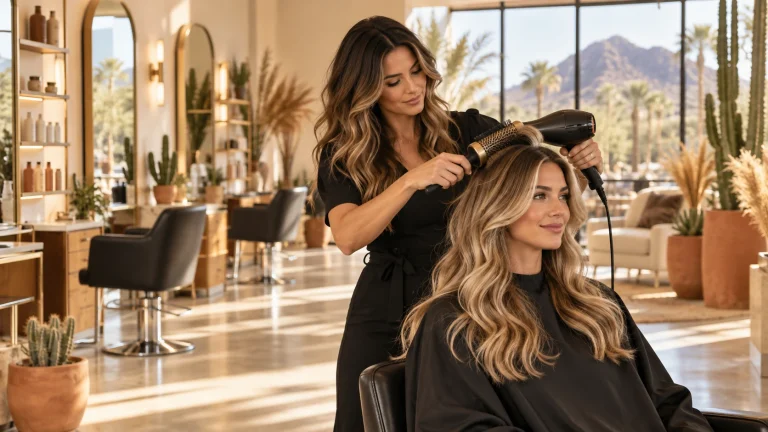
Not every colorist specializes in brunette work, and finding one who does makes a measurable difference in the quality and longevity of your brown shade. Brown hair requires a different skill set than blonde because the tonal adjustments are subtler and the margin for error is narrower.

Ask potential colorists to see photos of their brunette clients specifically, not just their general portfolio. A colorist who excels at brunette work will have examples showing dimension, tonal variation, and natural-looking depth rather than flat, single-process results. During the consultation, a good colorist will assess your natural base color, previous chemical history, and skin undertone before suggesting a shade. Booking with a salon that has strong client reviews and specialization in color services reduces the risk of a result that does not match your expectations. The initial consultation should be free at most reputable salons, and walking in with reference photos (three to five images showing the exact shade and dimension you want) gives your colorist a clear starting point.
Choosing Between Permanent and Semi-Permanent Brown Color
The decision between permanent and semi-permanent color impacts how brown hair looks on day one, how it fades over weeks, and how much damage the process creates. Understanding the difference prevents choosing the wrong formula for your hair goals.
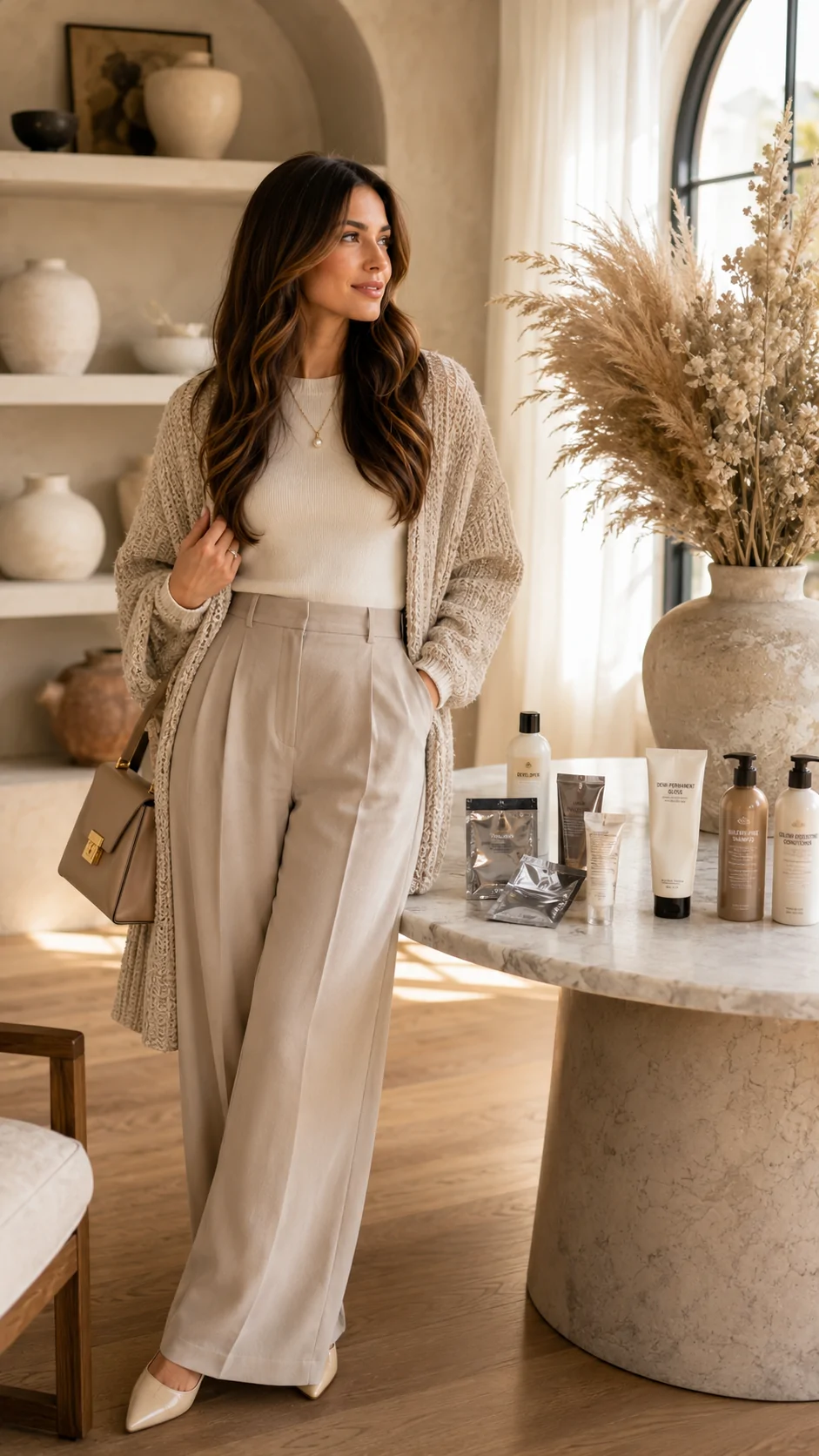
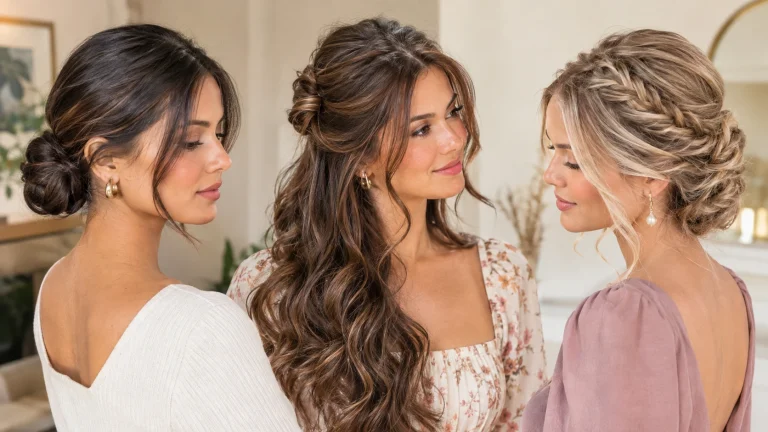
Permanent color opens the cuticle with ammonia to deposit pigment deep within the cortex, producing vibrant, long-lasting results that cover grey completely and resist fading for six to eight weeks. The trade-off is some structural damage and a visible grow-out line as roots appear. Semi-permanent and demi-permanent formulas deposit color on the cuticle surface without ammonia, producing a more natural, translucent result that fades gradually over four to six weeks with zero damage. For women who want enhanced brown without commitment, a demi-permanent gloss adds richness, shine, and tonal depth while washing out evenly rather than leaving a harsh root line. This makes it ideal for women pairing brown color with a modern summer haircut where the grow-out needs to look intentional rather than neglected. FYI, glosses and semi-permanent treatments also serve as excellent maintenance tools between permanent color appointments, refreshing tone and shine without additional processing damage.
Common Mistake: Choosing permanent color when a semi-permanent or gloss would achieve the same visual result with less damage. If you are not covering grey and your natural base is already brown, a demi-permanent gloss adds warmth, depth, and shine without the commitment or structural cost of permanent dye.
Summer brown hair color ideas for 2026 prove that brown is anything but boring when the right shade and technique meet the right colorist. Pick the tone that matches your skin, commit to the maintenance your schedule allows, and let dimensional brown hair carry you through the season with effortless, natural confidence.