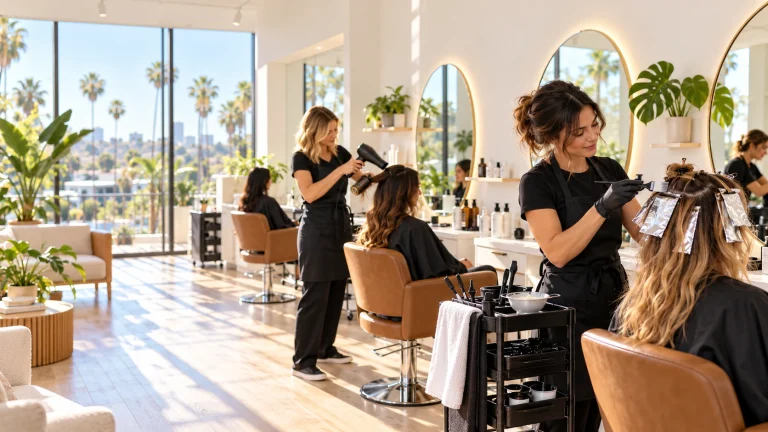
Why Are These 10 Women’s Fashion Trends 2026 Quietly Replacing Everything in Your Closet?
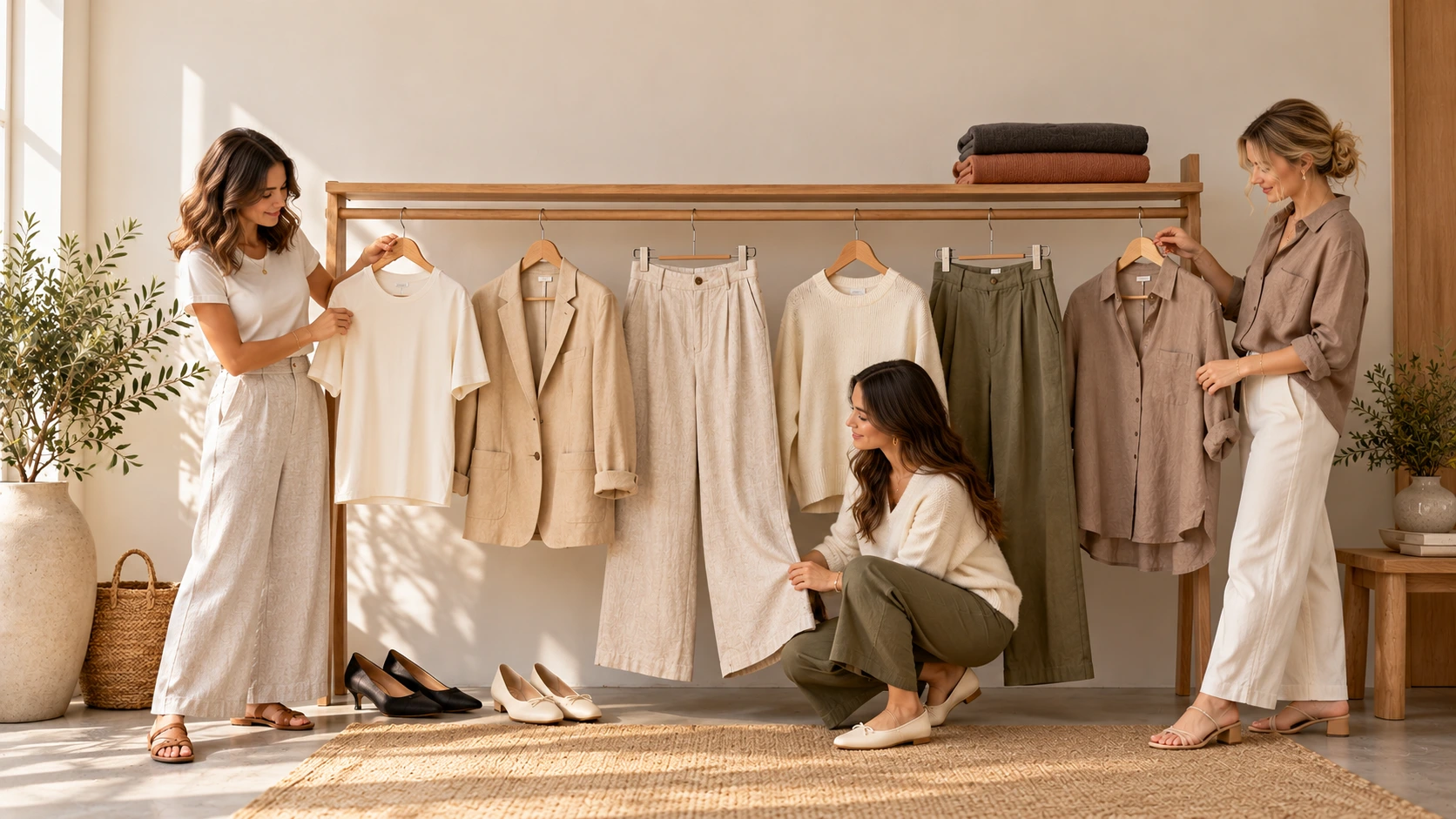
Something unusual is happening in women’s fashion in 2026 that most people have not consciously noticed yet. The pieces you reach for every morning are slowly being replaced by alternatives that look similar but function completely differently, and the shift is happening so gradually that your closet is transforming without a single dramatic shopping spree.

These ten women’s fashion trends for 2026 are not loud, seasonal fads that disappear in three months. They are quiet, permanent replacements for outdated staples that have dominated wardrobes for years, and understanding what is changing and why helps you make smarter purchasing decisions before your current closet feels completely out of step. The broader fashion trends shaping 2026 confirm that this shift toward intentional, versatile dressing is industry-wide rather than a niche movement.
1. Quiet Luxury Basics Over Logo-Heavy Pieces
The visible branding era is fading as consumers shift toward unbranded, quality-first basics that signal taste through fabric, fit, and construction rather than logos. Brands like The Row, Toteme, and COS have built their entire business models around this philosophy, and mass-market retailers are now following the same direction.

The practical implication is that investing in a well-made, unbranded white tee, a perfectly cut trouser, or a structured blazer in premium fabric delivers more style longevity than a logo-heavy piece that dates itself to a specific season. This quiet luxury approach naturally supports capsule wardrobe building because neutral, unbranded basics pair with everything without competing for visual attention.
Pro Tip: When evaluating a basic piece for quiet luxury quality, check three things: the weight of the fabric in your hand, the finishing of the interior seams, and whether the buttons feel substantial. These three details separate a ten-dollar basic from a fifty-dollar investment piece more reliably than any brand label.
Why it works for long-term wardrobes:
Quiet luxury basics do not expire with seasonal trends because their appeal comes from quality rather than recognizable branding. A well-made piece from five years ago looks identical to a well-made piece purchased today.
- Best for: Building a timeless, season-proof wardrobe foundation
- Fabric: Pima cotton, organic cotton, merino wool, cashmere blends
- Color palette: White, black, navy, camel, gray, oatmeal
2. Relaxed Tailoring Replacing Structured Suiting
The rigid, heavily structured suit that dominated workwear for decades is being quietly replaced by relaxed tailoring that maintains professionalism while acknowledging that real bodies need room to move, breathe, and sit comfortably for eight-hour work days.
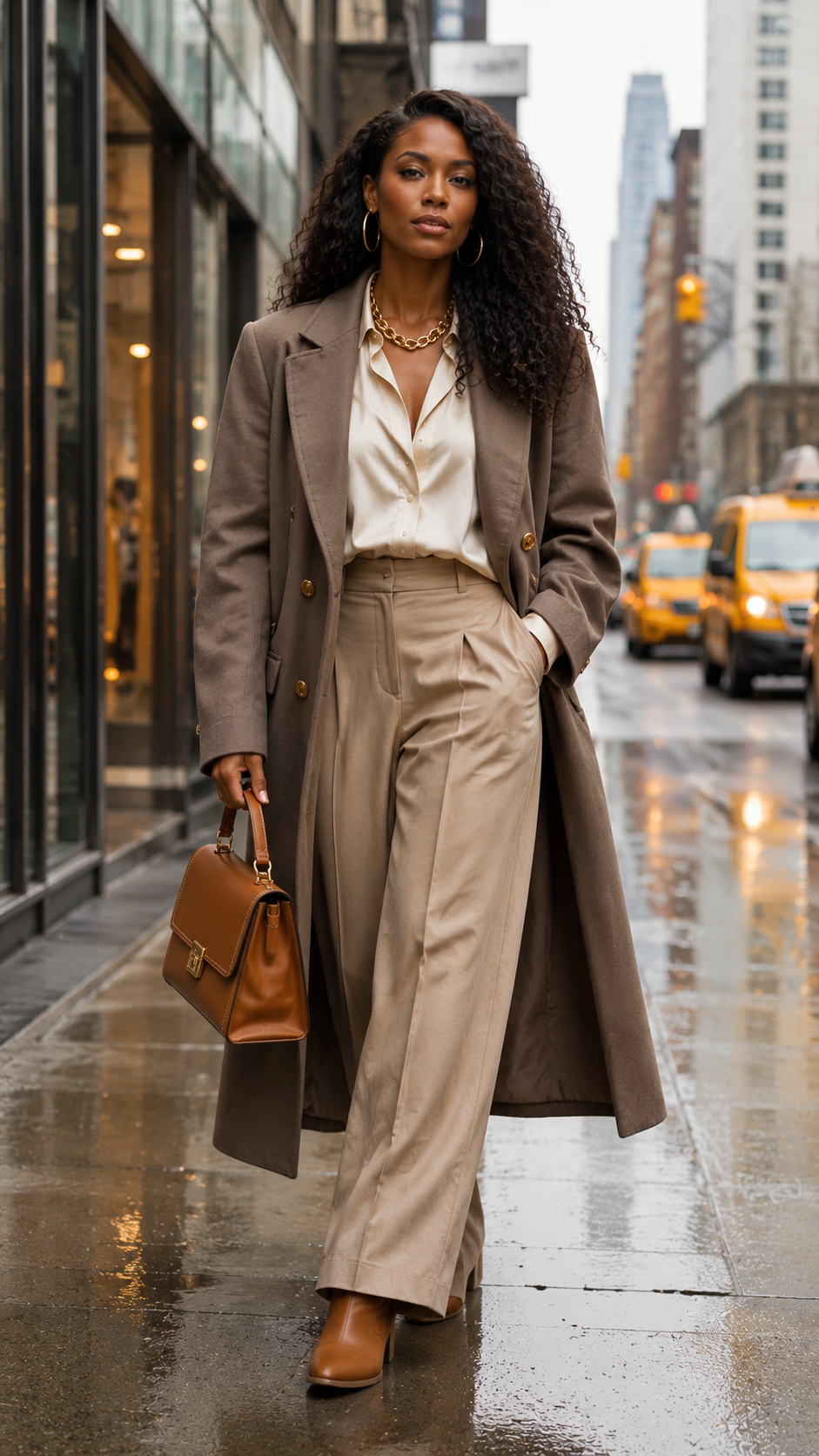
Relaxed tailoring means wider legs, softer shoulders, unlined construction, and fabrics that drape rather than hold a fixed shape. The silhouette still reads as professional and polished, but the comfort level is closer to loungewear. This shift directly impacts how women approach business casual office dressing because the new tailoring standards prioritize wearability alongside appearance.
Why it works for modern workplaces:
The workplace dress code evolution has accelerated since 2020, and relaxed tailoring meets the new standard where polish matters but rigid formality does not. A soft-shouldered blazer communicates the same authority as a padded one without the physical discomfort.
- Best for: Office wear, client meetings, professional events, smart-casual settings
- Fabric: Unlined linen, cotton-viscose blends, soft ponte, lightweight wool
- Color palette: Sand, soft gray, navy, olive, warm charcoal
3. Butter-Soft Neutrals Pushing Out Stark White and Black
The sharp contrast of pure white and solid black is being softened across 2026 wardrobes by a range of butter-soft neutrals that include warm ivory, oatmeal, sand, mushroom, and soft taupe. These shades create a warmer, more approachable palette that photographs better and flatters a wider range of skin tones.
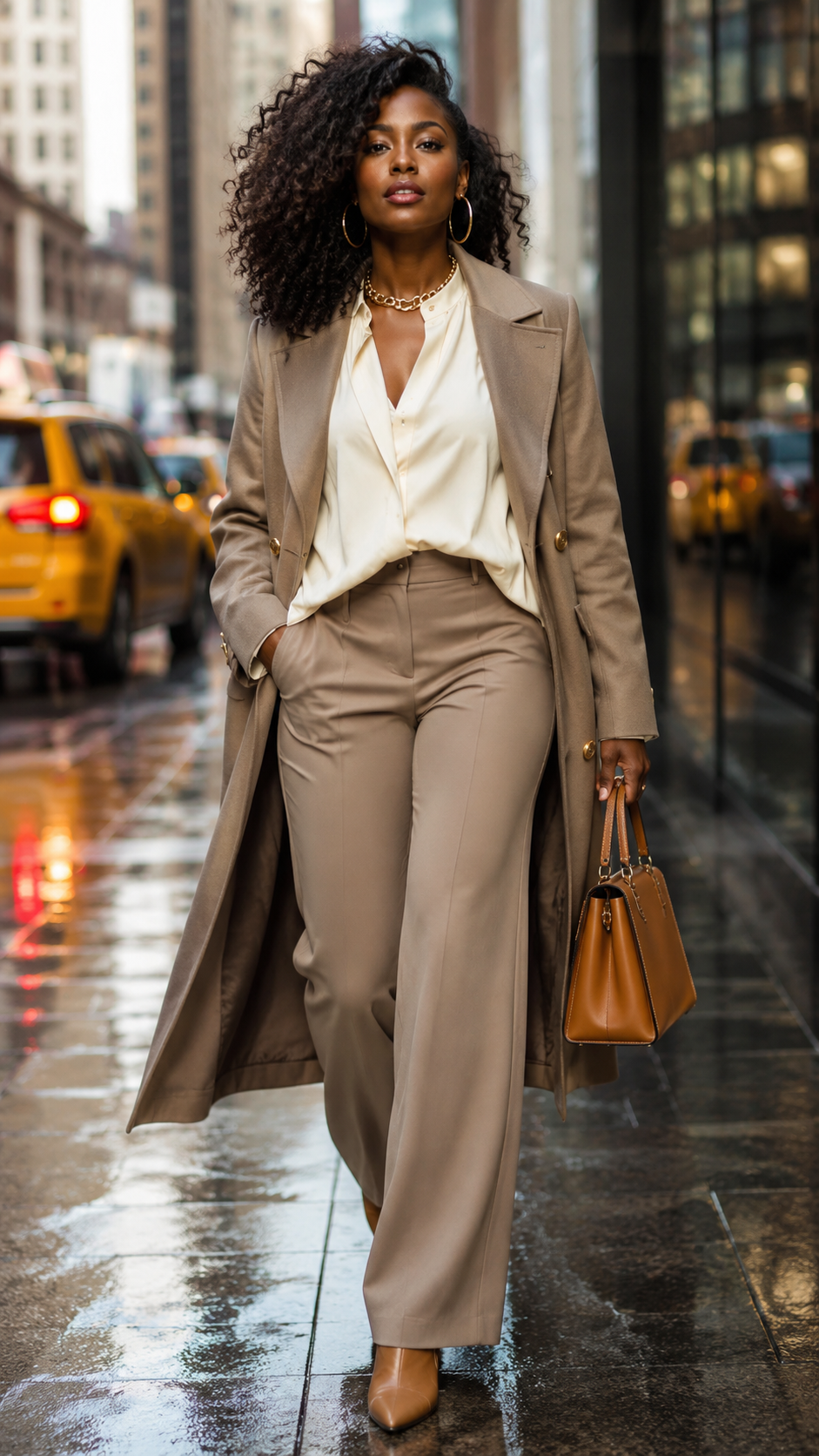
The shift does not mean black and white are disappearing, but the default reach is changing. Where a woman might have automatically grabbed a white tee or a black blazer in previous years, the 2026 instinct reaches for cream and warm charcoal instead. This tonal evolution integrates seamlessly into casual spring and summer styling where harsh contrasts feel out of step with the season’s softer visual language.
Why it works for everyday color coordination:
Butter-soft neutrals coordinate with each other automatically, eliminating the color-matching anxiety that comes with bolder palettes. An outfit assembled entirely in warm neutrals always looks intentional.
- Best for: Effortless coordination, warm-weather styling, monochromatic looks
- Fabric: Any fabric works; the shift is color-driven rather than fabric-specific
- Color palette: Warm ivory, oatmeal, sand, mushroom, soft taupe, warm charcoal
4. Wide-Leg Everything Dethroning Skinny Silhouettes
The skinny jean, skinny trouser, and slim-fit pant era is being comprehensively replaced by wide-leg alternatives across every category. Wide-leg jeans, relaxed trousers, flowing palazzo pants, and structured culottes now occupy the default position that skinny fits held for over a decade.

The shift is driven by both aesthetics and practicality; wide-leg silhouettes provide better airflow, more comfortable all-day wear, and a proportional balance that stylists describe as more universally flattering across body types. The denim trends dominating 2026 reflect this shift most clearly, with barrel-leg, straight-leg, and full wide-leg cuts outselling skinny fits by significant margins at every major retailer.
Why it works for all body types:
Wide-leg silhouettes create a visual column from hip to ankle that elongates the leg line rather than highlighting every curve. The balanced proportion flatters athletic, curvy, petite, and tall frames equally.
- Best for: Universal flattering fit, all-day comfort, seasonal versatility
- Fabric: Cotton denim, linen, crepe, tencel, ponte
- Color palette: Medium wash denim, cream, khaki, black, olive
5. Sheer and Mesh Layering as Everyday Styling
Sheer and mesh fabrics have moved from editorial fashion and nightlife into legitimate everyday layering pieces in 2026. A sheer long-sleeve top over a structured tank, a mesh turtleneck under a blazer, or a translucent blouse worn with a visible bralette now registers as standard styling rather than provocative fashion.
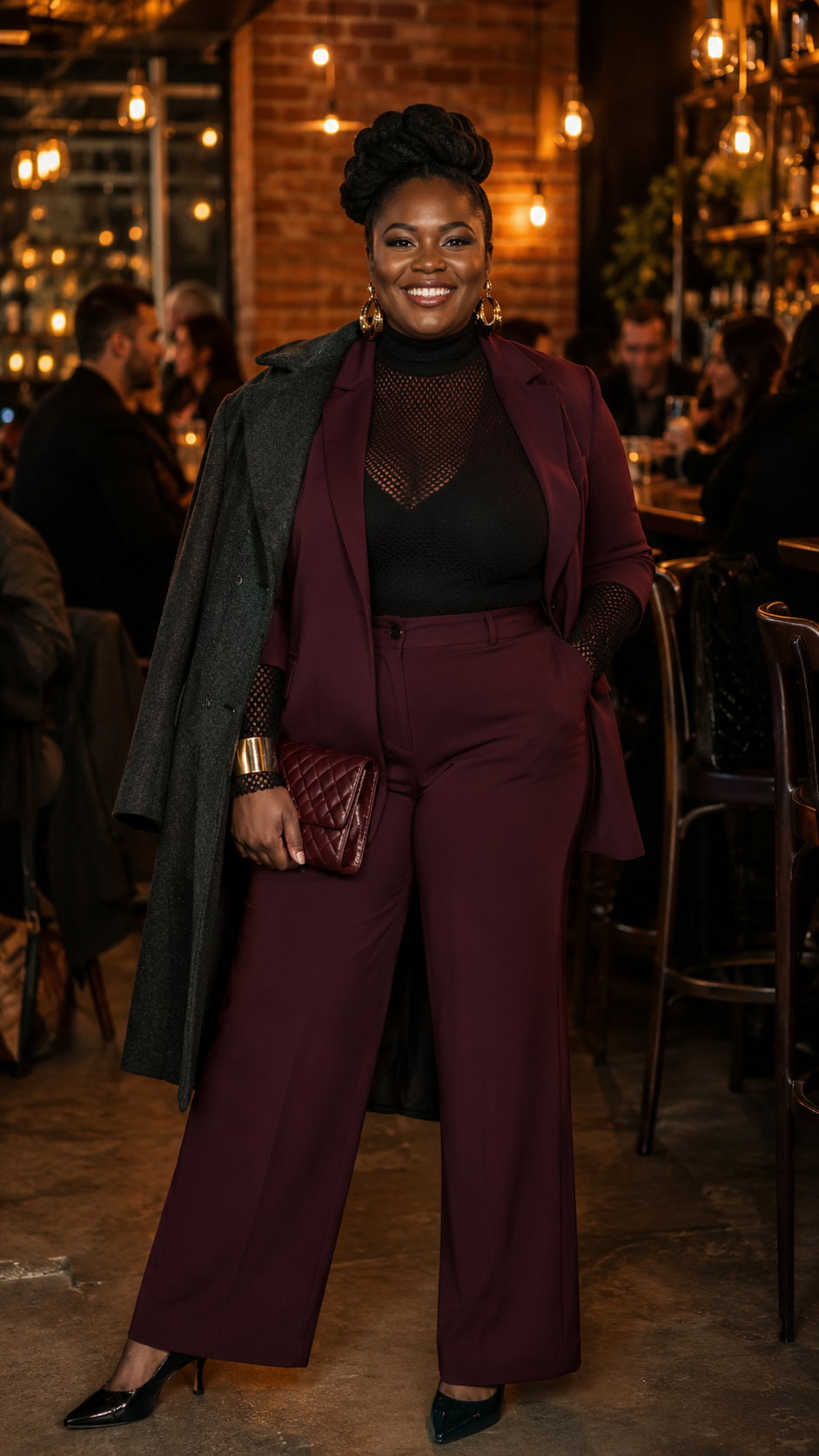
The mainstreaming of sheer elements has been driven by celebrities, street style, and the practical reality that sheer layers add visual interest without adding heat. This approach works particularly well for summer evening and city styling where temperatures demand minimal layering but occasions call for a more dressed-up appearance.
Warning: Sheer fabrics that appear opaque under indoor lighting can become significantly more transparent in direct sunlight or under bright restaurant lighting. Always check sheerness by holding the garment up to a light source before wearing it in public, and pair with a skin-toned undergarment rather than a contrasting color if you want subtlety over statement.
Why it works for effortless layering:
Sheer pieces add depth and texture to outfits without the bulk or heat of traditional layering. The visual complexity of seeing one garment through another creates a styled look with minimal actual effort.
- Best for: Evening outfits, layered daytime looks, transitional weather styling
- Fabric: Mesh, chiffon, organza, tulle, sheer knit
- Color palette: Black, white, nude tones, soft pastels for understatement
6. Linen and Natural Fibers Over Synthetic Fabrics
The consumer shift away from polyester and nylon toward linen, cotton, tencel, and hemp reflects both a sustainability awareness and a comfort-driven demand that synthetic fabrics cannot satisfy. The difference in how natural fibers regulate body temperature compared to synthetics becomes impossible to ignore once a woman experiences a full summer day in linen versus polyester.
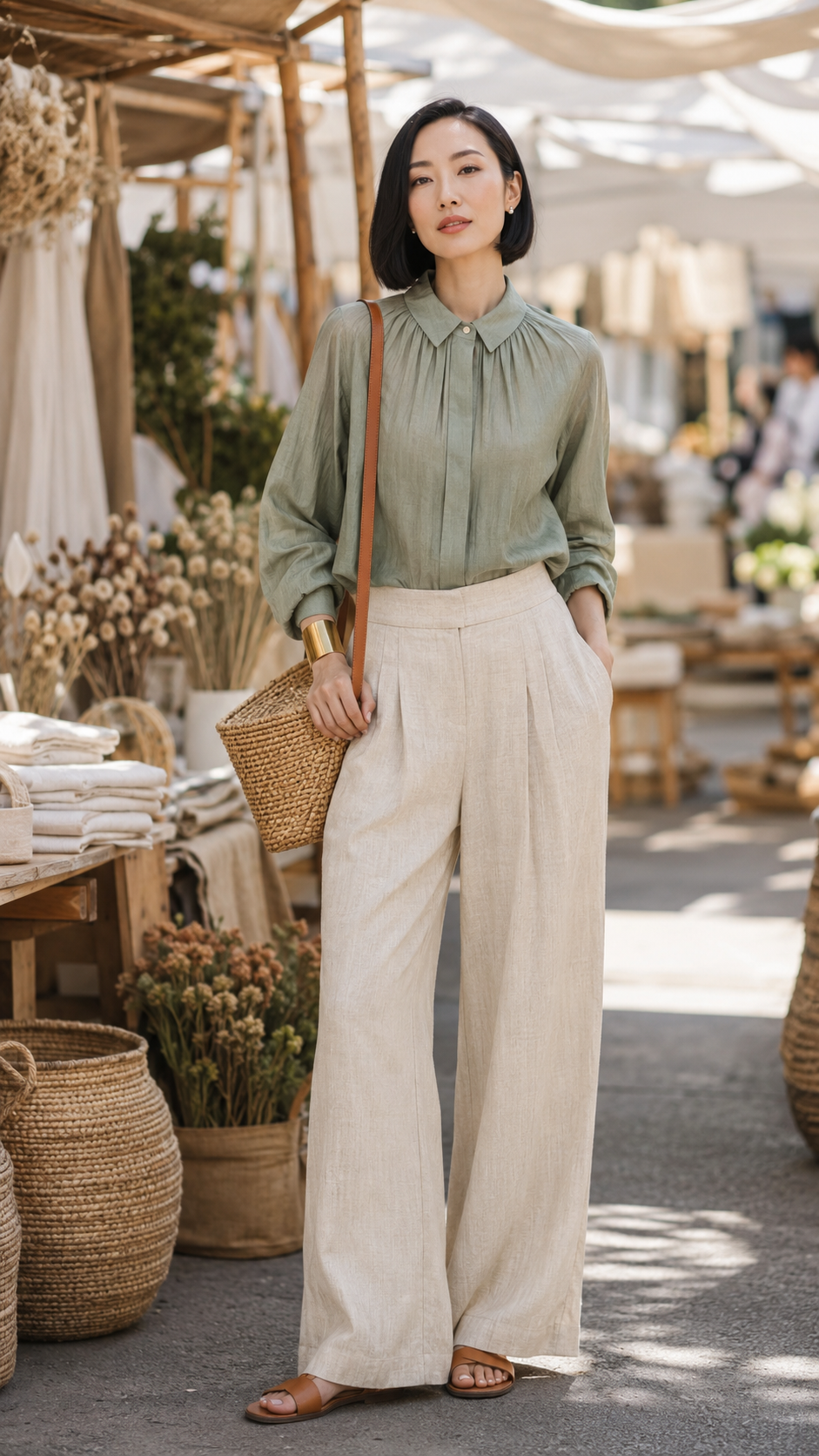
Retailers have responded by expanding their natural fiber offerings across all price points, making linen trousers, cotton dresses, and tencel tops accessible at Zara and H&M price levels rather than exclusively luxury price brackets. This fabric shift connects directly to how women approach beach and outdoor summer styling where fabric performance impacts comfort as much as design.
Why it works for sustainable, comfortable wardrobes:
Natural fibers breathe, biodegrade, and improve in texture with each wash rather than pilling, trapping heat, and contributing to microplastic pollution. The choice pays dividends in comfort and environmental impact simultaneously.
- Best for: Summer wardrobes, sustainable dressing, heat management
- Fabric: Linen, organic cotton, tencel, hemp, bamboo viscose
- Color palette: Natural, undyed tones perform best; all colors available
7. Kitten Heels and Ballet Flats Replacing Stilettos
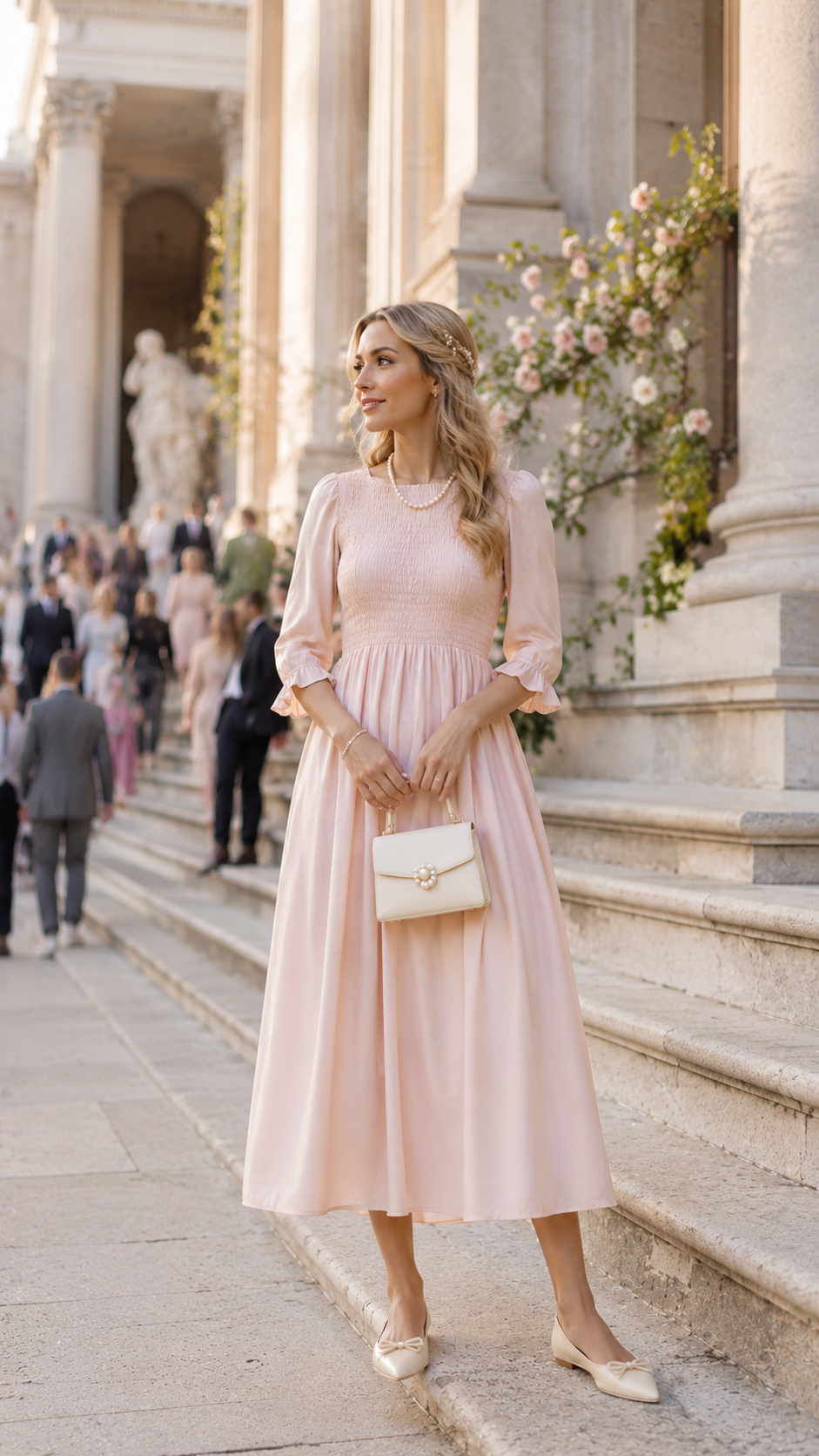
The stiletto’s reign as the default dressed-up shoe is ending as kitten heels, ballet flats, and low-profile mules replace them across office, evening, and event settings. The shift reflects a collective decision that the pain and mobility limitations of high heels are no longer worth the aesthetic trade-off.
Brands like Aeyde, Mansur Gavriel, and Mango have released kitten heel and ballet flat collections that deliver the polished, dressy appearance that occasions require without the discomfort that stilettos guarantee after thirty minutes of standing. The rise of comfortable performance footwear across all categories has raised consumer expectations for what shoes should feel like during extended wear.
Did You Know: Podiatric research published in 2025 showed that women who switched from heels above three inches to shoes below two inches experienced a 60 percent reduction in foot pain, knee strain, and lower back discomfort within six weeks. The study’s wide media coverage accelerated the kitten heel and flat trend significantly throughout 2026.
Why it works for real-life wearability:
Kitten heels and flats allow women to walk, commute, and stand through full events without the fatigue cycle that stilettos create. The polished appearance satisfies dress codes without the physical cost.
- Best for: Office, events, commuting, all-day wear, travel
- Fabric: Leather, suede, patent leather, satin for evening
- Color palette: Black, nude, metallic gold, burgundy, cream
8. Oversized Blazers as the New Everyday Jacket
The oversized blazer has replaced the leather jacket, the denim jacket, and the cardigan as the default layering piece for 2026. Its ability to transform any outfit from casual to polished while providing light coverage makes it the most versatile outerwear piece in the current fashion landscape.
The oversized fit specifically works because it layers over everything without the tight-shouldered restriction that traditional blazers create. Wearing an oversized blazer over a simple tank and jeans creates the same elevated city-chic look that previously required more complicated outfits to achieve.
Why it works for universal layering:
The oversized blazer adapts to every setting by absorbing the formality of whatever it covers. Over gym clothes, it reads as street style. Over a midi dress, it reads as professional. The blazer does not change; the context does.
- Best for: Everyday layering, casual-to-dressy transitions, travel, office
- Fabric: Unlined cotton, linen-blend, lightweight wool, ponte
- Color palette: Black, cream, sand, soft gray, camel
9. Earth-Toned Minimalism Over Bold Color Blocking
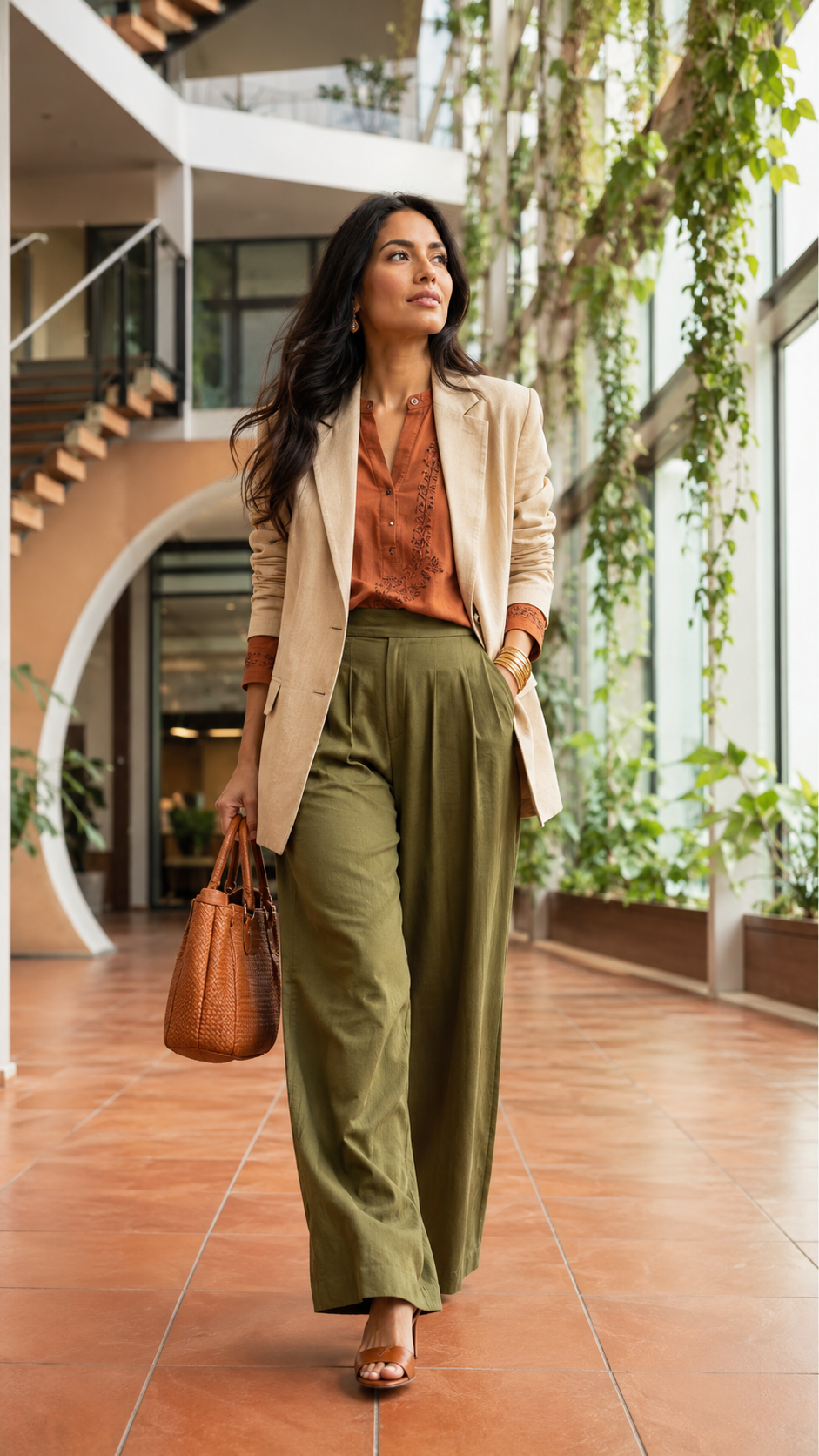
The loud color-blocking trend of previous years is giving way to earth-toned minimalism where outfits stay within a single tonal family rather than contrasting two or three bold colors. The earth-toned approach creates a cohesive, sophisticated visual that feels modern without demanding attention.

Sage, terracotta, warm brown, olive, and muted clay have replaced cobalt blue, hot pink, and neon green as the accent colors of choice. The result is wardrobes that coordinate effortlessly because every piece exists within the same warm, muted spectrum. Pairing earth-toned pieces with fluid skirt silhouettes or structured trousers creates the refined simplicity that defines 2026 style.
Common Mistake: Attempting earth-toned minimalism by wearing identical shades from head to toe creates a flat, monolithic look rather than a sophisticated one. The key is using two to three shades within the same tonal family with subtle contrast; for example, pairing warm sand with deeper camel and a touch of olive rather than wearing all-beige.
Why it works for effortless sophistication:
Earth tones naturally harmonize because they share underlying warm undertones that prevent clashing. Any combination within the palette works, which makes getting dressed significantly faster and less stressful.
- Best for: Minimal wardrobes, tonal dressing, all-season styling
- Fabric: Any; earth tones work across every fabric category
- Color palette: Sage, terracotta, warm brown, olive, clay, sand, muted rust
10. Functional Fashion: Pockets, Adjustable Waists, and Multi-Use Pieces
The most significant quiet shift in 2026 fashion is the expectation that every piece must be functional beyond looking good. Real pockets, adjustable waistbands, convertible silhouettes, and wrinkle-resistant fabrics are no longer premium features; they are baseline consumer expectations.

This functionality-first mindset has reshaped how women shop, prioritizing pieces that solve real problems like the pocket problem, the commute comfort problem, and the travel packing problem over pieces that simply look good on a hanger. Brands that ignore functionality in favor of pure aesthetics are losing market share to competitors who deliver both.
Why it works for real-life wardrobes:
Fashion that works for real life, including commutes, desk hours, dinner plans, and weekend activities, gets worn repeatedly. Pieces that only work for photographs or specific narrow occasions get abandoned. Functionality drives cost-per-wear value.
- Best for: Multi-setting wardrobes, travel, daily wear, practical luxury
- Fabric: Tech-stretch blends, cotton with spandex, performance linen
- Color palette: All colors; functionality is design-driven rather than color-driven
How to Transition Your Wardrobe Without Starting Over
Replacing an entire closet at once is both financially impractical and environmentally wasteful. The smarter approach is identifying which outdated pieces get the least wear and replacing them one at a time with trend-aligned alternatives that serve multiple purposes.

| Piece to Phase Out | 2026 Replacement | Why the Swap Works |
|---|---|---|
| Skinny jeans | Wide-leg or straight-leg denim | More flattering, more comfortable, more current |
| Logo-heavy basics | Unbranded quality basics | Longer style lifespan, better versatility |
| Stiletto heels | Kitten heels or ballet flats | Equal polish with dramatically better comfort |
| Structured power suit | Relaxed tailored separates | Same professionalism without physical restriction |
| Bright color-blocked pieces | Earth-toned tonal outfits | Easier coordination, more sophisticated visual |
| Polyester fast fashion | Natural fiber alternatives | Better comfort, sustainability, longer lifespan |
The transition happens naturally over six to twelve months as worn-out pieces need replacement. Choosing replacements that align with these trends ensures your wardrobe evolves without a dramatic overhaul. Building the new direction into a refined, age-appropriate wardrobe ensures the investment serves your style for years rather than months.
Try This: Review your closet and identify the five pieces you reach for least. Replace each one over the next three months with a trend-aligned alternative from this list, and notice how the updated pieces immediately increase your daily outfit options.
The Psychology Behind Why Women Are Choosing Fewer, Better Pieces
The shift toward quality over quantity is not just a fashion trend; it is a psychological response to decision fatigue, environmental awareness, and a collective realization that large wardrobes create more stress than they solve.
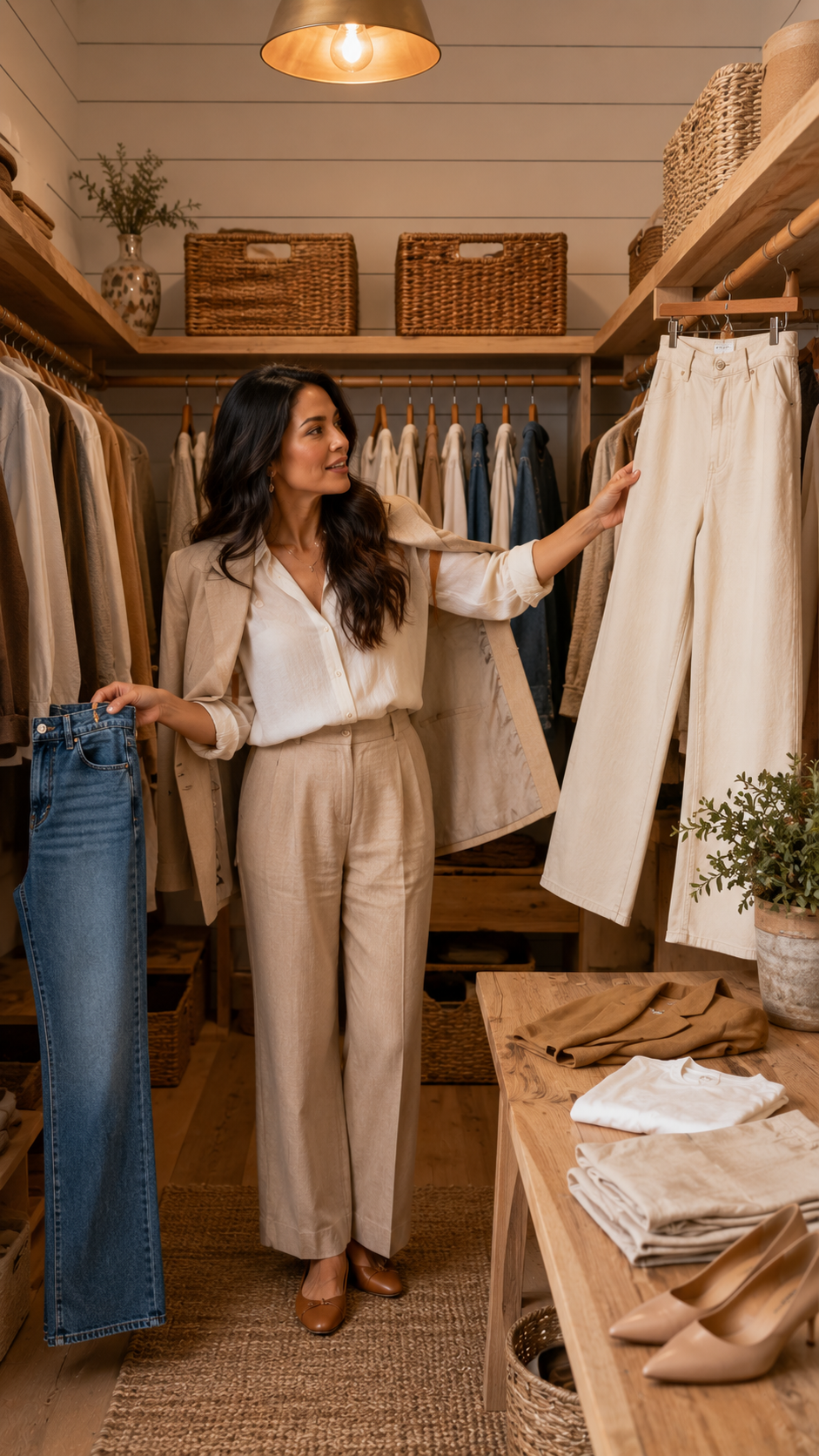
Research on consumer behavior shows that women with smaller, curated wardrobes report higher daily satisfaction with their outfits than women with significantly larger closets. The paradox of choice, where too many options creates anxiety rather than freedom, explains why a closet of thirty well-chosen pieces outperforms a closet of two hundred random purchases. This mindset applies equally across age groups, from younger consumers building first wardrobes to established professionals refining their personal style.
Did You Know: A 2025 consumer study found that the average woman wears only 20 percent of her wardrobe regularly, meaning 80 percent of purchased clothing sits unused. The “quiet closet” movement in 2026 directly addresses this waste by encouraging purchases based on versatility scores rather than impulse appeal.
What Industry Insiders Predict for the Second Half of 2026
Fashion forecasters and retail analysts agree that the ten trends identified in this article will intensify rather than reverse during the fall and winter seasons. The quiet luxury movement, relaxed tailoring, and earth-toned palette are not seasonal experiments; they are structural shifts in how the industry designs, produces, and markets clothing.
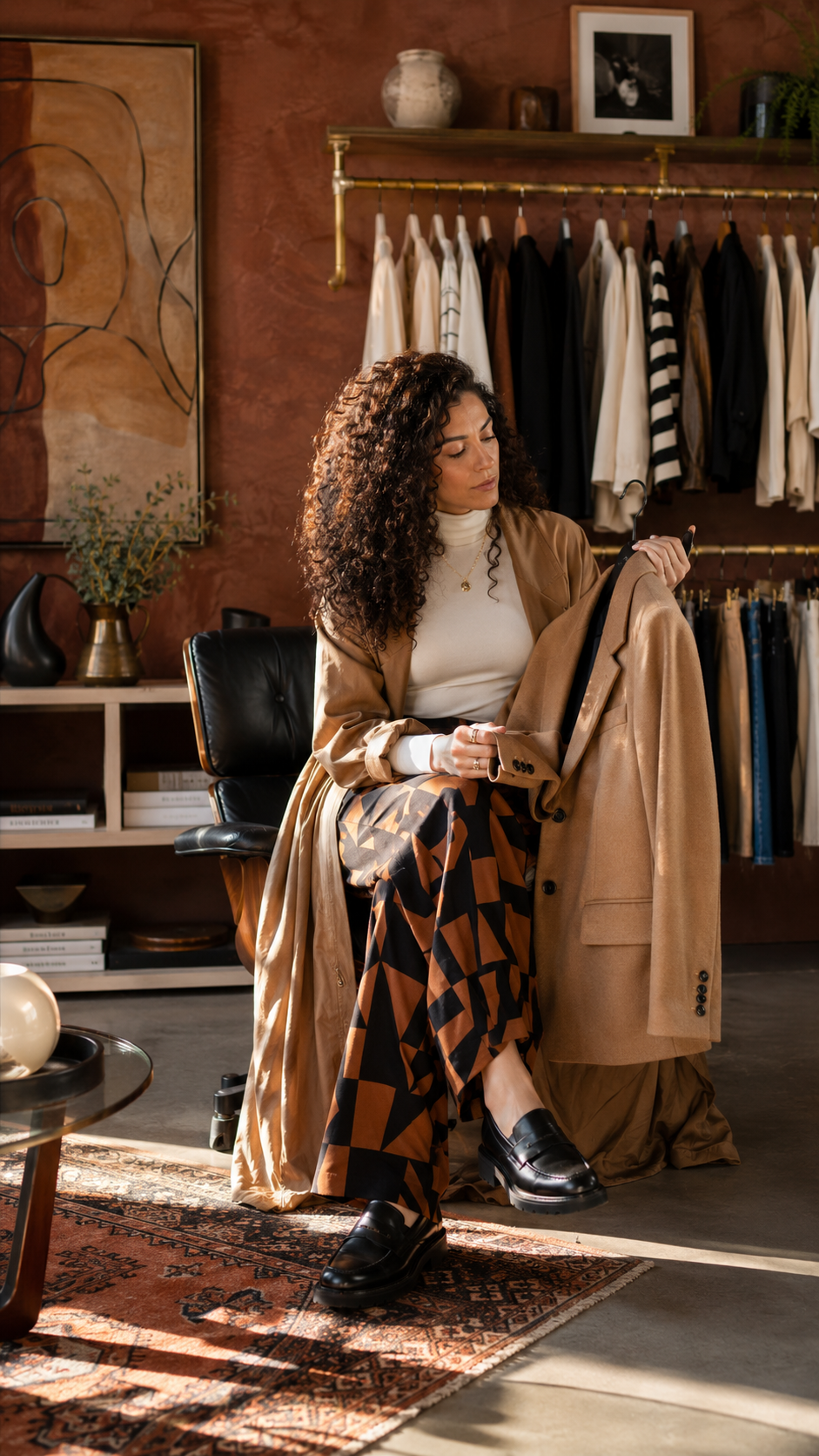
The second half of 2026 is expected to accelerate the natural fiber trend as consumer demand forces more brands to offer affordable linen, cotton, and tencel options. Footwear will continue moving toward comfort-first designs, with kitten heels and structured flats dominating evening and event categories that stilettos previously owned. The insights shared during New York Fashion Week 2026 confirmed that major designers are building their fall collections around the same principles of comfort, quality, and versatility that these ten trends represent.

Important Note: Trend awareness should inform purchasing decisions but never dictate them. The most valuable pieces in any wardrobe are the ones that align with your personal style, fit your body well, and serve your daily life, regardless of whether they appear on a trends list. Use these insights as a filter for future purchases rather than a mandate to replace what already works.
The women’s fashion trends quietly reshaping wardrobes in 2026 share a common thread: they all prioritize real-life wearability over visual impact alone. Invest in the shifts that match your lifestyle, phase out pieces that no longer serve you, and let your closet evolve at a pace that respects both your budget and the environment.