How to Apply Primer Makeup: A Step-by-Step Guide for Long-Lasting, Flawless Skin
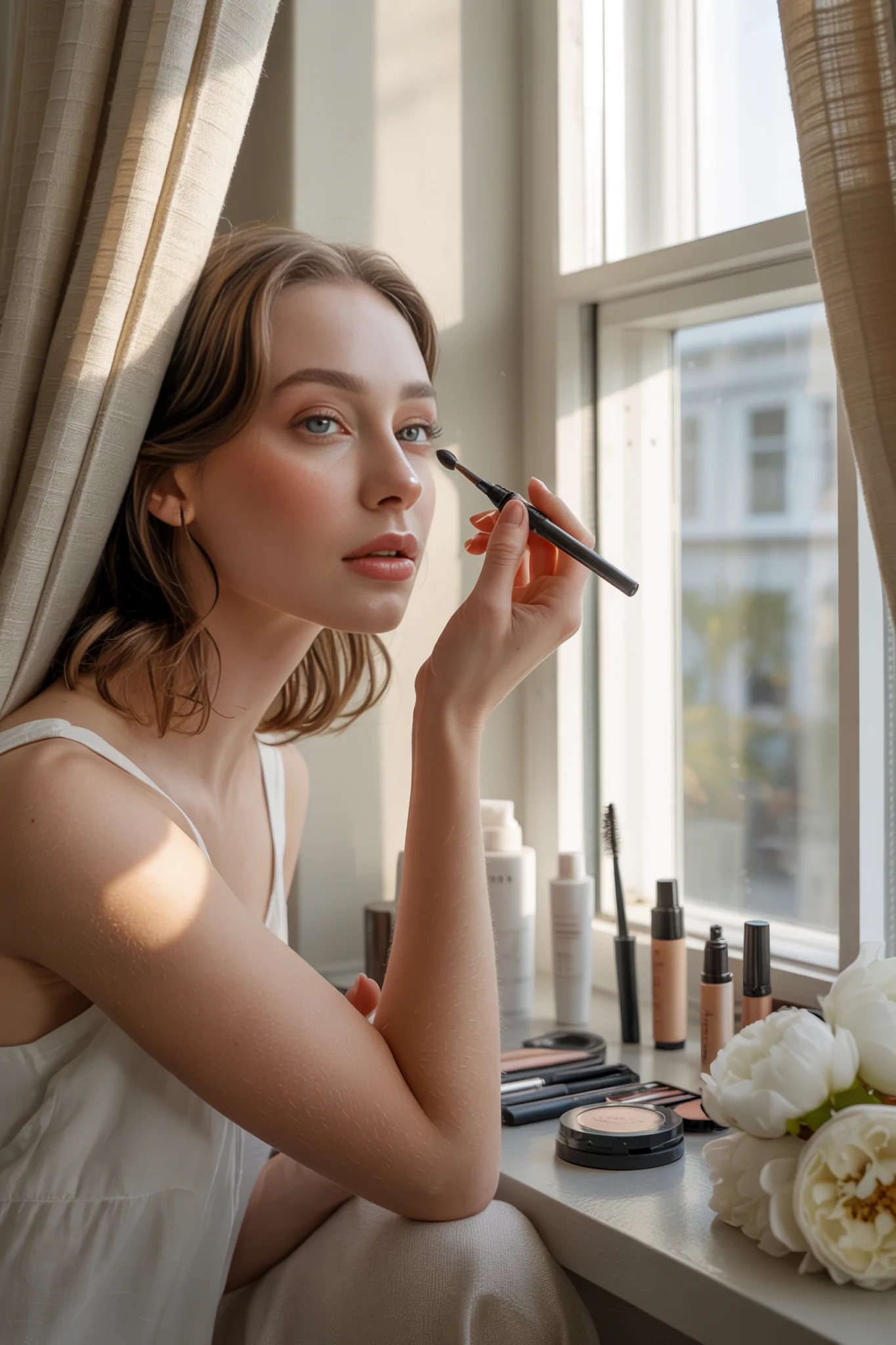
You spend twenty careful minutes on your makeup, walk out the door feeling great, and by noon your foundation has slid into your pores and your shine is back with a vengeance. That frustrating disappearing act almost always comes down to one skipped step: primer.
Primer is the unsung hero that bridges your skincare and makeup, creating a smooth, grippy canvas that keeps everything locked in place for hours. This step-by-step guide breaks down exactly what primer does, how to apply it, and how to choose the right one for your skin. For more foundational technique, this guide on how to apply foundation, concealer, and contour pairs perfectly with mastering your base.
Understanding Makeup Primer
Understanding Makeup Primer
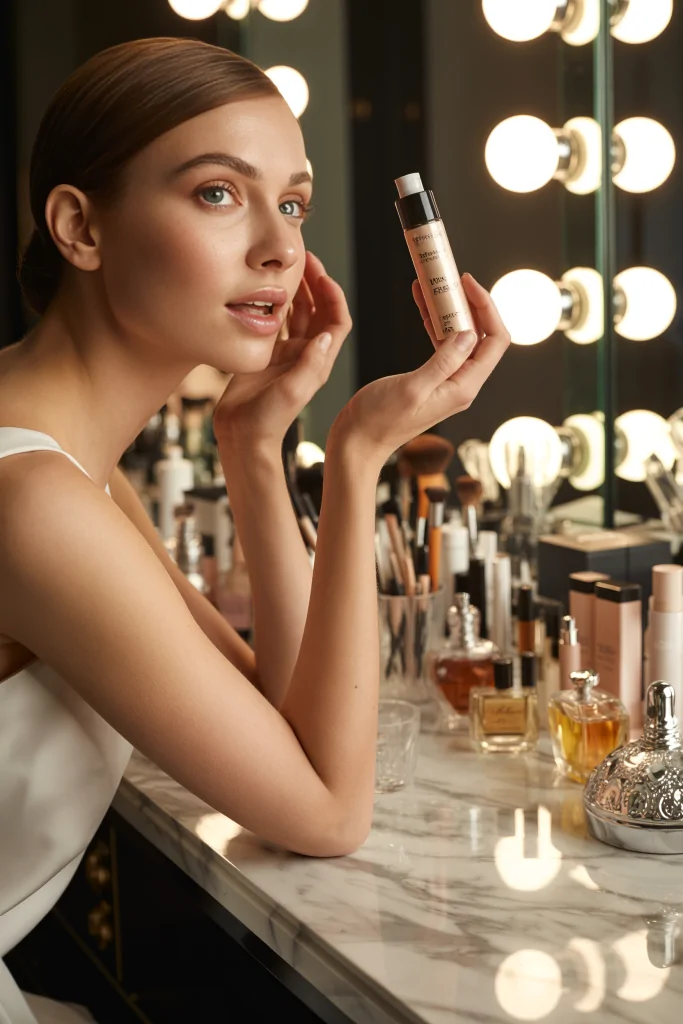
Primer sits between your skincare and foundation, acting as the crucial middle layer that makes everything above it perform better. Its job is to create an even, smooth surface while helping makeup adhere and last.
Think of primer like the base coat before nail polish or the undercoat before paint. Without it, foundation clings to dry patches, sinks into pores, and breaks down faster throughout the day. For a smooth skin foundation beforehand, this skincare routine guide covers the prep that primer builds on.
Did You Know: Most modern primers are silicone-based, using ingredients like dimethicone that fill in fine lines and pores by creating a microscopically smooth film, which is why makeup glides on so evenly over a primed surface.
What Is Primer Makeup
Primer is a cosmetic base product applied after skincare and before foundation. It comes in various formulas designed to smooth, hydrate, mattify, or add glow depending on your needs.
The formula creates a barrier that helps makeup grip and prevents it from being absorbed too quickly into the skin. This translates to longer wear and a more flawless finish. For a broader base overview, this makeup essentials guide covers the products every kit needs.
Pro Tip: Let your primer set for about sixty seconds before applying foundation; giving it a moment to grip the skin creates a tackier, more effective base than immediately layering foundation over wet primer.
Primer Benefits for a Flawless Makeup Base
Primer delivers several key benefits that transform how your makeup looks and lasts. It blurs pores and fine lines, controls oil or adds hydration, and extends wear time significantly.
Beyond longevity, primer creates a smoother application surface so foundation blends more evenly and requires less product. The result is a lighter, more natural finish. For flawless-skin inspiration, this glowing skin products guide covers radiant complexions.
Try This: Apply a small amount of illuminating primer only to the high points of your face, like cheekbones and brow bones, for a lit-from-within glow that shows through your foundation without full-face shine.
Types of Primers and Their Functions
Primers come in several formulas, each solving a specific concern. Understanding the differences helps you pick the right one for your skin and desired finish.
| Primer Type | Main Function | Best Skin Type |
|---|---|---|
| Mattifying | Controls oil and shine | Oily, combination |
| Hydrating | Adds moisture, smooths | Dry, mature |
| Blurring | Fills pores and lines | All, textured skin |
| Illuminating | Adds glow and radiance | Dull, normal to dry |
| Color-Correcting | Neutralizes redness or dullness | Uneven tone |
Choosing based on your primary concern ensures the primer supports rather than fights your skin. For more product guidance, this makeup kit essentials guide covers building a versatile kit.
Warning: Layering a silicone-based primer under a water-based foundation (or vice versa) can cause makeup to pill and roll off; match your primer and foundation bases for a smooth, long-lasting finish.
How to Apply Primer for Long-Lasting Makeup
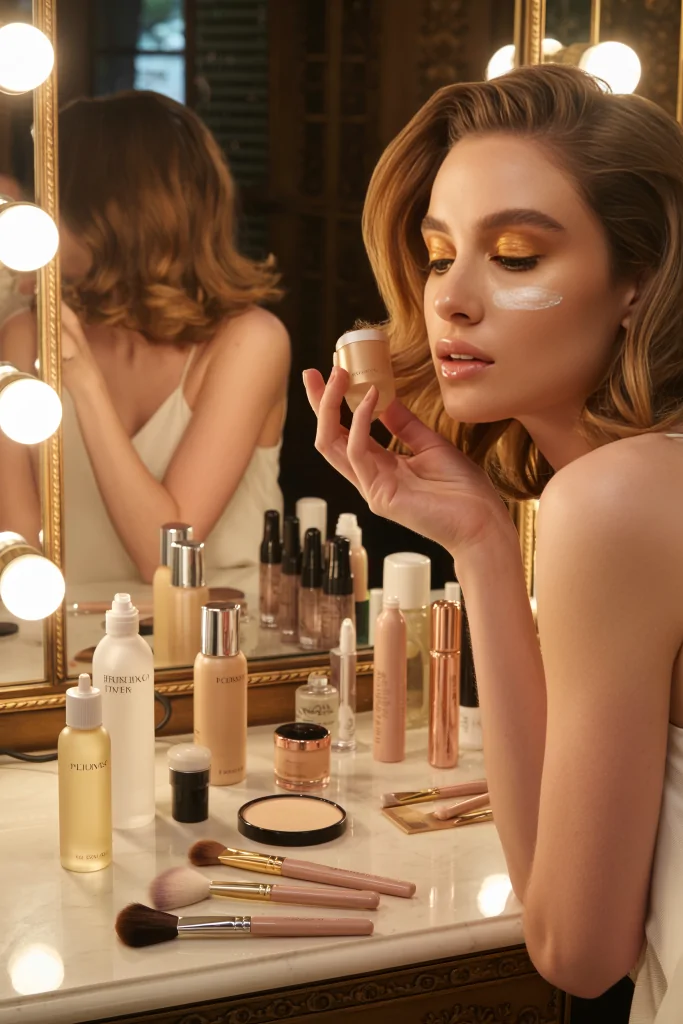
Applying primer correctly is simple but makes a major difference. After skincare, take a small amount and gently press and spread it across your face, focusing on areas where makeup tends to break down.
Concentrate primer on the T-zone, around the nose, and anywhere pores are visible. Let it set briefly before moving to foundation. This ensures your base grips properly and lasts through the day. For the next step, this foundation and concealer guide covers what comes after primer.
Common Mistake: Rubbing primer aggressively into the skin defeats its purpose; primer is meant to sit on top of the skin as a smoothing layer, so press and glide it gently rather than massaging it in like moisturizer.
Skin Preparation and Moisturizing
Primer works best on properly prepped skin. Cleansing and moisturizing beforehand creates the hydrated, smooth base that primer needs to perform.
Allowing your moisturizer to fully absorb before applying primer prevents pilling and ensures even application. Skipping this prep leads to patchy, short-lived makeup. For a complete prep routine, this skincare routine guide covers every step.
Important Note: Applying primer over moisturizer that has not fully absorbed causes both products to ball up and pill; wait three to five minutes after moisturizing so the skin is hydrated but not wet before priming.
Primer Application Methods
Primer can be applied with fingers, a brush, or a makeup sponge, each offering a slightly different finish. Fingers use body heat to melt the product into skin for seamless blending.
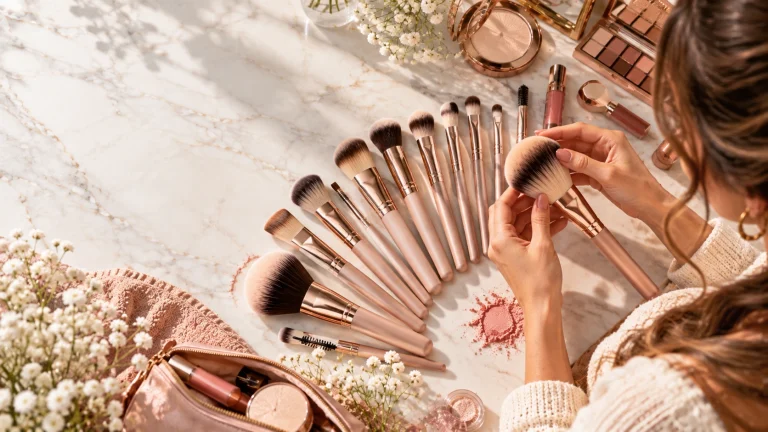
A brush provides precise, even coverage, while a damp sponge presses primer in for a natural finish. Choosing your method depends on preference and the primer’s texture. For tool guidance, this makeup brush sets guide covers quality options.
Pro Tip: Use your fingertips to apply primer around the nose and other textured areas; the warmth from your fingers helps the product melt into creases and pores more effectively than a brush or sponge can.
Proper Primer Quantity and Coverage
A little primer goes a long way, and using too much can cause makeup to slide or pill. A pea-sized amount is typically enough for the entire face.
Focus coverage on problem areas rather than caking the whole face in product. Building up gradually where needed prevents waste and application issues. For more base-building tips, this makeup bag essentials guide covers everyday must-haves.
Warning: Applying too much primer creates a slippery surface that actually causes foundation to slide off faster rather than last longer; more product does not mean more staying power, so use a light hand.
Choosing the Right Primer for Your Needs
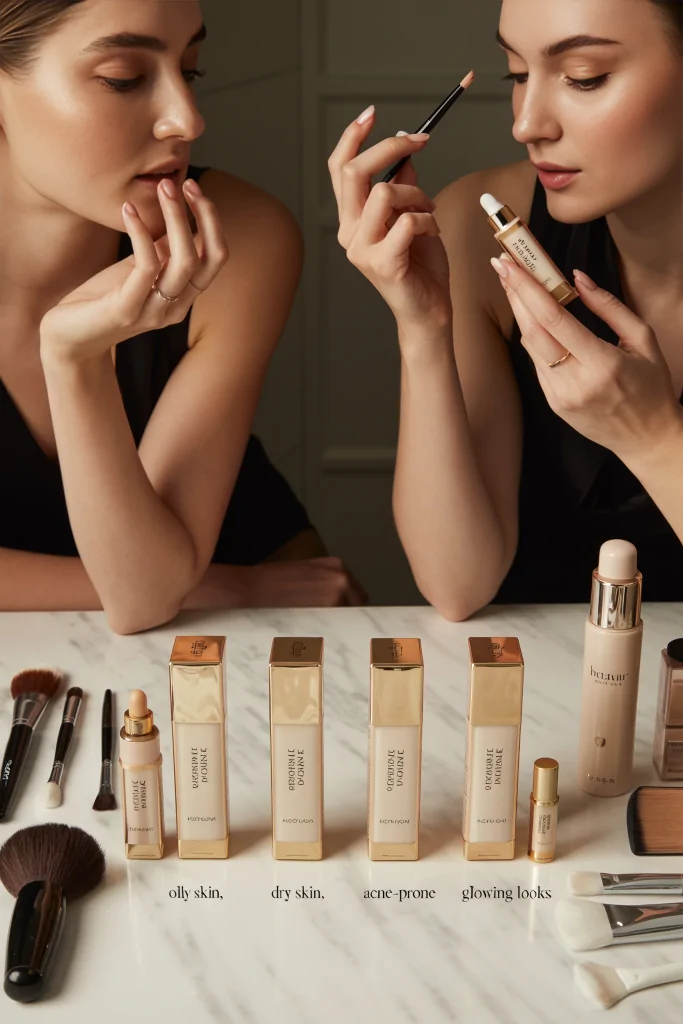
Selecting the right primer starts with identifying your main goal, whether that is longevity, oil control, glow, or pore-blurring. Your desired finish narrows the options considerably.
Considering both your skin type and the look you want ensures the primer enhances rather than works against your makeup. Testing a few helps you find your match. For wedding-ready looks, this wedding makeup trends guide covers long-lasting bases.
Try This: Test a new primer by wearing it on just half your face for a full day; comparing how your makeup holds up on the primed versus unprimed side reveals exactly how well the formula works for your skin.
Selecting Primer Based on Skin Type
Your skin type is the biggest factor in choosing a primer. Oily skin benefits from mattifying formulas, while dry skin needs hydrating primers that smooth without emphasizing flakiness.
Combination skin often works best with a blurring primer or targeted application of different formulas. Sensitive skin should look for fragrance-free, gentle options. For sensitive skin guidance, this sensitive skin routine guide covers gentle ingredients.
Common Mistake: Using a mattifying primer on already dry skin emphasizes flakes and fine lines, making the skin look more textured; match the primer’s finish to your skin’s needs rather than defaulting to whatever is popular.
Matching Primer with Foundation
Pairing your primer and foundation correctly prevents pilling and ensures a seamless finish. The key is matching their bases, either both silicone or both water-based.
When the formulas are compatible, they layer smoothly and last longer. Mismatched bases cause makeup to separate and roll off. For foundation technique, this foundation and contour guide covers flawless application.
Did You Know: Silicone and water repel each other at a molecular level, which is exactly why a water-based foundation refuses to sit smoothly over a silicone primer, causing the pilling and rolling many people experience.
Addressing Specific Skin Concerns
Primers can target specific concerns beyond smoothing. Color-correcting primers neutralize redness with green tones or dullness with peach and lavender shades.
Pore-blurring primers minimize texture, while hydrating formulas plump fine lines. Choosing a concern-specific primer adds treatment benefits to your base. For radiant-skin inspiration, this Korean skincare secrets guide covers complexion-perfecting methods.
Pro Tip: Apply color-correcting primer only where needed rather than all over; dab green primer just on red areas like the nose or blemishes, then use your regular primer everywhere else for balanced, natural-looking correction.
Specialty Primers: Eyes, Lips, and Lashes
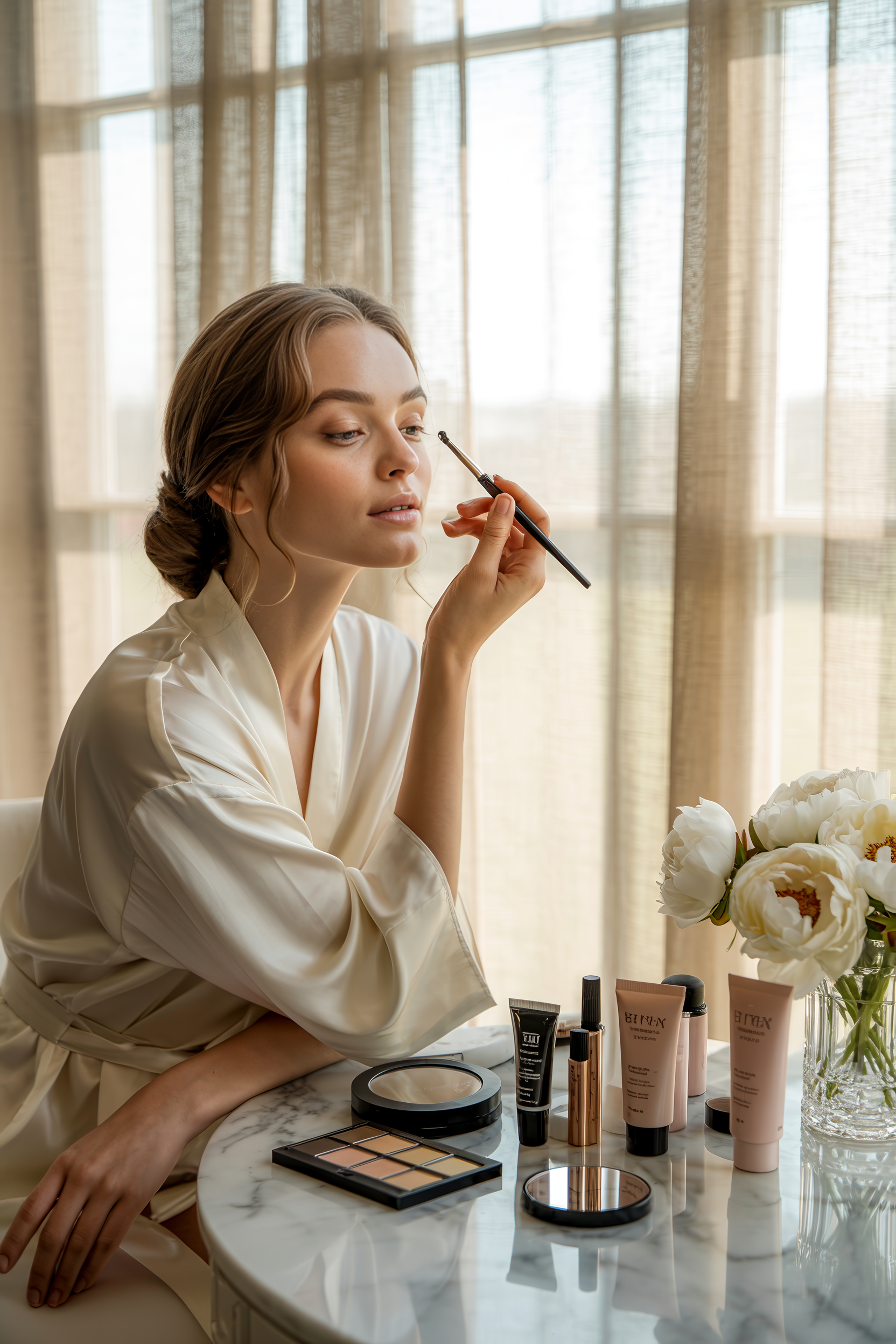
Beyond face primer, specialty primers exist for the eyes, lips, and lashes. Each is formulated to extend the wear and enhance the appearance of makeup in those specific areas.
These targeted primers solve common issues like creasing eyeshadow, feathering lipstick, and flat lashes. Adding them elevates your whole look’s longevity. For eye-focused inspiration, this eye makeup ideas guide covers looks that last with primer.
Try This: Keep a travel-size eye primer in your bag for touch-ups; a quick swipe over the lid before reapplying eyeshadow midday refreshes the base and prevents the creasing that ruins long-wear eye looks.
Using Eye Primer and Eyeshadow Primer
Eye primer creates a smooth, grippy base that makes eyeshadow last all day without creasing or fading. It also intensifies pigment payoff.
Apply a thin layer across the lid and let it set before adding shadow. This prevents oils from breaking down your eye makeup. For eyeshadow technique, this eyeshadow application guide covers pro methods.
Important Note: A little eye primer goes a long way, and applying too much creates a tacky surface that grabs shadow unevenly; use a thin, even layer and let it set to a slightly matte finish before applying color.
Applying Lash Primer for Enhanced Lashes
Lash primer is a white or tinted base applied before mascara to add volume, length, and hold. It coats each lash to create a thicker foundation for mascara to cling to.
Apply lash primer from root to tip, then follow immediately with mascara while the primer is still slightly damp. This maximizes volume and curl retention. For more eye looks, this eyeshadow ideas guide covers elevated styles.
Warning: Letting lash primer dry completely before applying mascara causes clumping and flaking; always layer mascara over slightly damp primer so the two products bond smoothly for a clean, volumized result.
Lip Primer for Long-Lasting Lip Color
Lip primer smooths and preps the lips so lipstick applies evenly and lasts longer. It also prevents feathering and keeps color from bleeding outside the lip line.
Apply a thin layer, let it set, then apply your lip color as usual. This creates a longer-wearing, more polished lip. For a complete makeup kit, this makeup essentials guide covers must-have products.
Common Mistake: Skipping exfoliation before lip primer leaves dry flakes that show through lipstick; gently buff your lips with a soft toothbrush or lip scrub first so the primer and color apply smoothly over a soft surface.
How Long to Wait Between Primer and Foundation
Timing matters when layering primer and foundation. Waiting about sixty seconds after applying primer lets it set into a tacky, grippy base that holds foundation better.
Rushing to apply foundation over wet primer causes the two to mix and slide, reducing longevity. This brief pause makes a noticeable difference in wear time. For base-layering guidance, this concealer application guide covers the full sequence.
Pro Tip: Use the sixty-second primer set time to do something else, like your brows or curling your lashes; this multitasking ensures the primer grips properly without you feeling like you are wasting time waiting.
Common Primer Mistakes to Avoid
Several common errors undermine primer’s benefits. Using too much product, mismatching bases, and applying primer over unabsorbed moisturizer all cause pilling and reduced wear.
Skipping the set time or rubbing primer in aggressively also compromises the smooth base. Avoiding these mistakes ensures your primer performs as intended. For more flawless-base tips, this makeup kit essentials guide covers foundational products.
Did You Know: Primer has a shelf life, and using an expired silicone primer can cause it to separate and pill regardless of your technique; most primers last around twelve to eighteen months after opening before the formula degrades.
Building a Complete Base Routine with Primer
Primer is one piece of a complete base routine that includes skincare, primer, foundation, and setting products. Each layer supports the next for a lasting, flawless finish.
Following the correct order, from thinnest to thickest textures, ensures everything applies smoothly and wears well. A cohesive routine transforms your makeup’s longevity. For the full picture, this foundation and contour guide covers building a professional base.
Try This: Set your primed and foundation-covered base with a light mist of setting spray rather than heavy powder; the spray melds the layers together for a natural, long-lasting finish without the cakey look that too much powder creates.
Primer is the small step that makes the biggest difference between makeup that fades by noon and a look that lasts all day. Choose the right formula for your skin, apply it with a light hand, and enjoy the smooth, flawless, long-wearing base that proper priming delivers.